Two new studies reveal that cannabinoids stop the growth of colon cancer cells

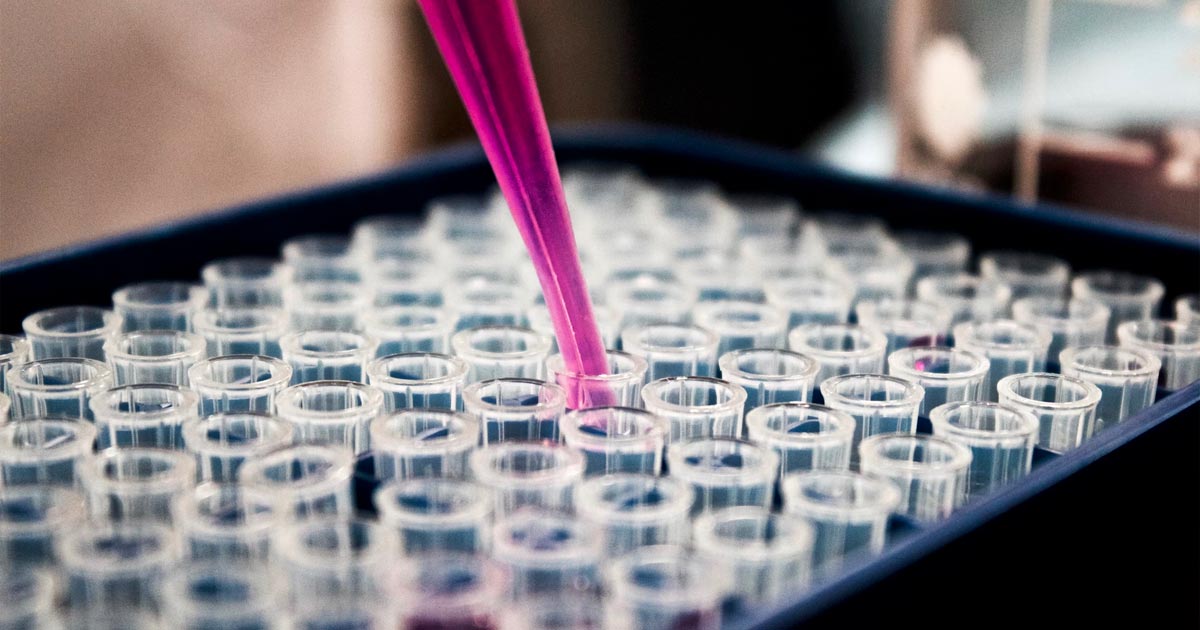
Two promising new studies have revealed that certain cannabinoids—including CBD, CBDV, the CBG, the CBGV and the CBL – can stop the growth of cancer cells harmful colorectal diseases in humans.
Cannabotech's colon study eliminates 90% of cancer cells
A new product set to launch in the United States, the United Kingdom, and Israel in the fall of 2022 has been shown to eliminate more than 90% of colon cancer cells in a cell model. The product, called Cannabotech Integrative-Colon, used a combination of non-psychoactive mushrooms (i.e., not psilocybin) and various cannabinoids (excluding THC) to target colorectal cancer cells, although it is not yet clear exactly which ones.
«THC was not included,» officials said of the study, Drs. Angel and Peretz. «The key ingredients were CBD and several other minor cannabinoids. We cannot disclose their names or composition, as this is proprietary information.»
The company has decided not to consider the effect THC would have, highlighting the challenges related to its accessibility and regulation.
«We have not studied the THC »and therefore cannot comment on its potential effects in this experimental setting,« they explain. »We deliberately excluded THC from the product because it is the key psychoactive ingredient in cannabis, and we wanted to avoid that effect in our formulation. All the minor cannabinoids used are known, and their use poses no regulatory issues.”
Cannabotech hopes to turn this into a peer-reviewed study in the future.
«We are only at the beginning of our process and are reporting our results in several types of colorectal cancer cell lines. We plan to expand these studies to include in vivo »and finally publish them in a peer-reviewed journal,” explained Drs. Angel and Peretz.
A second study reveals that cannabinoids may inhibit the growth of cancer cells in humans
A second study A study recently published by scientists in the Department of Nutrition and Food Science at the University of Maryland revealed that cannabidiol exhibits «anti-proliferative activity» in colorectal cancer cells. Simply put, CBD stops the growth of cancer cells.
The study states that it has three main findings: «CBD inhibits the viability of human colorectal cancer cells; CBD induces cell cycle arrest and increases apoptosis “and ER stress in human colorectal cancer cells; and CBD suppresses cell viability and induces apoptotic cell death via a CB2-dependent mechanism.”.
The cannabinoid receptor 2, part of our endocannabinoid system, is the receptor where this effect was observed. This means that our CB1 receptors may not indicate the same effect—namely, the 'anti-proliferation» of these cancer cells in humans.
«Our data suggest that CBD and its derivatives may be promising agents for the prevention of human colorectal cancer,» the study’s researchers write.
According to the study, this «anti-proliferative activity» has also been observed in other cannabinoids, including cannabidivarin (CBDV), cannabigerol (CBG), cannabicyclol (CBL), and cannabigerovarin (CBGV).
A A 2018 study had already yielded results promising findings regarding the role of cannabinoids in colon cancer.






















«Vincy Gold»: Humboldt Seed Company on the Hunt for Saint Vincent Sativas

Cronos Completes the Acquisition of CanAdelaar for 57.5 million euros

Cannabis with a "bloody" twist: Discover Sensi True Blood and Sensi Sangria, the two new strains from Sensi Seeds

Hemp: The Council of the EU Takes a Stand on New Production and Marketing Rules

Missouri's legal cannabis market accounts for 93 % of consumer spending

THC Gummies: How to Read a Certificate of Analysis Before Buying

British patients now have access to THCV-rich cannabis flowers

Spain: Medical Cannabis Is Coming to About 50 Hospitals

JIHE 2026: Japan’s Largest Trade Show Dedicated to Hemp and CBD Returns to Tokyo with More Than 100 Industry Players

New Caledonia: The Courts Clear the Way for the Return of CBD
-
 Business3 weeks ago
The legal cannabis market in New York exceeds 4 billion $ in revenue
-
Cannabis in France1 week ago
France already has 3,000 cannabis retail outlets. None of them are legal.
-
Cannabis in the U.S.1 week ago
A DEA report confirms that there are no fatal cannabis overdoses
-

 Cannabis and driving4 weeks ago
Medical Cannabis and Driving: New South Wales Ends Automatic Penalties for THC
-
Cannabis in France3 weeks ago
France’s Drug Policy Chief Defends Cannabis Prohibition... and Runs Into the Facts
-
Studies on cannabis2 weeks ago
Cannabis Oil and Endometriosis: A Promising Study for Pain Relief
-
CBD3 weeks ago
In Brazil, researchers are developing an innovative CBD eye drop
-
Autism4 weeks ago
Autism and Cannabis: Results from the First Placebo-Controlled Trial of NTI164
















You must be logged in to post a comment Login