The role of THC in improving palliative cancer care: A German study

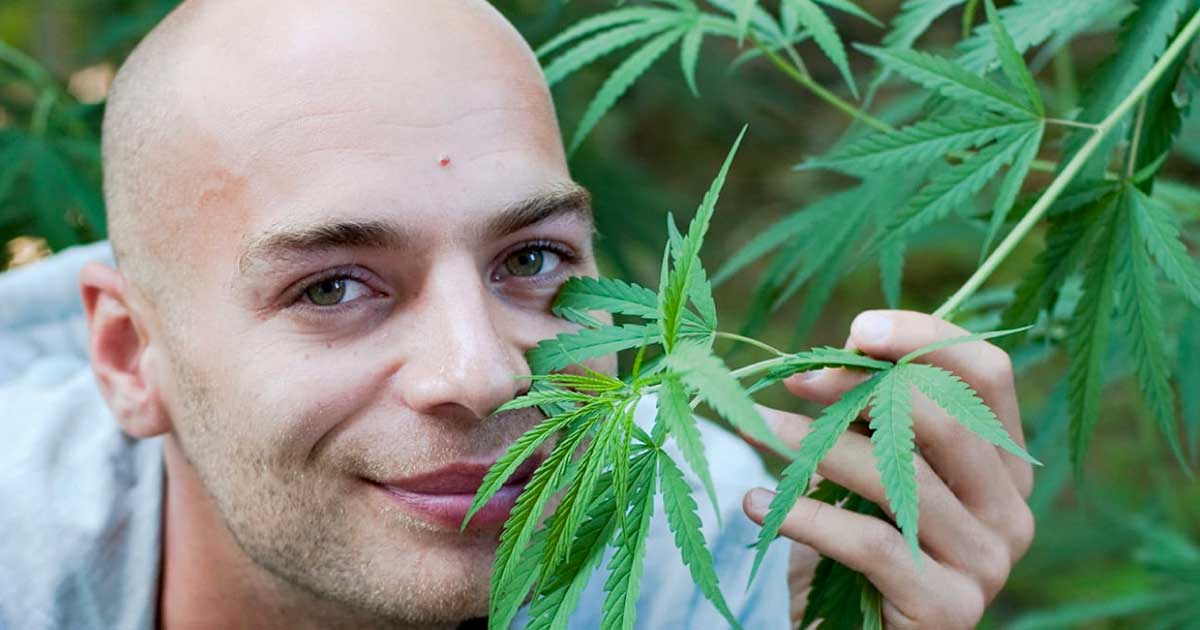
German researchers have discovered that tetrahydrocannabinol (THC)) can not only extend the survival time of palliative cancer patients, but also considerably improve their quality of life.
This discovery is particularly relevant for those involved in the palliative care, where the emphasis is on symptom and stress relief related to a serious illness.
Understanding THC and its therapeutic potential
The THC is mainly known for its intoxicating effects, which are partly responsible for the recreational effects of cannabis. It also possesses therapeutic properties that can prove beneficial in the treatment of various pathologies. With the widespread use of medical marijuana, THC is increasingly prescribed to patients in the palliative phase to help them to managing sleep disorders, loss of appetite, anxiety, stress and pain.
Study design and results
The study analyzed 9,419 patients with a survival time of at least seven days after inclusion in a specialized outpatient palliative care program. These patients were divided into three groups according to their dose of THC :
- THC-free
- Low-dose THC (≤4.7 mg per day)
- Higher doses of THC (≥4.7 mg per day)
The results showed that the survival time was significantly prolonged in patients receiving higher doses of THC. Specifically, patients in cohort 2, a subgroup with a survival time of between 7 and 100 days, saw their survival time increase by 15 days (40 days vs. 25 days) when prescribed more than 4.7 mg THC per day.
The study, published in Medical Cannabis and Cannabinoids, The researchers also observed that THC-treated patients were more mentally and physically active. According to the researchers, these extra days could be important for patients and their families, especially if accompanied by a good quality of life. As the researchers point out, «the increased activity and improved quality of life could enable patients to renew social contacts with family and friends and to settle essential matters before dying».
Limits and wider implications
Although the results are promising, the researchers acknowledged several limitations to their study, which are detailed in the publication. It's also important to note that despite the growing body of evidence supporting the use of THC in palliative care, healthcare professionals still lack in-depth knowledge.
A recent survey revealed that a majority of hospice and palliative medicine professionals feel insufficiently informed about the’using medical cannabis. Some respondents even felt that the cannabis was just as effective, This is even more effective than conventional treatments for symptoms such as anorexia/cachexia, nausea/vomiting and pain.
Patient experience and wider acceptance
This study is in line with previous research, including a 2018 study in which 95.9 % of cancer patients surveyed reported an improvement in their condition thanks to the use of medical cannabis. This result is all the more remarkable given that more than half the participants were in stage IV cancer, considered incurable.





















JIHE 2026: Japan’s Largest Trade Show Dedicated to Hemp and CBD Returns to Tokyo with More Than 100 Industry Players
New Caledonia: The Courts Clear the Way for the Return of CBD

The Brazilian medical cannabis market continues to grow

Morocco: Three Cannabis-Based Medications Approved for the Treatment of Epilepsy

Canopy Growth Receives New EU-GMP Certification to Strengthen Its Presence in Europe

Three years after legalizing medical cannabis, Albania continues to establish regulations for it

The first plant-based medical THC spray arrives in the United Kingdom

Medical Cannabis in Germany: THC Prices Vary by a Factor of 12

France already has 3,000 cannabis retail outlets. None of them are legal.

Morocco's exports of legal cannabis have expanded to 15 countries
-
 Business2 weeks ago
The legal cannabis market in New York exceeds 4 billion $ in revenue
-

 Cannabis in France4 weeks ago
Which countries legalized medical cannabis before France?
-
Business4 weeks ago
South Korea is preparing to begin local production of medical cannabis to meet rising demand
-
Cannabis in France4 days ago
France already has 3,000 cannabis retail outlets. None of them are legal.
-
Cannabis in Thailand4 weeks ago
From the boom in dispensaries to a purely medical approach: Thailand is revising its cannabis policy
-
Cannabis in the U.S.5 days ago
A DEA report confirms that there are no fatal cannabis overdoses
-
Cannabis and driving3 weeks ago
Medical Cannabis and Driving: New South Wales Ends Automatic Penalties for THC
-
Cannabis in France3 weeks ago
France’s Drug Policy Chief Defends Cannabis Prohibition... and Runs Into the Facts
















You must be logged in to post a comment Login