Some minor phytocannabinoids show promise against Parkinson's and Alzheimer's diseases, says study

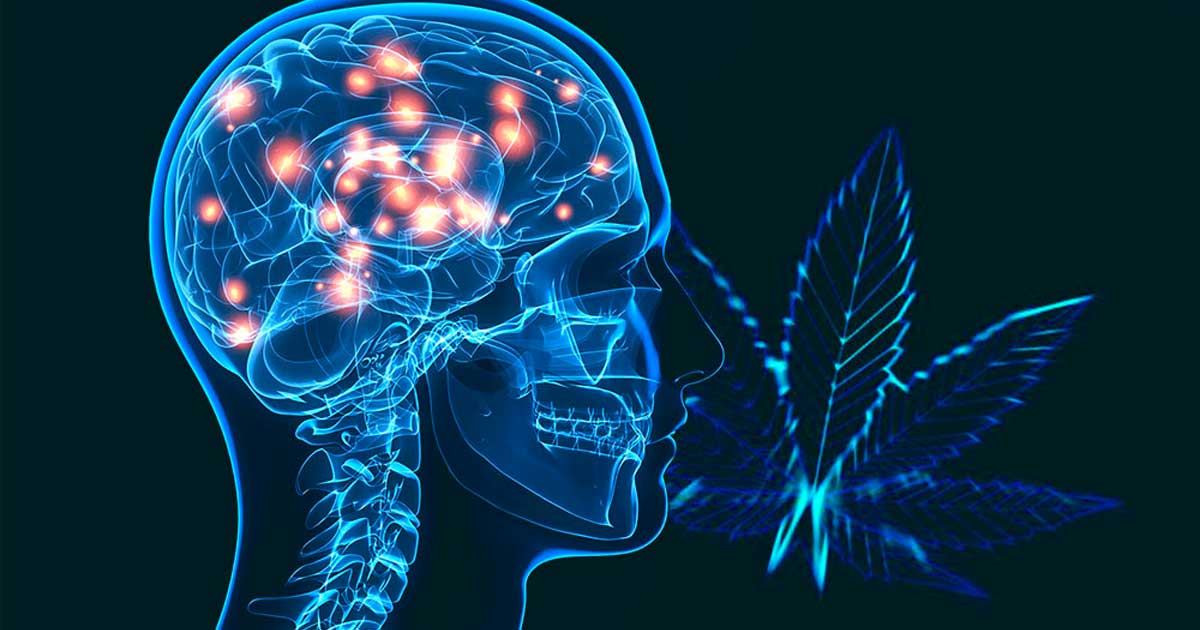
Recent studies on cannabis are focusing more and more on cannabinoids other than THC and the CBD.
A new review of studies now shows that lesser-known phytocannabinoids as the CBG (cannabigerol), the THCV (tetrahydrocannabivarin), the CBDV (cannabidivarin) and the CBN (cannabinol), are highly promising for the treatment of a wide range of neurological disorders.
From the Parkinson's disease and’Alzheimer to the’epilepsy and multiple sclerosis, these compounds are revealing their therapeutic potential thanks to their antioxidants, anti-inflammatories and neuromodulators.
New interest in minor phytocannabinoids
Historically, the conversation about cannabis has been dominated by the THC and the CBD due to their abundance in the plant and their widely-studied effects. However, a growing number of studies are now focusing on therapeutic benefits from minor cannabinoids, compounds present in lower concentrations in the cannabis plant, but with significant medical potential.
According to a recent study by researchers from Nathan Kline Institute for Psychiatric Research, lesser-known cannabinoids such as CBG, the CBDV and the THCV could play an essential role in the neuroprotection.
The study, published on Preprints.org, examined how these cannabinoids could help manage illnesses such as Alzheimer's disease, Parkinson's disease, Huntington's disease and theepilepsy. The researchers discovered that these compounds neuroprotective functions thanks to their ability to reduce oxidative stress, to reduce’inflammation and modulate the immune system.
«Their antioxidant, anti-inflammatory and neuromodulatory effects make them promising agents in the treatment of neurodegenerative disorders,» says the report, which highlights the untapped potential of these non-psychotropic minor phytocannabinoids. The study points out that, despite extensive research into THC's neuroprotective effects, the minor cannabinoids remain largely unexplored.
Promising therapeutic applications for neurodegenerative diseases
The therapeutic potential of these lesser-known cannabinoids go far beyond simple symptom management; they also hold promise for preventing or slowing the progression of neurodegenerative diseases.
The Parkinson's disease, for example, is characterized by the gradual loss of dopaminergic neurons in the brain, leading to motor dysfunction. Research indicates that CBG has neuroprotective effects that could potentially slow down the deterioration of these neurons, raising the prospect of treatments more efficient against Parkinson's disease.
Similarly, the THCV and the CBDV have shown promise in managing the progression of Alzheimer's disease. ‘Alzheimer, a condition that affects millions of people worldwide. These cannabinoids appear to reduce inflammation in the brain and combat the accumulation of beta-amyloid plaques, The use of these drugs is a key factor in the pathology of Alzheimer's disease. They are therefore potential complements or alternatives to traditional treatments for Alzheimer's disease, which often have limited efficacy and significant side effects.
The Center for Dementia Research from Nathan Kline Institute is optimistic about the therapeutic potential of these less-studied cannabinoids. In their report, the authors point out that research into the effects of cannabis should extend beyond the CBD.
«The therapeutic potential of Cannabis extends far beyond the widely studied CBD, encompassing a diverse range of phytocannabinoids that show promise in the treatment of various neurological disorders,» says the report.
Cannabinoids for epilepsy and other neurological disorders
Epilepsy is another field in which minor cannabinoids are promising in therapeutic terms. Visit CBD has already made headlines for its effectiveness in the treatment of rare forms of epilepsy, such as Dravet syndrome and the Lennox-Gastaut syndrome, but recent studies indicate that CBDV could also offer advantages.
CBDV shares many of the same anti-epileptic properties CBD, But it could interact with different pathways in the brain, offering a new treatment route.
In fact, a separate study showed that patients using complete extracts of CBD, products, as opposed to Purified CBD, This discovery already underlined the importance of taking into account the ’health' of the patient. This discovery already underlined the importance of taking the’entourage effect - the synergistic relationship between cannabinoids, terpenes and other compounds in the cannabis plant.
The entourage effect: Revealing the full therapeutic potential of cannabis
One of the main conclusions of the recent wave of research on cannabis components is the concept of the’entourage effect. This phenomenon occurs when several cannabinoids, terpenes and flavonoids act together to create therapeutic effects that exceed what an individual compound can achieve alone. As published by’International Journal of Molecular Sciences earlier this year, «the Cannabis plant exhibits an effect known as the “entourage effect”, in which the combined actions of terpenes and phytocannabinoids produce effects that exceed the sum of their separate contributions».
Although the terpenes have long been considered responsible for the distinctive aroma of cannabis strains, their potential medical effects are becoming increasingly clear. Recent studies suggest that terpenes can have properties analgesics, anti-inflammatories and anxiolytics, The new generation of cannabinoids, reinforcing the efficacy of cannabinoids in the management of conditions such as chronic pain and theanxiety.
For example, a federally funded study published in May revealed that terpenes could be effective in the treatment of chronic neuropathic pain. When used, terpenes produce a morphine-like reduction in pain markers, but without the addictive or dysphoric side effects usually associated with opioids. Terpenes are therefore potential alternatives to opioid-based treatments, whose dependence and abuse have been widespread.
Cannabinoids and cancer: a growing field of interest
In addition to their properties neuroprotective and anti-inflammatories, minor cannabinoids are also being studied for their anti-cancer effects potential. A study published in BioFactors examined the impact of CBG, from CBN, from CBC and CBDV on the multiple myeloma (MM), a type of blood cancer.
The researchers found that these cannabinoids had cytotoxic effects on MM cell lines, the CBN showing particular promise in preclinical mouse models. «Taken together, our results suggest that CBG, CBC, CBN and CBDV may be promising anticancer agents for MM,» the study concludes, noting their ability to inhibit cancer cell invasion in the bone tissue.























«Vincy Gold»: Humboldt Seed Company on the Hunt for Saint Vincent Sativas

Cronos Completes the Acquisition of CanAdelaar for 57.5 million euros

Cannabis with a "bloody" twist: Discover Sensi True Blood and Sensi Sangria, the two new strains from Sensi Seeds

Hemp: The Council of the EU Takes a Stand on New Production and Marketing Rules

Missouri's legal cannabis market accounts for 93 % of consumer spending

THC Gummies: How to Read a Certificate of Analysis Before Buying

British patients now have access to THCV-rich cannabis flowers

Spain: Medical Cannabis Is Coming to About 50 Hospitals

JIHE 2026: Japan’s Largest Trade Show Dedicated to Hemp and CBD Returns to Tokyo with More Than 100 Industry Players

New Caledonia: The Courts Clear the Way for the Return of CBD
-
 Business3 weeks ago
The legal cannabis market in New York exceeds 4 billion $ in revenue
-

 Cannabis in France4 weeks ago
Which countries legalized medical cannabis before France?
-
Cannabis in France1 week ago
France already has 3,000 cannabis retail outlets. None of them are legal.
-
Business4 weeks ago
South Korea is preparing to begin local production of medical cannabis to meet rising demand
-
Cannabis in the U.S.1 week ago
A DEA report confirms that there are no fatal cannabis overdoses
-
Cannabis in Thailand4 weeks ago
From the boom in dispensaries to a purely medical approach: Thailand is revising its cannabis policy
-
Cannabis and driving4 weeks ago
Medical Cannabis and Driving: New South Wales Ends Automatic Penalties for THC
-
Cannabis in France3 weeks ago
France’s Drug Policy Chief Defends Cannabis Prohibition... and Runs Into the Facts

















You must be logged in to post a comment Login