Decriminalization of cannabis in Georgia has not increased consumption


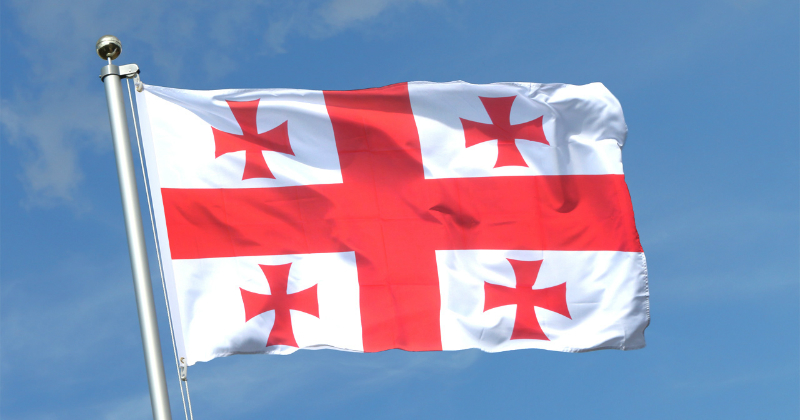
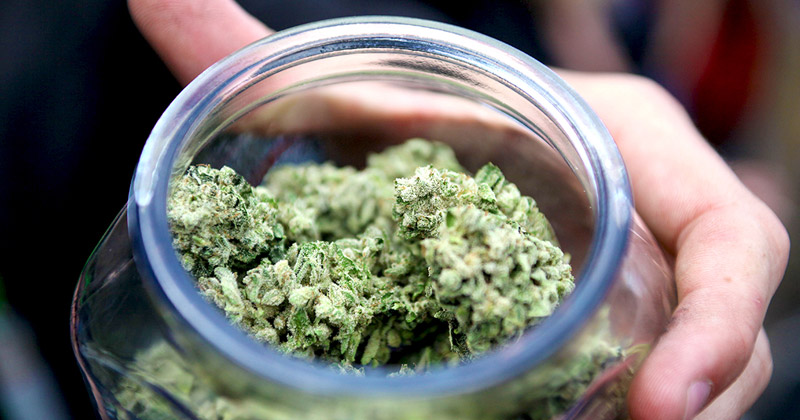
In 2018, Georgia - the European country - has decriminalized cannabis possession and legalized its use. This decision, taken following a ruling by the Constitutional Court, made Georgia unique in the region.
The sale and distribution of cannabis remains illegal, and consumption is prohibited for people under the age of 21. A recent study examines the effects of this change.
Study design and main findings
The study used a repeated cross-sectional design, collecting data in 2015 (pre-legalization) and 2022 (post-legalization). This approach made it possible to compare trends in cannabis use over time, focusing on young adults aged 18 to 29.
According to the results, there was a slight increase in cannabis use after legalization, although this increase was not statistically significant. The researchers suggest that this increase may reflect a greater willingness on the part of respondents to disclose their cannabis use due to reduced stigma, rather than an actual increase in consumption.
Despite the change in policy, there is no clear indication that access to cannabis has become easier for young adults. However, respondents did have the impression that cannabis had become more accessible after 2018. This discrepancy between perceived and actual ease of access highlights the complexity of understanding the effects of cannabis policy reform.
Cannabis use among young Georgians
The study also revealed that cannabis use among young adults in Georgia was more widespread than in the general population, echoing trends observed in other European countries. In 2022, the prevalence of cannabis use in the last twelve months among young adults (8.5 %) was comparable to the European average of 8 % for all age groups, although lower than the average for people aged 15-34 (15.1 %). In addition, past-month cannabis use (4.1%) was below the European average for 15-24 year-olds (9.6 %).
Prior to legalization, young Georgians generally started consuming cannabis at around 18, but this age rose to 19 after legalization. This delay in initiation may have mitigated the potential negative effects of cannabis use on educational attainment, particularly in high school, a trend not observed in other countries such as the USA.
Gender differences and stigmatization
The study highlighted a significant gender gap in cannabis use, with men reporting higher rates of use and starting to use cannabis earlier than women.
This finding is in line with more general European trends, where cannabis use is generally more widespread among men.
However, the researchers also highlighted the high levels of stigma surrounding cannabis use among women in Georgia, which may have contributed to under-reporting in this group. The issue of stigma, particularly its role in changing cannabis use patterns among women, requires further research to fully understand its impact.
Comparison with other countries
Compared to other countries with similar cannabis policies, rates of cannabis consumption in Georgia are relatively low. For example, cannabis consumption rates over the past year in Georgia were similar to those in countries such as Cyprus, Latvia and Lithuania, where cannabis consumption remains illegal and can lead to incarceration.
Despite Georgia's more liberal policy, its cannabis consumption rates have remained stable, suggesting that the legalization of use has not led to a significant increase in consumption.
Studies carried out in the United States and Canada - where cannabis use was already more widespread before legalization - point in the same direction.
For example, a Californian study showed no significant change in cannabis use among young adults after legalization, while the Canadian data showed a reduction in consumption among frequent cannabis users after legalization.
Public health implications and future research
One of the main findings of the study is that cannabis liberalization in Georgia has not led to widespread public health problems The relatively low frequency of cannabis use among young adults, which remained stable after 2018, suggests that cannabis-related health problems have not become a major concern.
However, researchers warn that the public health consequences of this policy change may take longer to materialize. Further research is needed to explore the potential long-term effects on mental health, emergency care and substance use disorders.
The study also found a reduction in smoking and the use of other illicit substances among the same population. This finding is in line with international data, which remains divided on whether cannabis legalization leads to an increase or decrease in the use of other substances. In the case of Georgia, the decrease in the consumption of other substances could be linked to the increase in drug prices, although this hypothesis requires further investigation.







Cronos Completes the Acquisition of CanAdelaar for 57.5 million euros

Cannabis with a "bloody" twist: Discover Sensi True Blood and Sensi Sangria, the two new strains from Sensi Seeds

Hemp: The Council of the EU Takes a Stand on New Production and Marketing Rules

Missouri's legal cannabis market accounts for 93 % of consumer spending

THC Gummies: How to Read a Certificate of Analysis Before Buying

British patients now have access to THCV-rich cannabis flowers

Spain: Medical Cannabis Is Coming to About 50 Hospitals

JIHE 2026: Japan’s Largest Trade Show Dedicated to Hemp and CBD Returns to Tokyo with More Than 100 Industry Players

New Caledonia: The Courts Clear the Way for the Return of CBD

The Brazilian medical cannabis market continues to grow
-
 Business2 weeks ago
The legal cannabis market in New York exceeds 4 billion $ in revenue
-

 Cannabis in France4 weeks ago
Which countries legalized medical cannabis before France?
-
Cannabis in France6 days ago
France already has 3,000 cannabis retail outlets. None of them are legal.
-
Business4 weeks ago
South Korea is preparing to begin local production of medical cannabis to meet rising demand
-
Cannabis in the U.S.1 week ago
A DEA report confirms that there are no fatal cannabis overdoses
-
Cannabis in Thailand4 weeks ago
From the boom in dispensaries to a purely medical approach: Thailand is revising its cannabis policy
-
Cannabis and driving4 weeks ago
Medical Cannabis and Driving: New South Wales Ends Automatic Penalties for THC
-
Cannabis in France3 weeks ago
France’s Drug Policy Chief Defends Cannabis Prohibition... and Runs Into the Facts

















You must be logged in to post a comment Login