More Americans use cannabis than cigarettes

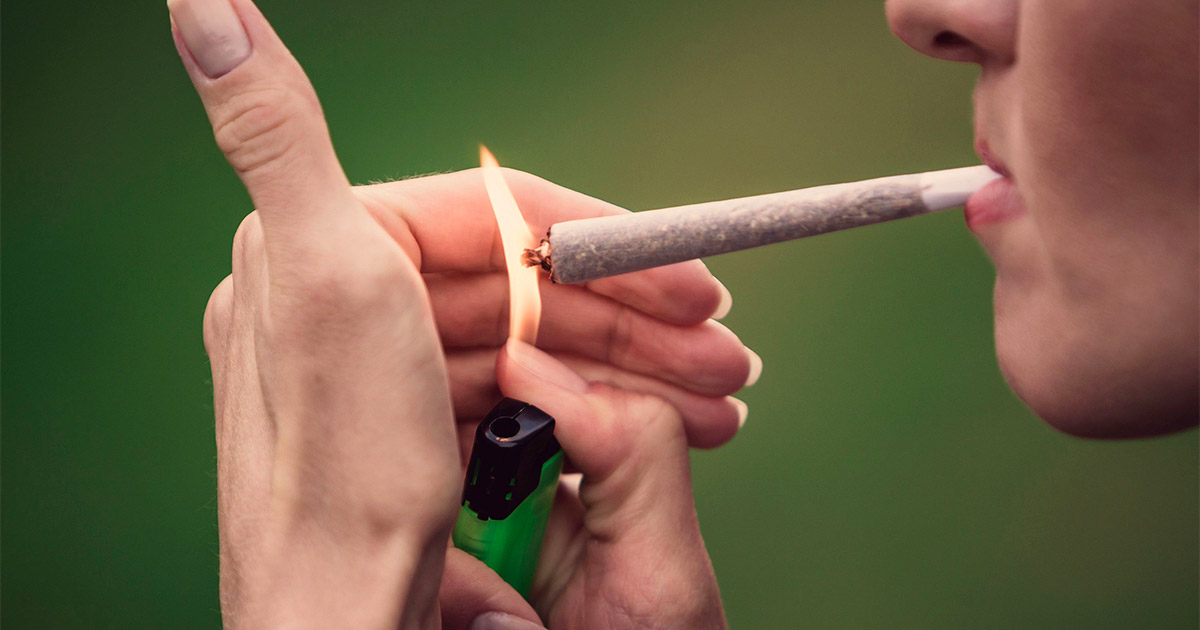
For the first time in modern history, more Americans use cannabis than cigarettes, according to a new study by researchers at the State University of New York (SUNY) and the’University of Kentucky.
Published in the Journal of Addictive Behaviors, According to its authors, this research, the most comprehensive analysis to date trends in the use of cannabis, tobacco and their combinations among adults between 2015 and 2023.
The results reveal a steady decline in smoking accompanied by a sharp rise in cannabis consumption, reflecting a possible substitution effect as risk perceptions, social norms and legislation in the United States.
Between 2021 and 2023, data from the National Survey on Drug Use and Health (NSDUH) indicate that the proportion of adults who have used only cannabis in the past 30 days has risen from 7.2 % to 10.6 %, while the proportion of exclusive cigarette smokers fell from 10.8 % to 8.8 %.
Changing standards and perceptions
Researchers attribute this trend reversal to the Growing legalization of recreational cannabis in US states, combined with anti-smoking efforts of long standing.
«The increase in exclusive cannabis use across all groups goes hand in hand with the growing legalization of recreational cannabis at the state level, increasing its accessibility and normalization,» the study notes. Conversely, the decline in cigarette consumption «is consistent with decades of tobacco control efforts and changing smoking norms».
The authors observed that joint consumption, i.e. the simultaneous use of both substances, remained relatively stable, which they interpreted as a sign that many people might be replacing cigarettes with cannabis rather than combining the two.
This trend reflects other studies suggesting that cannabis is being used more and more as an alternative to alcohol, particularly among young adults and in states where the market is legal.
Who consumes what?
Beyond global trends, the study identifies distinct demographic patterns. Cigarette consumption remains more widespread among socio-economically disadvantaged groups, In other words, those with lower levels of education, lower incomes or no health insurance.
On the other hand, exclusive use of cannabis predominates among more affluent adults, This is particularly true of people with higher education, higher incomes and private insurance.
From 2015 to 2019, exclusive cigarette consumption fell in almost all groups, while exclusive cannabis consumption rose steadily, reinforcing the idea that this change transcends social and economic divides.
A public health dilemma
Despite the decline in smoking, a long-standing victory for public health, researchers warn that the’rapid increase in cannabis consumption could create new challenges. «Without a swift policy response, cannabis could become the next public health crisis,» they warned.
The study calls for «a multi-pronged strategy involving public health education, early detection and the development of effective treatments» to prevent cannabis-related risks from worsening. While previous research has shown that exposure to cannabis smoke is not as harmful as tobacco smoke, the authors point out that cannabis use involves heterogeneous risks which depend on consumption methods, wattage, frequency and individual factors.
«U.S. cannabis legislation is evolving rapidly. While the decline in cigarette consumption is encouraging, the increase in cannabis use is cause for concern,» they write. «While new evidence suggests potential therapeutic applications for cannabis (pain management, detoxification and opiate withdrawal), considerable risks exist.»
Overview: a nation in transition
The data used for analysis included all forms of cannabis consumption, including smoking flowers, vaporized concentrates edibles and dyes. Cigarette data, on the other hand, excluded nicotine vaping. Each survey period involved between 42,000 and 47,000 participants, with the exception of 2020, when the pandemic reduced the sample size.
These figures echo other recent findings: according to one Gallup poll, 15 % of U.S. adults reported smoking cannabis in the past year, compared with just 11 % for cigarettes. Young adults are now five times more likely to use cannabis than tobacco.
Overall, these studies point to a cultural redefinition of risk and habits. Cigarettes, once deeply entrenched in American life, are gradually being replaced by cannabis, a substance which, although increasingly normalized, remains under the scientific and political spotlight.
As the authors conclude, «the increase in cannabis use among adults in parallel with the decline in cigarette consumption highlights changing patterns of substance use, warranting surveillance and targeted prevention, treatment and policy efforts».























Medical Cannabis in Germany: THC Prices Vary by a Factor of 12

France already has 3,000 cannabis retail outlets. None of them are legal.

Morocco's exports of legal cannabis have expanded to 15 countries

Aurora Cannabis Doubles Its Production Capacity in Germany

Tilray is accelerating its operations in Europe thanks to a license in Portugal

Boston will host the 10th annual State of the Cannabis Industry Conference on October 26

A DEA report confirms that there are no fatal cannabis overdoses

A British patient is challenging the NHS's refusal to reimburse medical cannabis

October 2026 CBD Highlights: 10 Strains and Hash to Discover from 5 French Producers

CBD in France: Traceability, Retail Stores, THC and Driving… What the New Bill Proposes
-
 Business2 weeks ago
The legal cannabis market in New York exceeds 4 billion $ in revenue
-

 Cannabis in France3 weeks ago
Which countries legalized medical cannabis before France?
-
Business3 weeks ago
South Korea is preparing to begin local production of medical cannabis to meet rising demand
-
Cannabis in Thailand3 weeks ago
From the boom in dispensaries to a purely medical approach: Thailand is revising its cannabis policy
-
Cannabis and driving3 weeks ago
Medical Cannabis and Driving: New South Wales Ends Automatic Penalties for THC
-
Autism3 weeks ago
Autism and Cannabis: Results from the First Placebo-Controlled Trial of NTI164
-
Cannabis in France2 weeks ago
France’s Drug Policy Chief Defends Cannabis Prohibition... and Runs Into the Facts
-
CBD1 week ago
In Brazil, researchers are developing an innovative CBD eye drop

















You must be logged in to post a comment Login