290,000 arrests, 95% in fines, 0 effectiveness: the statistics that will shake up France's cannabis law

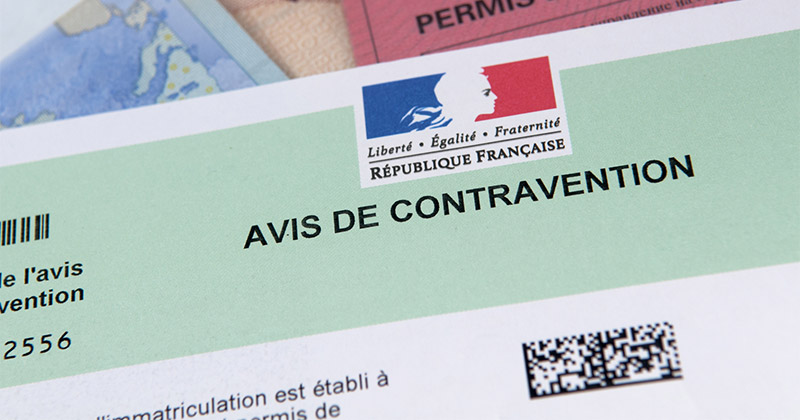
For the first time, the Ministerial Statistical Service for Internal Security (SSMSI) publishes a study of trafficking and use offences recorded since 2016. In 2022, the same department had already compiled the results of the fixed fine system (AFD).
Here, the SSMSI provides a precise snapshot that confirms what those involved in the field have known for a long time: cannabis dominates procedures, but the dynamics evolve rapidly according to products and profiles.
Usage and traffic on the rise since 2016
In 2024, 290,400 people were indicted for drug use. narcotics and 52,300 for traffic. These figures have risen sharply since 2016, with a acceleration in usage since 2020, the year of the arrival of AFD. They now represent 68% procedures, 196,400 fines, of which 95% for cannabis.
According to the study, 92% of those implicated for use and 78% of those prosecuted for trafficking are linked to cannabis - mainly from resin, in more than three out of four cases. The predominance of resin can be explained as much by the structure of the French market as by historically established import channels.
Behind cannabis, three substances dominate: cocaine, heroin and ecstasy-MDMA. Together, these four products cover 99% of suspects for trafficking and almost all those for use.
Cannabis, cocaine, ecstasy: a contrasting rise in power
Developments since 2016 have differed greatly depending on the narcotics involved. The number of suspects for cannabis trafficking grew “only” by 35% in nine years, while the figures for other products are skyrocketing.
- +176% for cocaine trafficking
- +118% for ecstasy-MDMA traffic
- very moderate increase for heroin (+12%)
- collapse of other opioids
On the usage side, AFD-eligible products are experiencing similar surges:
- +100% for cocaine
- +78% for ecstasy-MDMA
- +74% for cannabis
Conversely, the use of’heroin falls sharply (-34%), as well as amphetamines (-26%).
Very young profiles for cannabis and synthetic drugs
The study confirms a reality already observed but rarely quantified with such precision: cannabis suspects are the youngest.
- Median age: 21 for traffic, 24 years for use
- 22% of trafficking suspects are minors
- 79% are under 30 years old
Synthetic drugs (ketamine, MDMA, amphetamines, cathinones) have a similar profile: young, often in groups, and more frequently in a situation of "addiction". multi-purpose.
Conversely, users of cocaine (median 31 years), heroin (37) or other opioids (38) are significantly older.
Another lesson: women are still largely in the minority (8% for cannabis use, 10% for trafficking of all products), but their share is increasing. twice as high in the trafficking or use of ketamine and’amphetamines.
Foreigners targeted more often
Foreigners represent 8% of the French population, but 22% of suspects for trafficking and 12% for use in 2024. This proportion varies greatly depending on the product.
The most striking case is that of crack, where 47% of those accused of trafficking and 41% for use are foreigners, mainly from African countries. Paris accounts for more than half of all proceedings involving this processed form of cocaine, making it the world's leading most geographically concentrated drug of France.
For the cannabis, The proportion of foreigners has also risen, from 11% to 21% in traffic since 2016.
Resin vs. grass: strong territorial disparities
If the resin dominates overall, geography nuances this impression of homogeneity. In some departments, such as Guadeloupe, the North, Meeting or the Ardennes, thegrass is in the majority of use or traffic.
Departments where cannabis plants are most present in the procedures - Ardèche, Ariège, Lot, Réunion - show a very different profile:
- median age 36,
- more women,
- fewer foreigners.
Cocaine: an explosion and a very uneven spread
The second most recorded drug is cocaine has almost tripled in nine years.
The highest rates are found in :
- at French Guiana (300 suspects/100,000 inhabitants),
- at Martinique,
- in several departments of the Paris region,
- and the Mediterranean arc.
Paris and several departments in the south-east of France exceed the usual 80 suspects per 100,000 inhabitants, almost double the national average.
Heroin: a declining but highly localized market
The third-largest substance in terms of volume is’heroin has an extremely marked geography. In 2024, the highest rates will be found in :
- the North,
- l’East,
- including Meuse, Vosges, Sum, Meurthe-et-Moselle, Ardennes.
Some towns, such as Lille, Amiens and Calais, have more heroin suspects than Paris.
Synthetic drugs: rapid rise and massive polyuse
The synthetic drugs (MDMA, ketamine, cathinones, amphetamines) are doubling or tripling, depending on the product. The major phenomenon: the polyconsumption.
- 89% of those implicated in ecstasy trafficking are also linked to at least one other product.
- For the ketamine, the rate climbs to +90% in traffic.
- The LSD is associated with ecstasy in 85% traffic cases.
Cannabis, in comparison, is the one that generates the fewest associations.
A photograph that questions penal policy
While the cocaine continues its spectacular growth and some synthetic drugs are exploding, the maintenance of a system massively focused on cannabis - notably via the AFD - has reopened the debate on the relevance of the model.
SSMSI data confirm a structural imbalance in France's response to drugs: the vast majority of law enforcement activity is devoted to cannabis, while the substances experiencing the greatest increase - cocaine, crack and synthetic drugs - are those that generate the greatest health, criminal and social risks. Against this backdrop, the maintenance of a uniform repressive model seems increasingly out of step with market realities.
For many players, these figures argue in favor of redirecting resources towards the most dangerous products, reducing police pressure on cannabis and opening up the debate on forms of regulated control, with the aim of better targeting the most problematic trafficking and improving the overall effectiveness of public policies.























Medical Cannabis in Germany: THC Prices Vary by a Factor of 12

France already has 3,000 cannabis retail outlets. None of them are legal.

Morocco's exports of legal cannabis have expanded to 15 countries

Aurora Cannabis Doubles Its Production Capacity in Germany

Tilray is accelerating its operations in Europe thanks to a license in Portugal

Boston will host the 10th annual State of the Cannabis Industry Conference on October 26

A DEA report confirms that there are no fatal cannabis overdoses

A British patient is challenging the NHS's refusal to reimburse medical cannabis

October 2026 CBD Highlights: 10 Strains and Hash to Discover from 5 French Producers

CBD in France: Traceability, Retail Stores, THC and Driving… What the New Bill Proposes
-
 Business2 weeks ago
The legal cannabis market in New York exceeds 4 billion $ in revenue
-

 Cannabis in France3 weeks ago
Which countries legalized medical cannabis before France?
-
Business3 weeks ago
South Korea is preparing to begin local production of medical cannabis to meet rising demand
-
Cannabis in Thailand3 weeks ago
From the boom in dispensaries to a purely medical approach: Thailand is revising its cannabis policy
-
Cannabis and driving3 weeks ago
Medical Cannabis and Driving: New South Wales Ends Automatic Penalties for THC
-
Cannabis in Argentina4 weeks ago
Argentina Opens Its Market to Hemp Flowers Containing 1% of THC
-
Autism3 weeks ago
Autism and Cannabis: Results from the First Placebo-Controlled Trial of NTI164
-
Cannabis in France2 weeks ago
France’s Drug Policy Chief Defends Cannabis Prohibition... and Runs Into the Facts

















You must be logged in to post a comment Login