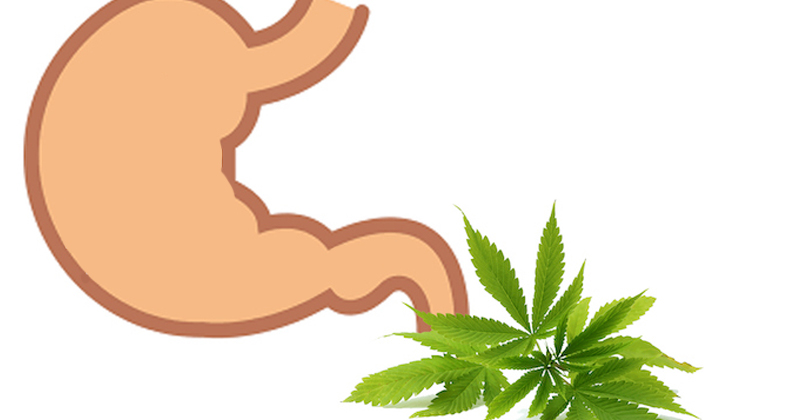
Does CBD turn into THC in the stomach?
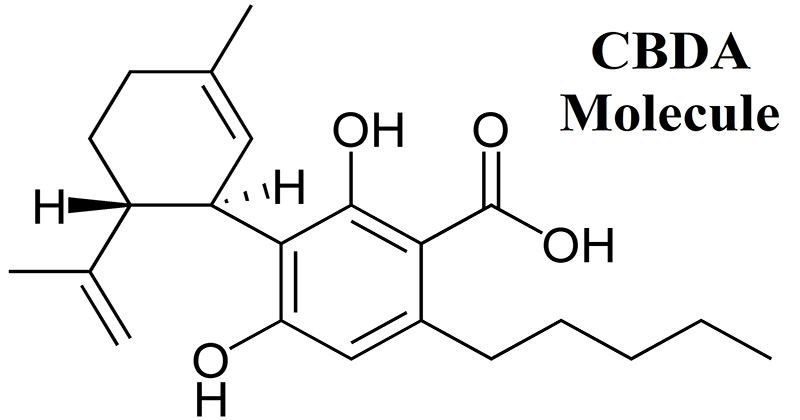
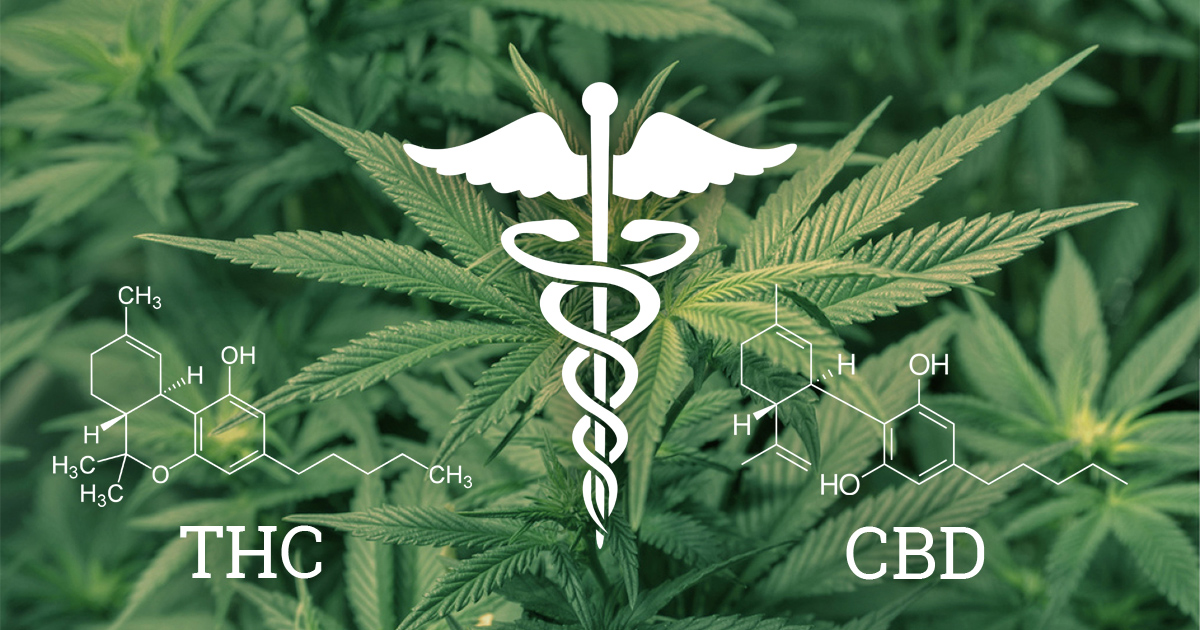
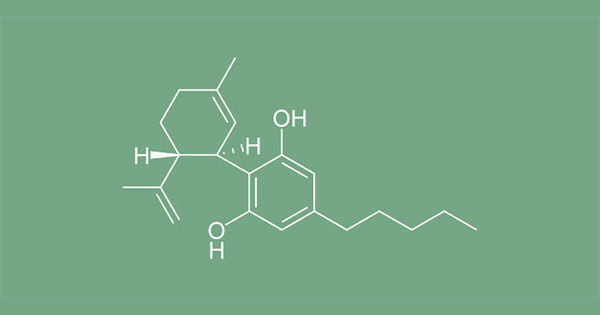
The molecules of CBD and THC are so similar in structure that certain processes can be used to transform CBD into THC derivatives. Roger Adams and Professor Mechoulam, the researchers who discovered CBD and THC respectively, had been working on the isomerization of CBD. They succeeded in transforming the CBD molecule into delta8-THC and delta9-THC, active ingredients with psychoactive potential, by isomerization. Could CBD suffer the same fate in the stomach under the action of gastric juices?
Isomerization
Various processes exist for transforming CBD into THC derivatives, but they all require advanced chemical skills. These include obscurely-named acids such as hydrochloric acid or paratoluenesulfonic acid, as well as ether for extraction. What's certain is that it's possible, since certain techniques are already patented.
All these processes are based on the isomerization method. In concrete terms, this involves dissolving the CBD and then producing a chemical reaction between the solution and an acid (different solvents and acids are used). In an acidic environment, CBD is cyclized: it forms a new carbon ring to transform into THC (in general, only 50% to 60% of CBD is isomerized into THC). This is why the theory that the stomach is an extremely acidic environment is consistent.
Does CBD ingestion cause psychoactive effects?
After noting adverse effects in some patients treated with oral CBD, American researchers wondered whether it was possible for CBD to be isomerized and converted to THC by the stomach in such quantities as to cause physiological effects. Their results published in Cannabis and Cannabinoid Research suggest that CBD converts to THC in the stomach in quantities sufficient to cause psychoactive effects. However, the experiment was performed in vitro with simulated gastric fluid (SGF). Data from blood and urine samples, however, suggest that this is not the case.
Other researchers have looked into the matter and examined the presence of ∆9-THC and ∆8-THC in urine after CBD ingestion. They found less than 1% of ∆9-THC and between 1 and 2% of ∆8-THC compared with the dose of CBD ingested. This suggests that only a tiny amount of CBD is converted to THC after ingestion. Other researchers looked for the presence of THC and its metabolites in the blood after ingesting 600 mg of CBD. This was statistically insignificant. However, in order to trigger psychoactive effects, significant activity is required at B1 brain receptors, which would be reflected in the significant presence of THC in the blood. Furthermore, patients who ingested CBD never reported psychoactive effects, as CBD consumption has been shown to be safe, in particular by the WHO.
Science and conflicts of interest
In the first study, researchers sought to establish a ratio to determine patients' potential exposure to the effects of CBD degraded to THC. They found that CBD in SGF with 1% sodium dodecyl sulfate degraded to Δ9-THC and Δ8-THC at 85% in one hour and 98% in one and a half hours. Although these data are different in vivo, In their view, scenarios where these derivatives reach 20 or 30 mg in the body - or 1.5 times the recommended daily dose - are plausible. At such levels, these derivatives may be responsible for significant physiological effects, and this raises a number of questions about the oral administration of CBD, particularly in children. However, another in vivo study using SGF found that only 3% of CBD was converted to THC, and this 20 hours after ingestion, i.e. 200 times slower than in the first study. This enormous difference calls into question the validity of the first study.
Projectcbd points out that the study published in Cannabis and Cannabinoid Research was funded by pharmaceutical company Zynerba, which announced in a press release in 2016 that it was developing a transdermal delivery system to «bypass gastrointestinal uptake and the potential breakdown of CBD to THC in the stomach (associated with psychoactive effects)».
It was therefore in the company's interest to present CBD as having adverse effects. It's not the only one to have done so, Ananda Scientific also touted its CBD formulation as not converting to THC after ingestion, whereas a risk factor existed in other existing CBD products. These kinds of commercial interests backed by «scientific research» are not trivial, and can influence policy-makers in the making of regulations.








France already has 3,000 cannabis retail outlets. None of them are legal.

Morocco's exports of legal cannabis have expanded to 15 countries

Aurora Cannabis Doubles Its Production Capacity in Germany

Tilray is accelerating its operations in Europe thanks to a license in Portugal

Boston will host the 10th annual State of the Cannabis Industry Conference on October 26

A DEA report confirms that there are no fatal cannabis overdoses

A British patient is challenging the NHS's refusal to reimburse medical cannabis

October 2026 CBD Highlights: 10 Strains and Hash to Discover from 5 French Producers

CBD in France: Traceability, Retail Stores, THC and Driving… What the New Bill Proposes

