
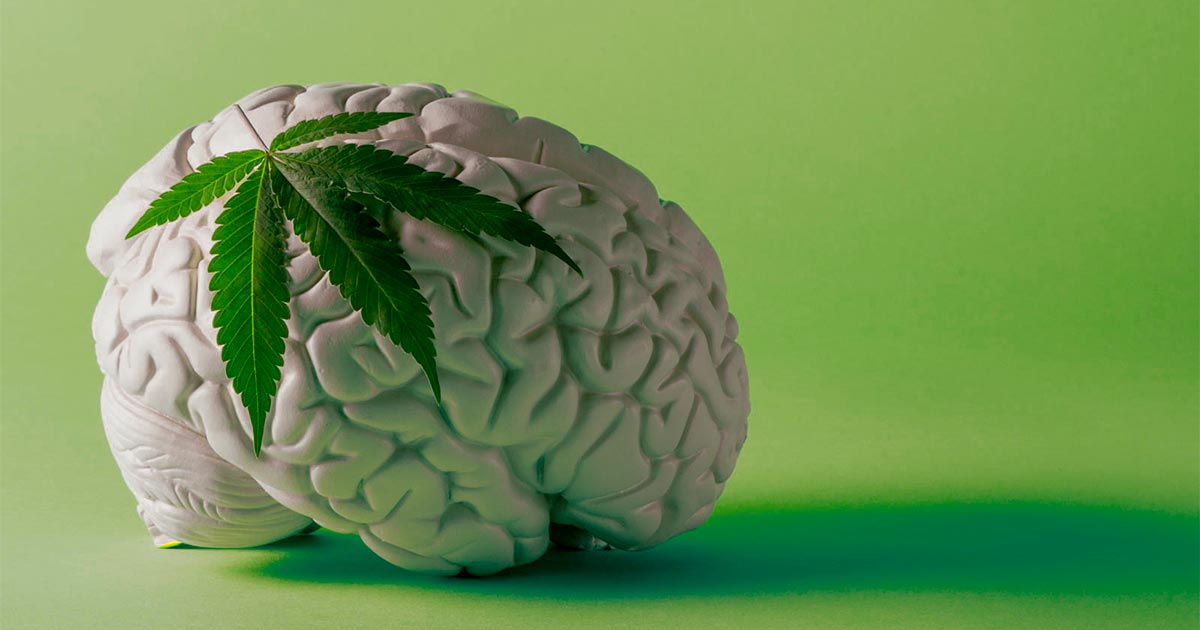
Does using cannabis kill brain cells?
For over a century, rumors have persisted about the supposed dangers of cannabis consumption. From the war on drugs to cultural commentary in film and the media, smoking weed has often had a bad reputation.
Here, we debunk the myths about cannabis use and delve into the research to find out if cannabis use can kill brain cells.
Origins of the myth that cannabis kills brain cells
The prohibition era of the 20th century coincided with certain misconceptions about weed and its effects on consumers. The two biggest contributors to these misconceptions about marijuana's harmful effects on the brain are Reefer Madness and the campaign Fried egg (fried eggs).
Reefer Madness is a 1936 film that enjoyed a resurgence in the 1970s, depicting excessively violent events linked to cannabis consumption. The melodramatic scenes show young adult cannabis smokers descending into various forms of madness and hallucinations until an ominous warning appears on screen at the end: «PREVENT YOUR CHILDREN».

Reefer Madness is a 1936 film that enjoyed a resurgence in the 1970s, depicting excessively violent events linked to cannabis consumption.
The campaign Fried egg is a component of Reagan-era programs such as DARE (Drug Abuse Resistance Education), which aimed to make children in the 80s aware of the potential dangers of drugs. To this end, the Partnership for a Drug-Free America (PDFA) sponsored an alarmist public service announcement featuring the image of an egg thrown into a sizzling frying pan. In the background, a man issues a grave warning: «This is your brain. This is your brain on drugs. Any questions?» The first «fried egg» ad was aired in 1987 and relaunched as recently as 2016.
Research at a glance
Scientists generally distinguish between infrequent and regular cannabis use, which can have very different effects on the brain. Available research supports the idea that occasional cannabis use can have neuroprotective effects on the brain, while the effects of frequent cannabis use are less clear but could be negative.
«The only evidence I could find in the literature of brain cell neurotoxicity is caused by synthetic cannabinoids (such as Spice and K2). Plant-derived cannabinoids seem to have the opposite effect, at least in the short term», explains neuroscientist Dr. Adie Rae?
Studies on cannabis use and brain activity
Many cannabinoids present in cannabis (notably CBD and CBG, but also THC) are in fact neuroprotective, according to Rae: «This means that they activate healthy cellular processes such as antioxidation, rather than stimulating cellular processes that lead to cell death. Being neuroprotective is what makes cannabis and its derivatives attractive targets as therapies for degenerative brain disorders like Parkinson's and Alzheimer's,» she said.
A review of published literature in 2020 in Molecular Neurobiology indicates that THC and CBD could potentially be therapeutic for Parkinson's and Alzheimer's sufferers.
A study carried out on mice and published in 2018 in Neurobiology of Aging showed that a very low dose of injected THC could trigger a reversal of age-related cognitive impairment. The positive effects lasted seven weeks.
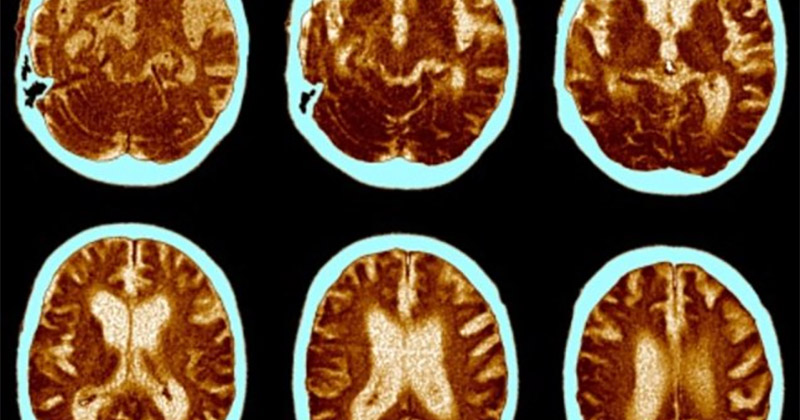
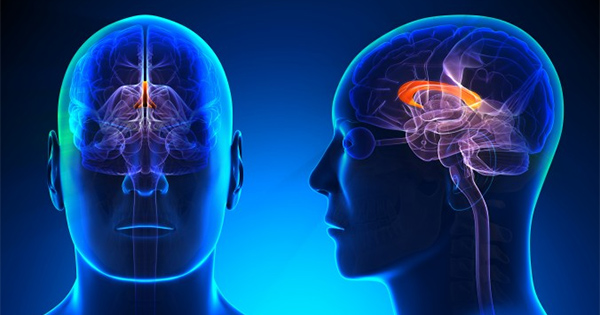
On the other hand, a study published in 2020 in the magazine Addiction Biology showed that the total size of the hippocampus, which is an important for memory and learning, continues to reduce with more frequent cannabis use «Cannabis doesn't necessarily «kill» brain cells, but there's clearly something not right in the hippocampus of chronic cannabis users,» according to Rae.
In addition, some frequent cannabis users show a reduction in gray matter volume in several brain regions. One study of 2020 published in the scientific journal Neuroreport which demonstrated these gray matter changes in heavy cannabis users. «Again, this doesn't mean that cannabis «kills» these brain cells, but the areas are smaller than normal,» Rae explains.« In addition, chronic cannabis use decreases the production of key proteins that serve as survival tools for brain cells.»
How to use cannabis intelligently
Moderation is the best way to ensure that you enjoy cannabis safely and perhaps even derive some of its brain-protecting effects. Rather than consuming cannabis daily, consider reducing your consumption and setting aside your favorite strain as a pleasure rather than a habit.
Choose low-THC varieties, Low-THC strains, which have fewer psychoactive properties, can also be a smarter way to enjoy cannabis. Popular low-THC strains include Ringo's Gift, Harlequin, Cannatonic, Pennywise, ACDC and Sour Tsunami.
Finally, experimenting with non-combustion methods of cannabis consumption may be better for your brain (provided the potency is low) and will certainly be better for your lungs.
Conclusion about weed and your brain
While studies have shown negative effects on the brains of frequent cannabis users, lower doses of THC may be beneficial.
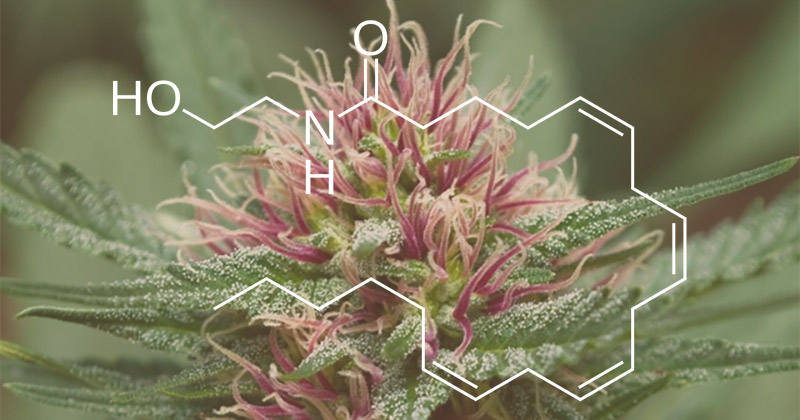
«Given that the endocannabinoid system is involved in all our cognitive and homeostatic processes, it's wise to use cannabis in moderation and/or take regular breaks,» said Rae. She recommends an abstinence of at least 48 hours at least once a month.
However, this advice is aimed at adult consumers, not those whose brains are still developing. «There are definitely effects of cannabis on brain development, whether the person is in utero or high school. The safest thing for brain health is to wait until the brain is fully developed, around age 22, before using cannabis,» says Rae.
It would seem that, when it comes to cannabis use and brain health, less is more.

















CBD: Full-Spectrum Extracts Under Threat in Greece

Medical Cannabis and Back Pain: Opioid Use Has Dropped by 90 % in 10 Years

Cannabis: Wisconsin Could Finally Legalize It in 2027

Argentina Opens Its Market to Hemp Flowers Containing 1% of THC

The French Socialist Party still doesn't know how to approach the legalization of cannabis

Science in the City International: Paris at the Heart of Transatlantic Scientific and Medical Dialogue

Christine Fréchette is alienating Quebec’s cannabis industry

Rima Hassan: When «Drugs» Become a Political Weapon

From Marathons to Ultratrails: How Extreme Running Affects the Endocannabinoid System
