
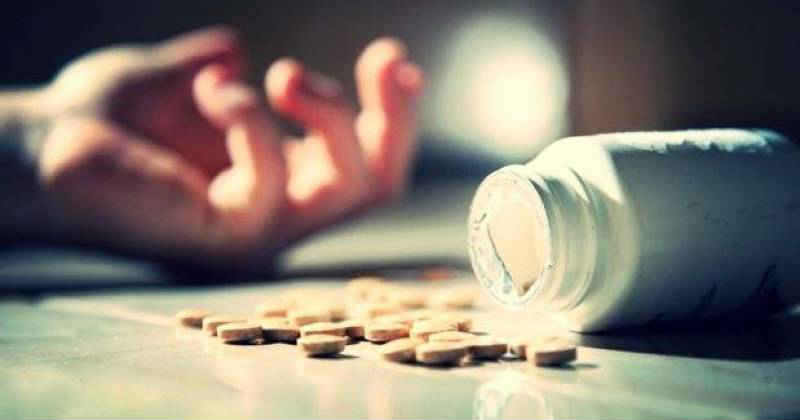
Why is it impossible to overdose on cannabis?
Overconsumption of cannabis is not advisable and can give you a hard time (or even a little more), but it's a good idea to be on the safe side. it can never kill you as do alcohol and opioids.
Different brain areas involved
When it comes to opioids, K.T.S Pattinson, Professor of Anaesthesiology at Oxford University, explains: «respiratory depression is the leading cause of death». During an opioid overdose, In most cases, the victim falls into unconsciousness and the anesthetized brain loses control of breathing. The signal in charge of breathing in the brain is located in the pre-Bötzinger complex, which dysfunctions under the effect of opioids, making breathing slow and irregular. This depression goes undetected, as the sensation of intense pleasure is omnipresent and pain annihilated. In the case of overdoses, breathing stops completely, and the lack of oxygen brings vital functions to a halt.
Opioid receptors are numerous and located throughout the brain particularly in areas critical to survival, such as the region that controls breathing, but also the one that regulates blood flow. Overconsumption of opioids can cause depression of the blood flow regulation mechanism. The altered blood pressure then causes the heart to stop, as it is not sufficiently nourished to perform its function.
Alcohol acts on the same areas of the brain responsible for respiration and blood pressure, anaesthetizing them and preventing them from sending the signals they need to perform their functions. Fortunately, the body has mechanisms to evacuate alcohol and cleanse the organism, but when these mechanisms are overstretched and alcohol consumption is too high, the body is poisoned, often fatally.
Cannabis isn't fatal, but it's not harmless either
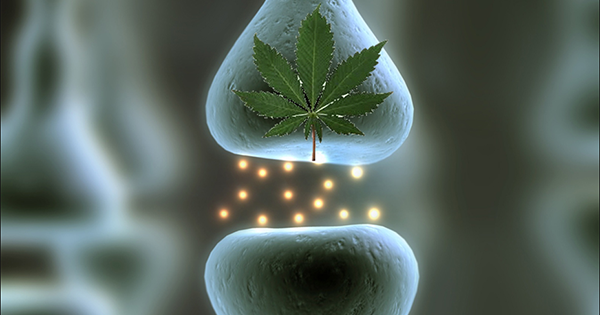
Cannabis, on the other hand, does not act on the same regions of the brain. It does not affect breathing or blood circulation. Cannabinoid receptors are concentrated in the basal ganglia, hippocampus and cerebellum, which control cognition and movement. They are actually located throughout the brain, but not in sufficient numbers to influence vital functions. This is why cannabis cannot be lethal. The task now for research is to discover the precise effect of cannabis on the brain regions concerned by a density of cannabinoid receptors.
THC, for example, is involved in the pleasure circuit and triggers a dopamine release, the neurotransmitter that gives the sensation of pleasure. This mechanism lies at the heart of addiction problems, which is why regular cannabis use is not innocent. Stopping cannabis use can cause depressive tendencies and irritability by suddenly depriving the brain of a daily stimulus.
Cannabis consumption that is too frequent can also impair certain mental and cognitive functions, and prove dangerous.. For example, it is not recommended to driving under the influence of cannabis as it slows reflexes and reaction times. Cannabis can therefore cause death indirectly, especially as it is often associated with the consumption of other «narcotics».
At the University of Bordeaux's Neurocentre Magendie, a team of researchers has shown that THC reduces the exchange of information between neurons by altering synaptic activity. This process has consequences, in particular, for short-term memory. It also acts on the prefrontal cortex, which is concerned with decision-making, adapting behavior to a situation, attention, reaction time, memory and so on. Its impact is therefore mainly social, since cannabis has the potential to undermine productivity and adaptability, and can lead to isolation.
Although incapable of causing direct death, cannabis' capacity to alter the brain should not be underestimated. In general, these effects are not long-lasting, but can be very damaging to a developing brain. Studies on the subject are underway in parallel with legalization in North America and the resulting concerns about youth consumption.







Medical Cannabis and Back Pain: Opioid Use Has Dropped by 90 % in 10 Years

Cannabis: Wisconsin Could Finally Legalize It in 2027

Argentina Opens Its Market to Hemp Flowers Containing 1% of THC

The French Socialist Party still doesn't know how to approach the legalization of cannabis

Science in the City International: Paris at the Heart of Transatlantic Scientific and Medical Dialogue

Christine Fréchette is alienating Quebec’s cannabis industry

Rima Hassan: When «Drugs» Become a Political Weapon

From Marathons to Ultratrails: How Extreme Running Affects the Endocannabinoid System

Four days of THC may make breast cancer less aggressive, according to a new study
