Sugar
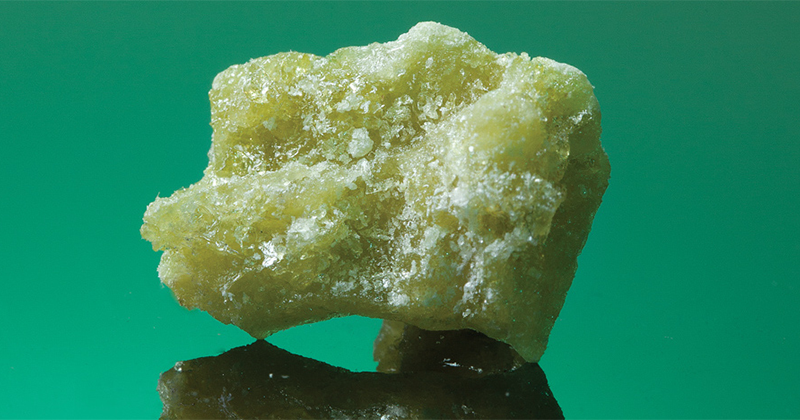
"Sugar" is one of the many textures available when purchasing concentrates made from cannabis extracts. Its viscous, grainy, and moist texture sets "sugar" apart from other cannabis concentrates such as the shatter or the budder.
It is generally consumed like any other extract and is often sought after for its high terpene content. While “sugar”—also known as “sugar wax”—is often produced intentionally, many less viscous solvent-based extracts take on a similar appearance if they are not winterized.
Learn more about sugar
Cannabis extracts are often named based on their appearance, texture, color, and malleability. That’s why you’ll see extracts with names like shatter, badder, crumble and oil.
Sugar is no different. Like other concentrates, it is created when a chemical solvent is used to extract terpenes and cannabinoids from plant material. Sugar typically has the consistency of wet sand and is yellow or amber in color.
How is sugar made?
The extraction process is roughly the same as that used to produce other solvent-based extracts. The solvents used to produce sugar and other concentrates include butane, propane, ethanol, and supercritical carbon dioxide (CO2). One difference in the sugar production process is that the substance is agitated, and the temperatures and pressure are lower to promote the crystallization of THC and CBD without damaging the terpenes.
Sugar can be made from dried or freshly frozen flowers harvested from any cannabis cultivar, including hemp varieties. If sugar is made from dried flowers, it generally contains fewer terpenes. If it is made from fresh flowers that have been frozen, it is called sugar from live resin and will contain more terpenes, resulting in a stronger flavor profile.
How do you use sugar and other cannabis concentrates for dabbing?
Dabbing is by far the most popular way to consume concentrates and extracts. Since concentrates are more potent than flower, dabbing is known to produce much stronger effects. Furthermore, because dabbing vaporizes rather than burns, the flavors and aromas you get from this method tend to be much cleaner and more robust.
The dabbing Using “sugar” follows exactly the same process as any other concentrate: heat the nail, place a small amount of sugar on it, and inhale the vapor. The main difference with sugar is that it’s best to use a spoon-shaped dabbing tool rather than one with a flat tip. This makes it easier to scoop the sugar out of its container and place it on the nail without any grains falling off.
You can also use any vape pen that allows you to dab actual drops of concentrate and doesn't limit you to using cartridges.
How to Store Sugar
As with any form of cannabis, storing sugar properly helps preserve its aroma, flavor, and potency, and slows down the natural degradation of the extract.
Exposure to high temperatures, humidity, oxygen, and light accelerates the degradation process and damages THC, CBD, and other cannabinoids. If this happens, you may notice that your sugar becomes darker. You may also notice that it begins to lose some of its quality in terms of taste, smell, potency, and effects.
The best way to ensure the longest possible shelf life is to store the sugar in an airtight, light-proof container, away from direct light and extreme temperatures. Glass or silicone are ideal for this purpose. You can find good storage containers at health food stores and natural product shops.







«Vincy Gold»: Humboldt Seed Company on the Hunt for Saint Vincent Sativas

Cronos Completes the Acquisition of CanAdelaar for 57.5 million euros

Cannabis with a "bloody" twist: Discover Sensi True Blood and Sensi Sangria, the two new strains from Sensi Seeds

Hemp: The Council of the EU Takes a Stand on New Production and Marketing Rules

Missouri's legal cannabis market accounts for 93 % of consumer spending

THC Gummies: How to Read a Certificate of Analysis Before Buying

British patients now have access to THCV-rich cannabis flowers

Spain: Medical Cannabis Is Coming to About 50 Hospitals

JIHE 2026: Japan’s Largest Trade Show Dedicated to Hemp and CBD Returns to Tokyo with More Than 100 Industry Players

