
Foods that increase the effects of cannabis
The chemistry of cannabis and its interactions with the human body have not yet been fully understood. What is known is that the terpenes and cannabinoids act in concert on the endocannabinoid system to produce the effects familiar to consumers. It appears that certain foods have the ability to amplify, modulate, or prolong these effects—through identified biochemical mechanisms. An overview.
Mango: The Most Well-Documented
The mango is the best-known and most well-documented example. It is rich in myrcene, a terpene which is also found in hops, lemongrass, and basil, and is one of the most abundant compounds in many cannabis strains.
Myrcene is thought to work by making the blood-brain barrier more permeable, allowing the THC to reach the brain’s cannabinoid receptors more quickly. The effect is said to be more pronounced if you eat a ripe mango 45 minutes to 1 hour before smoking, so that the myrcene has already been absorbed into the bloodstream.
Warning : This same mechanism works the other way around: mangoes can also amplify the effects of a space cake Already quite challenging. Best avoided if you're already well on your way.
Dark chocolate: anandamide
Tasting cocoa triggers the release of’anandamide in the brain—a natural endocannabinoid nicknamed «the bliss molecule.» Anandamide binds to the same CB1 receptors as THC, which explains why dark chocolate can prolong and intensify the feeling of being high. Cocoa also contains compounds that inhibit the natural breakdown of anandamide, prolonging its effects.
Bonus: Chocolate may also help reduce eye redness for vascular reasons related to flavonoids.
Walnuts: Omega-3 Fatty Acids
Nuts are rich in omega-3 fatty acids, which play a structural role in cannabinoid receptor membranes. Studies suggest that omega-3 intake enhances the sensitivity of CB1 and CB2 receptors and may prolong the duration of effects while slightly reducing associated anxiety.
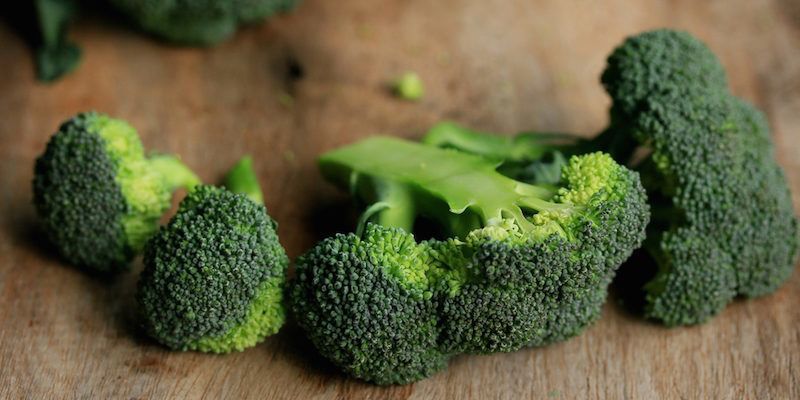
Broccoli: Beta-caryophyllene
Broccoli is one of the vegetables richest in beta-caryophyllene, a terpene with anti-inflammatory properties that bind directly to the CB2 receptors. Working in synergy with the cannabinoids in cannabis, beta-caryophyllene enhances the anti-inflammatory effects—in fact, this is the same mechanism that explains why black pepper can, conversely, to mitigate the overly strong effects of THC through that same receiver.
Green and Black Tea: Catechins
Green and black teas contain catechins, antioxidants that bind to CB1 receptors and can enhance the sense of relaxation induced by cannabis. The effect is mild but real, and is particularly noticeable with Japanese green teas that are high in EGCG.
Herbs and Spices: Common Terpenes
Several herbs and spices share terpenes with cannabis and can modulate its effects through the’entourage effect, the synergy between terpenes and cannabinoids.
- Thyme and sage : rich in pinene, which promotes the absorption of cannabinoids into the nervous system
- Lemon : rich in limonene, particularly effective at countering anxiety and stress associated with heavy use
- Black pepper : rich in beta-caryophyllene — paradoxically, it can both modulate and sometimes reduce effects that are too intense (see our article on how to transfer the effect of a joint)
Sweet Potatoes: Mood
Sweet potatoes contain vitamins B and E, which promote the production of serotonin. Their effect isn’t to directly enhance the THC, but rather to improve your baseline emotional state—which can make a session more enjoyable if you’re starting out in a low mood. This is helpful for users who find that cannabis sometimes amplifies their anxiety.
Beer: with caution
Hops, botanical cousin of cannabis in the Cannabaceae family, shares several terpenes with it. A study published in the Journal of Clinical Chemistry showed that blood THC levels were higher in people who had consumed alcohol before smoking.
An important distinction : It is alcohol in general—not hops specifically—that raises blood THC levels by slowing its metabolism in the liver. This means that mixing alcohol and cannabis significantly amplifies the effects of both substances, also increasing the risk of feeling unwell, nausea, or a bad trip. This isn’t just a harmless «boost»—it’s a combination that should be approached with caution and full awareness.
Summary table
| Food | Main Mechanism | Effect on cannabis |
|---|---|---|
| Mango | Myrcene → blood-brain barrier permeability | Faster onset |
| Dark chocolate | Anandamide + inhibition of degradation | Extended duration |
| Nuts | Omega-3 → CB receptor sensitivity | Longer duration, reduced anxiety |
| Broccoli | Beta-caryophyllene → CB2 | Enhanced anti-inflammatory effects |
| Green/Black Tea | Catechins → CB1 | Enhanced Relaxation |
| Lemon / citrus fruits | Limonene → reduced anxiety | A more serene profile |
| Sweet potatoes | Vitamins B and E → serotonin | Improved mood |
| Beer / Alcohol | THC Slows Metabolism | Enhanced effects (⚠️ Caution) |




Contest: Win a trip to Quebec to experience the hemp harvest firsthand

Bedrocan on Hold Amid Uncertainty Over Medical Cannabis

Newsweed Launches Its Own AI
A new tax of 0.5% could disrupt the hemp industry in Canada

Medical Cannabis and Driving: New South Wales Ends Automatic Penalties for THC

China's Yongji Health Takes Control of Tasmanian Botanics

Autism and Cannabis: Results from the First Placebo-Controlled Trial of NTI164

Which countries legalized medical cannabis before France?

From the boom in dispensaries to a purely medical approach: Thailand is revising its cannabis policy

