Plant or medicine: what's the right choice for therapeutic cannabis?

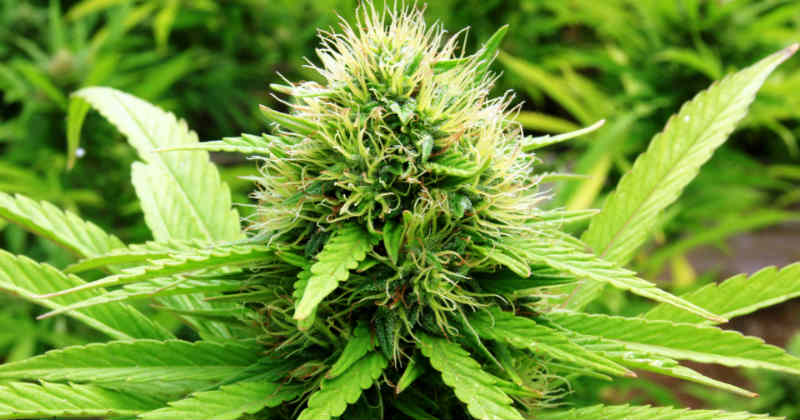
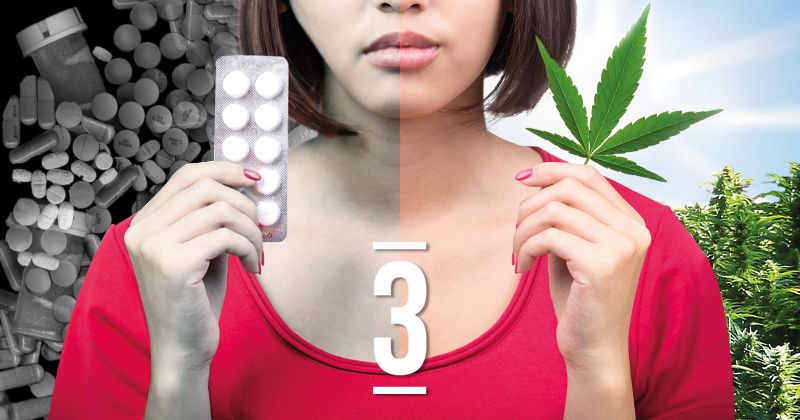
Regulating the therapeutic use of cannabis raises a number of crucial questions for regulators and patients alike. One of the most frequently asked is: should the use of the cannabis plant be authorized, or only cannabis-based medicines? Both options have advantages and disadvantages, and are not mutually exclusive.
From plant to molecule
Cannabis is an age-old plant whose use dates back to Antiquity. The first documented therapeutic uses can be traced back to traditional Chinese medicine. However, today's medical standards are a far cry from those of yesteryear, and the illegality of cannabis has not encouraged research into modern medicine.
The latter most often works with drugs - not whole plants - which are produced from molecules. The laboratories that create these drugs isolate the molecules of interest found in nature, recreate them synthetically and transform them if necessary to increase or modify their effects. Isolating molecules enables their specific effect to be tested. This is a double-edged sword, as it cancels out the synergy of molecules found naturally in plants, which can be beneficial in the treatment of certain diseases, but it also eliminates the risk of an unforeseen adverse effect and allows for greater precision.
The entourage effect
This synergy of molecules in cannabis is called the’entourage effect. As Dr. Nicco Reggente, a specialist in cognitive neuroscience, describes it is about «This is due to »the multiple combination of different cannabinoids and terpenes that are found naturally in the plant and which complement each other, making each more biocompatible in the body and leading to richer medical effects". Nevertheless, its existence is still a matter of debate within the scientific community.
In the case of CBD, some studies suggest that full-spectrum plant extracts (containing all the plant's active molecules) are more effective than isolates. What's more, scientists have identified a so-called «bell curve» effect» which suggests that the isolated CBD molecule is only effective at a very precise dosage that is difficult to determine. As for THC, it would appear that the presence of CBD is able to moderate certain side effects due in particular to its antipsychotic properties.
The political aspect
Despite being used for thousands of years, the Cannabis plant and its effects are still largely unknown. Cannabis is currently little used in the manufacture of medicines in view of the extremely rigorous standards of the classical drug circuit, which require reproducible, standardized results; for each drug, the appropriate dosage must be determined and possible contraindications prevented through in-depth scientific studies, which take time and cost money. Molecules undergo preliminary laboratory studies, in vitro and in vivo, and then on a small sample of humans, before larger, double-blind studies are launched (the standard of modern medicine used to approve a drug).
That said, all these precautions are not necessarily a guarantee of safety, as demonstrated by the opioid crisis - prescription drugs that claim 250 lives a week in the USA and 5 in France. Some patients have developed a distrust of conventional pharmacopoeia and the standards that govern it, and are demanding the right to return to more natural practices and the use of plants.
Generally speaking, governments have adopted the norms and standards of modern medicine as a political precaution. Indeed, the various legalizations of medical cannabis have historically been the result of patients mobilizing to have their rights respected, either through referendums or legal action. International conventions do, however, allow the authorization of medical cannabis, with conditions such as the creation of an agency responsible for the regulatory framework. It is within this framework, moreover, that the’ANSM is currently studying the introduction of therapeutic cannabis in France, intended to complement cannabinoid-based medicines already authorized but complicated (Epidiolex requires a nominative ATU) or impossible to obtain (the Sativex authorized but not distributed).








JIHE 2026: Japan’s Largest Trade Show Dedicated to Hemp and CBD Returns to Tokyo with More Than 100 Industry Players
New Caledonia: The Courts Clear the Way for the Return of CBD

The Brazilian medical cannabis market continues to grow

Morocco: Three Cannabis-Based Medications Approved for the Treatment of Epilepsy

Canopy Growth Receives New EU-GMP Certification to Strengthen Its Presence in Europe

Three years after legalizing medical cannabis, Albania continues to establish regulations for it

The first plant-based medical THC spray arrives in the United Kingdom

Medical Cannabis in Germany: THC Prices Vary by a Factor of 12

France already has 3,000 cannabis retail outlets. None of them are legal.

Morocco's exports of legal cannabis have expanded to 15 countries
-
 Business2 weeks ago
The legal cannabis market in New York exceeds 4 billion $ in revenue
-

 Cannabis in France4 weeks ago
Which countries legalized medical cannabis before France?
-
Business4 weeks ago
South Korea is preparing to begin local production of medical cannabis to meet rising demand
-
Cannabis in France4 days ago
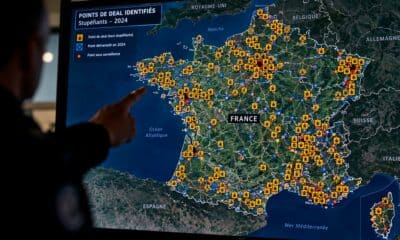
France already has 3,000 cannabis retail outlets. None of them are legal.
-
Cannabis in Thailand4 weeks ago
From the boom in dispensaries to a purely medical approach: Thailand is revising its cannabis policy
-
Cannabis in the U.S.5 days ago
A DEA report confirms that there are no fatal cannabis overdoses
-
Cannabis and driving3 weeks ago
Medical Cannabis and Driving: New South Wales Ends Automatic Penalties for THC
-
Cannabis in France3 weeks ago
France’s Drug Policy Chief Defends Cannabis Prohibition... and Runs Into the Facts















You must be logged in to post a comment Login