
Scientists identify the genes that give cannabis its aromas

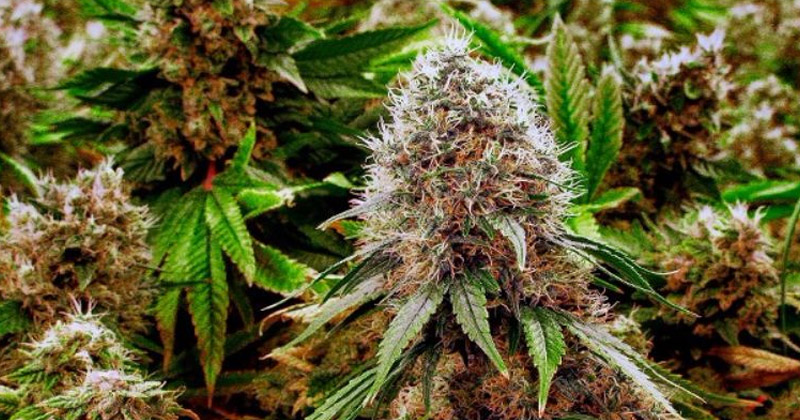
A Breakthrough or a Threat? As with any research, this discovery can be a double-edged sword. Scientists at the University of British Columbia (UBC) have sequenced the genome of cannabis plants in search of the genes responsible for the various citrus, skunk, or earthy aromas found in the many varieties of cannabis.
«The goal is to develop well-defined and highly reproducible cannabis varieties. This process is similar to that of the wine industry, which relies on defined varieties such as Chardonnay or Merlot to produce high-quality products,» explains Jörg Bohlmann, a professor at the Michael Smith Laboratory and a professor of agroforestry at UBC. «Our genomic research can show commercial breeders which genes to focus on to develop specific aromatic qualities.».
This research is part of an ongoing collaboration between a UBC student and professor, and Jonathan Page, who founded the biotechnology and cannabis testing company Anandia Labs.
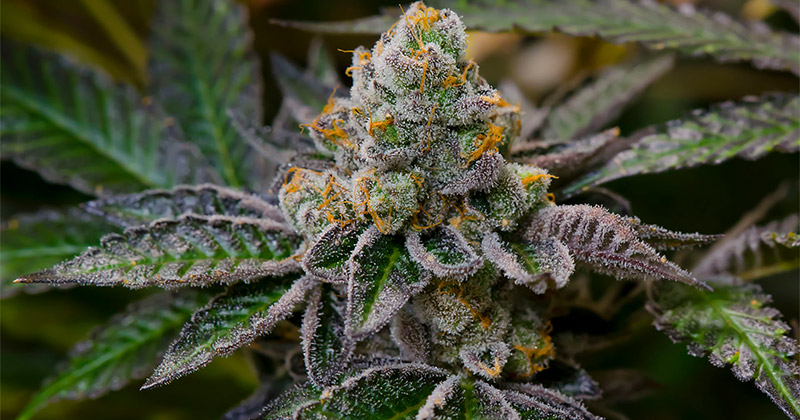
They identified approximately 30 terpene synthase genes—the genes responsible for terpene production—which therefore contribute to the diversity of cannabis aromas. This number is similar to the number of such genes found in grapes used in the wine industry. The genes discovered by the researchers play a role in the terpene production such as limonene, myrcene, or pinene.
«Limonene has a lemony scent, while myrcene has a more earthy scent." »Characteristics of Purple Kush," says Judith Booth, a graduate student at UBC who is working with Anandia Labs as part of her studies.
They also identified the gene that produces the characteristic odor of cannabis, beta-caryophyllene, and that interacts with the cannabinoid receptors in the human body just like the other active ingredients in cannabis.
Bohlmann says that the economic potential of a regulated cannabis industry is enormous, but that the current challenge is that growers are working with crops that are not standardized and vary widely.
«There is a need for stable, high-quality products made from well-defined varieties,» he said.
The researchers also explain that it will be important to examine the extent to which terpenes interact with cannabinoids such as THC or CBD, both of which give cannabis its medicinal properties. Until now, studies have attributed these effects solely to cannabinoids, but it is possible that terpenes also influence the therapeutic efficacy of cannabis.








Contest: Win a trip to Quebec to experience the hemp harvest firsthand

Bedrocan on Hold Amid Uncertainty Over Medical Cannabis

Newsweed Launches Its Own AI
A new tax of 0.5% could disrupt the hemp industry in Canada

Medical Cannabis and Driving: New South Wales Ends Automatic Penalties for THC

China's Yongji Health Takes Control of Tasmanian Botanics

Autism and Cannabis: Results from the First Placebo-Controlled Trial of NTI164

Which countries legalized medical cannabis before France?

From the boom in dispensaries to a purely medical approach: Thailand is revising its cannabis policy

South Korea is preparing to begin local production of medical cannabis to meet rising demand
-
 Cannabis and driving3 weeks ago
Cannabis and CBD: French Drivers Can Now Lose Their License Even Without a Positive Test Result
-

 Cannabis in France6 days ago
Which countries legalized medical cannabis before France?
-
Cannabis in France3 weeks ago
Cannabis Legalization: The LFI Bill Has a Major Problem—THC
-
Cannabis in the Netherlands2 weeks ago
One year after the launch of the Dutch cannabis experiment, the first trends are emerging
-
Business6 days ago
South Korea is preparing to begin local production of medical cannabis to meet rising demand
-
Cannabis in Thailand6 days ago
From the boom in dispensaries to a purely medical approach: Thailand is revising its cannabis policy
-
Cannabis in Argentina2 weeks ago
Argentina Opens Its Market to Hemp Flowers Containing 1% of THC
-
Cannabis in France2 weeks ago
French medical cannabis remains stalled at the Ministry of Health













Sawyer
4 April 2017 at 3 hours 11 minutes
«Standardized» … or the beginning of the commodification of cannabis—and that is exactly what nobody wants.
rivalpo
April 11, 2017 at 2:50 p.m.
It’s time for science to help cannabis breeders standardize and stabilize their strains…and not just the flavors, but also the THC and CBD levels, which can vary wildly even within the same strain. How many of us are disappointed to find that the flavors or levels advertised in the descriptions don’t always match reality? Given how much cannabis seeds cost, seed banks really need to step up their game on this issue.