The resurgence of THCV on the Californian cannabis market

In 1970, researchers at Oxford University stumbled upon a cannabis compound that would remain shrouded in mystery for decades to come. tetrahydrocannabivarin (THCV).
THCV has acquired mythical status among cannabis enthusiasts due to its rarity and the psychedelic effects attributed to it in high doses in certain African landrace strains. However, recent developments in California's legal cannabis market have removed the enigma surrounding THCV and made it more accessible than ever.
The changing landscape of THCV in California
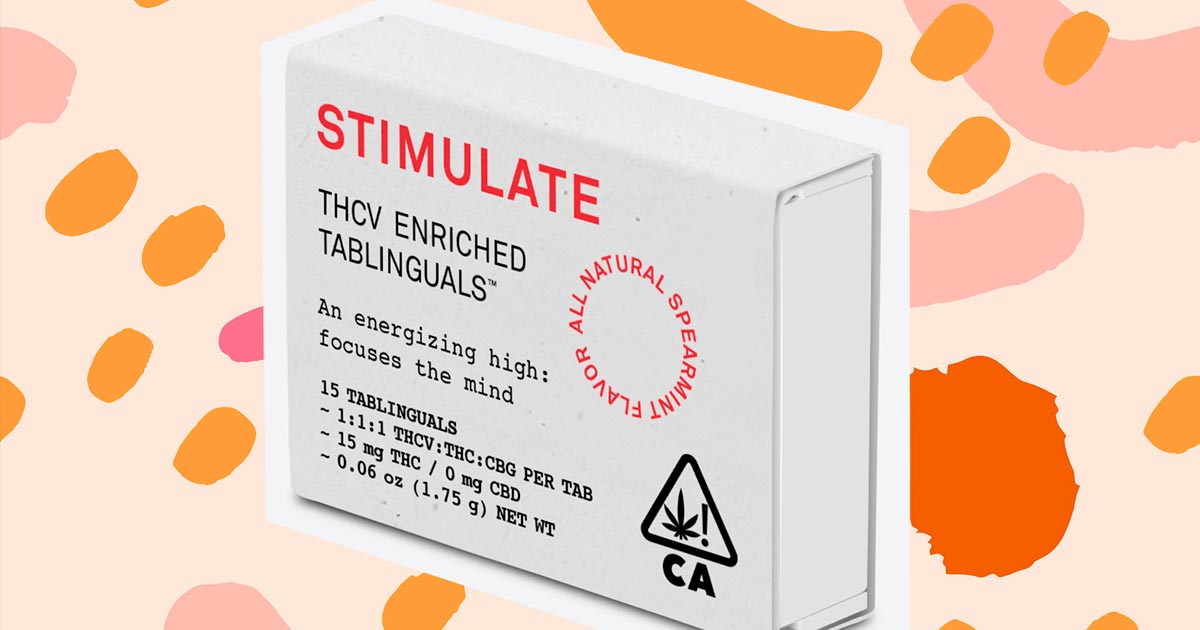
With California being one of the largest US cannabis markets, it's no surprise to see THCV slowly infusing its market, with a notable increase in THCV-infused products. The federal legalization of hemp in 2018 has played a key role in expanding the availability of synthetic cannabinoids, including lab-produced THCV. But also because cannabis cultivation companies have made considerable progress in growing plants naturally rich in THCV, meeting the demand for this elusive compound.
Some brands, such as Kiva, known for its cannabis-infused chocolate bars, is now marketing different THCV-based products in gum form, called «Focus» and «Energy». These products combine THCV with THC and other energy-boosting ingredients such as B vitamins, L-theanine and caffeine.
The science behind THCV
Understanding the science behind THCV helps us to better understand its potential effects. Unlike THC, which partially activates a specific receptor associated with processes such as memory and pain, THCV appears to have the opposite effect, deactivating this receptor. This could explain the reported «anti-high» effects, such as increased alertness and reduced hunger. Limited clinical trials suggest that THCV could reduce short-term memory loss and train energetic« feelings.
On the purely medical side, THCV raises intriguing possibilities. Studies on rodents indicate that THCV can reduce appetite, body weight and resting glucose levels, suggesting its potential in the treatment of metabolic disorders such as diabetes. While promising, it is essential to stress that conclusive results on the effects of THCV in humans are lacking due to the scarcity of in-depth studies.
Despite its potential benefits, THCV has a high price tag, ten times higher than conventional THC. Nicole Daryanani, sales manager at Kiva, acknowledges the high cost but points out that a steady supply from Phylos Bioscience, an Oregon-based breeding company, has contributed to the influx of THCV products into California.
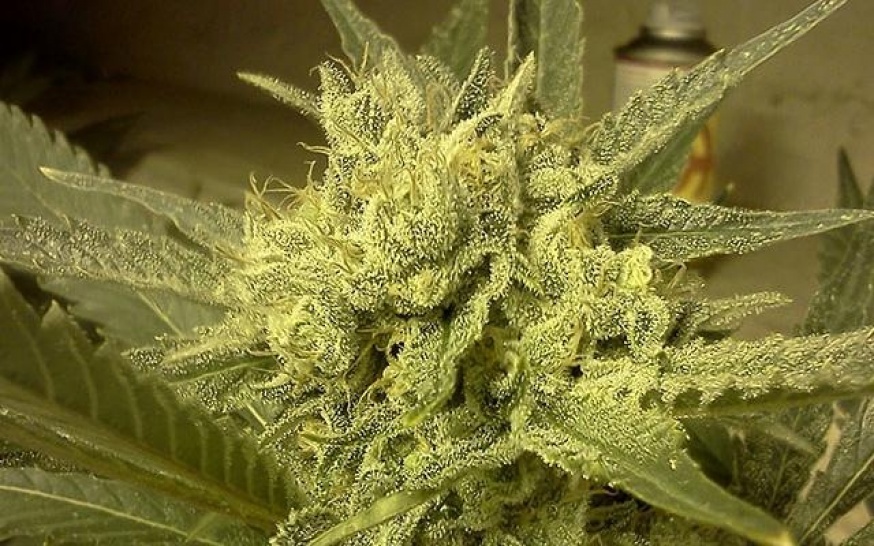
Phylos Bioscience is a key player in the THCV market, selecting cannabis plants for their unique properties. an unprecedented 20% of THCV. The company's CEO, Ralph Risch, explains that the emphasis is on energizing and motivating benefits, to meet the needs of consumers who are looking for more than just a traditional high. Phylos is even funding a clinical trial in California to unravel the mysteries of THCV's effects on humans, with results expected in early 2024.





















«Vincy Gold»: Humboldt Seed Company on the Hunt for Saint Vincent Sativas

Cronos Completes the Acquisition of CanAdelaar for 57.5 million euros

Cannabis with a "bloody" twist: Discover Sensi True Blood and Sensi Sangria, the two new strains from Sensi Seeds

Hemp: The Council of the EU Takes a Stand on New Production and Marketing Rules

Missouri's legal cannabis market accounts for 93 % of consumer spending

THC Gummies: How to Read a Certificate of Analysis Before Buying

British patients now have access to THCV-rich cannabis flowers

Spain: Medical Cannabis Is Coming to About 50 Hospitals

JIHE 2026: Japan’s Largest Trade Show Dedicated to Hemp and CBD Returns to Tokyo with More Than 100 Industry Players

New Caledonia: The Courts Clear the Way for the Return of CBD
-
 Business3 weeks ago
The legal cannabis market in New York exceeds 4 billion $ in revenue
-
Cannabis in France1 week ago
France already has 3,000 cannabis retail outlets. None of them are legal.
-
Cannabis in the U.S.1 week ago
A DEA report confirms that there are no fatal cannabis overdoses
-

 Cannabis and driving4 weeks ago
Medical Cannabis and Driving: New South Wales Ends Automatic Penalties for THC
-
Cannabis in France3 weeks ago
France’s Drug Policy Chief Defends Cannabis Prohibition... and Runs Into the Facts
-
Studies on cannabis2 weeks ago
Cannabis Oil and Endometriosis: A Promising Study for Pain Relief
-
CBD2 weeks ago
In Brazil, researchers are developing an innovative CBD eye drop
-
Autism4 weeks ago
Autism and Cannabis: Results from the First Placebo-Controlled Trial of NTI164















You must be logged in to post a comment Login