

Will THCV be the new CBD?

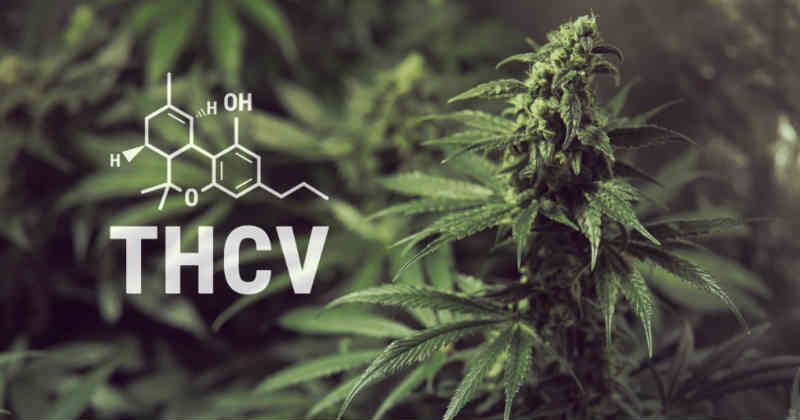
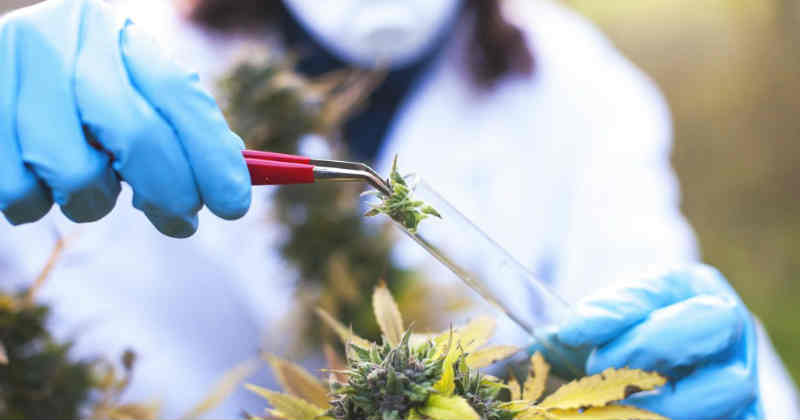
A California-based pharmaceutical consortium specializing in medical cannabis is currently breeder cannabis strains to get more THCV, a rare cannabinoid found only in trace amounts in most of the strains we know, but whose medicinal properties are proving to be very promising. The consortium aims to produce THCV-based medications and have them approved by the FDA. However, they are not alone: they are competing with the British laboratory GW Pharmaceuticals.
A rare cannabinoid
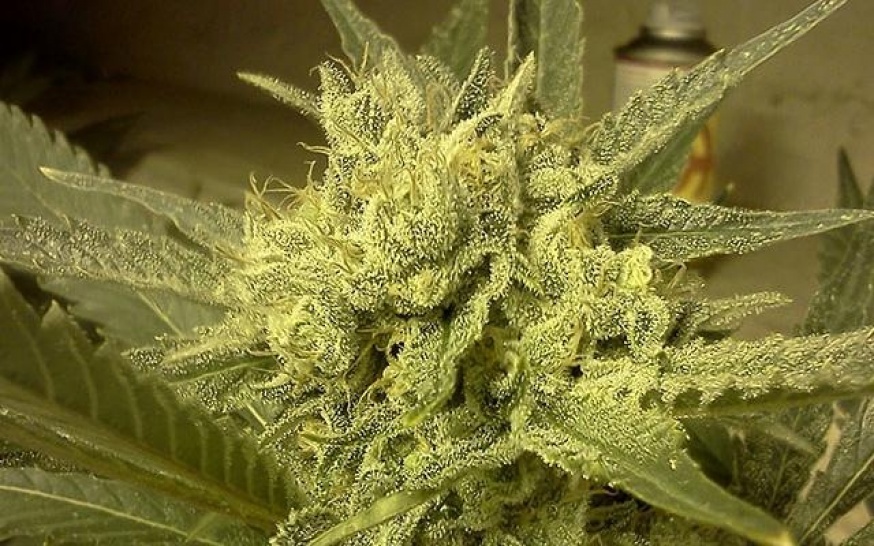
George Bianchini, founder of the medical cannabis company and a member of the Medi-Cone consortium, explains that he stumbled upon a cannabis strain that produces relatively high levels of THCV while he was trying to maximize the effect of terpenes to enhance the weed’s flavor and make it more marketable. After conducting laboratory tests on the strain in question, he discovered that it had only a low THC content, no CBD, and a THCV content of 3.51%, which is abnormally high.
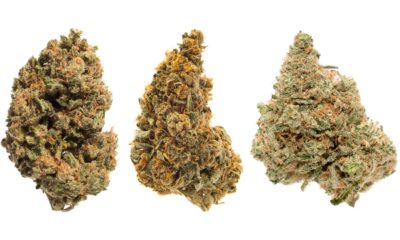
These THCV-rich varieties likely originated in sub-Saharan Africa, but as the trend of breeding Since the goal is generally to maximize the THC content, these strains haven’t been very successful. «What we’ve done is reverse this trend, still by breeding, »And [Black Beauty] was the first variety we developed. Now we’ve developed four distinct genotypes,” explains Bianchini.
A cannabinoid with promising medicinal properties
THCV, or tetrahydrocannabivarin, has a molecular structure and properties similar to those of THC; it binds to the same receptors without producing exactly the same effects. Some say it is psychoactive, others say it is not, but, in principle, it does not get you «high» like THC. Unlike THC, it is said to curb the appetite and therefore be useful in treating obesity. However, there is still a lack of scientific evidence to support these claims. On the other hand, there is conclusive evidence of its effectiveness in treating diabetes, a condition for which The island nation of Vanuatu has specifically decided to legalize medical cannabis.
In 2012, a study published in the American Journal of Pathology suggested that it was a promising compound because it could reduce inflammation and oxidative stress, key processes in the development of diabetic complications. In 2016, Diabetes Care journal believed it could help control blood sugar levels in people with type 2 diabetes. In 2013, a study on mice published in the journal Nature’s Nutrition & Diabetes had reached the same conclusions. In particular, it had been partially funded by the laboratories GW Pharmaceuticals where some researchers were employees or shareholders.
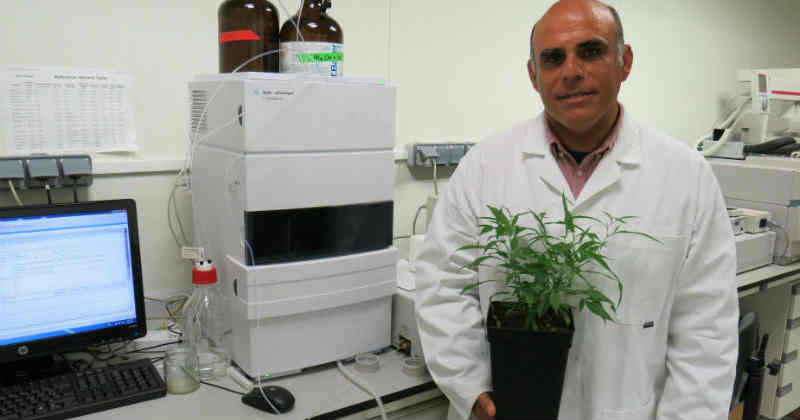
Dr. Michael Moskowitz, the founder of the research consortium, is currently studying the effects of THCV on this type of diabetes. He is very confident about the cannabinoid’s medicinal properties: «The only thing THCV does is act as an analgesic and anti-inflammatory, a neuroprotective agent—meaning it protects the nervous system—and an antiemetic. It supports bone health and formation, aids sleep, and has antiepileptic and anxiolytic effects. It’s a major antipsychotic. It helps suppress appetite, and it’s anti-diabetic and anti-cholesterol. Other than that, it doesn’t do much,» jokes Moskowitz.
The pharmaceutical race
This molecule appears to have a promising future in the medical cannabis market. Researchers in the consortium hope it will enjoy the same success as CBD and may even be approved by the FDA as specific medications – as was the case with Epidiolex, a CBD oil produced by GW Pharmaceuticals. “Our goal is to compete directly GW Pharmaceuticals »because we have the patents, the technology, and the expertise to do it.".
GW Pharmaceuticals is also conducting research on THCV as a potential treatment for a variety of conditions, including diabetes, schizophrenia, epilepsy, and Alzheimer’s disease. For its part, the biopharmaceutical company Liposome Formulations, a member of the consortium, announced this week the release of several new drugs including a THCV pill. Another of its products, a drug intended to treat osteoarthritis, is currently undergoing FDA clinical trials.
The main issue with THCV is likely its production, as its concentration in the plant remains relatively low, resulting in high costs. Bianchini is therefore currently attempting to create a variety with a low THC content in order to produce THCV hemp. This would help reduce production costs (since hemp is less heavily regulated than marijuana), especially since the U.S. Congress is currently debating the Farm Bill 2018 and is expected to legalize hemp at the federal level soon.


















The «cannabis» fine raised to 500 euros under the RIPOST Act

Sacha Baron Cohen Brings Ali G Back to Life During a Surprise Appearance at Wimbledon

Botswana Paves the Way for Commercial Hemp Cultivation

The First Authorized Medical Cannabis Cultivation in the Canary Islands

Germany Ends Public Health Insurance Coverage for Medical Cannabis Flowers

Cannabis Legalization in Pennsylvania Once Again on Hold

Democratic senators are reviving a bill to legalize cannabis at the federal level in the United States

A THC:CBD oil shows promising results in reducing agitation in people with dementia

San Francisco Allows «Cannabis Cafés»

Kenya Denies Rastafarians the Right to Use Cannabis
-

 Cannabis in Europe4 weeks ago
Bosnia and Herzegovina Continues to Roll Out Medical Cannabis Following Its Legalization
-
Cannabis in France4 weeks ago
France Submits the Long-Awaited Decree on the Reimbursement of Medical Cannabis to the Council of State
-
Cannabis in the U.S.4 weeks ago
The DEA Begins Hearings on the Federal Rescheduling of Cannabis
-
Business3 weeks ago
China Invests $10 Million in Medical Cannabis in Lebanon
-
Cannabis in Thailand4 weeks ago
Thailand Threatens Cannabis Shops with Severe Penalties
-
Cannabis in Australia2 weeks ago
South Australia is working to identify more water-efficient hemp varieties
-
Exchange4 weeks ago
Glass House will be the second U.S. cannabis company to list on the New York Stock Exchange
-
Cannabis in Africa2 weeks ago
Kenya Denies Rastafarians the Right to Use Cannabis















You must be logged in to post a comment Login