Strain Hunters and Africa

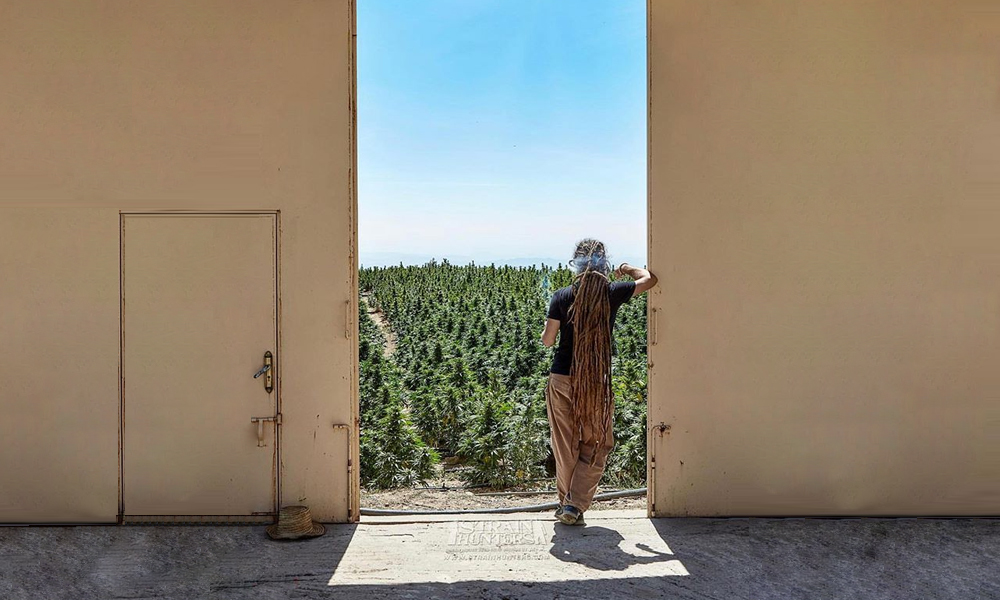
Africa is the cradle of humanity, and its resources are more diverse and richer than any other continent. On the other hand, it is also involved in numerous political conflicts and abuses on the part of third parties and African politicians, leaving most of the continent bloodless, in an unstable and unbalanced state of development.
A greener Africa for a stronger Africa
The aim of the Strain Hunters is to visit all the places where cannabis has been used for centuries and to seek out local varieties.“landraces”to preserve them. The ultimate aim is to make them available to growers around the world who are unable to travel to these remote locations to collect unique, endemic strains.
The adventures of Strain Hunters began on the African continent, with their expedition to Malawi, more than 10 years ago. Africa would be one of the first places cannabis reached once it left Asia, making the Dark Continent one of the best places to look for truly preserved genotypes.
Strain Hunters began work in Africa over two years ago with a small team from the local Rasta federation, with a basic knowledge of the culture. The project now involves several countries and over 120 people working on different projects that could transform Africa into a whole new continent.
The program is primarily educational, and is aimed at the entire population, including governments. In particular, it informs people about the advantages and possibilities of cannabinoids and how cannabis could benefit their countries in many ways, especially on the global market with the export of medical cannabis.
Clinical trials coming soon
With this approach, the Strain Hunters Foundation has signed official national collaboration agreements with universities and medical laboratories. Clinical trials will soon begin, in cooperation with the Department of Health and Strain Hunters' medical arm, GH Medical. The tests will be based on plants, selected over the years, with different ratios CBD, THC, THCV, CBG and other cannabinoids.
The focus will be on the main diseases affecting Africa, such as HIV, malaria, dengue fever... but also on other conditions such as PTSD or schizophrenia, for which alternative treatments are likely to contribute to the fight against these diseases, or to relieve suffering and give patients a better quality of life.
Over the past two years, the Strain Hunters Foundation has established a solid African base, training and educating the local community on how to grow crops, which products can be used, and which products are dangerous and should be avoided.
Focus on the local economy
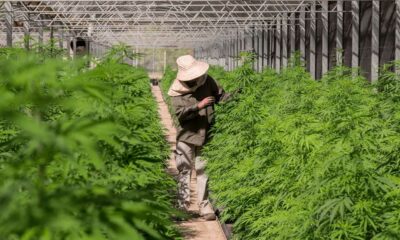
100% of the team is made up of local workers, managers and agronomists. The products used, such as wood, food, tools, guano... 95% of them come from the local population. Only certain specific horticultural parts, such as pots or propagation equipment, which are difficult to find in large quantities in rural areas, are currently imported and then reused.
All these elements combine to create a stronger rural community and economy that benefits everyone.
In addition to education, the infrastructure of the villages around the plantations has also been improved, enabling people to access markets more easily and sell their local produce to a wider audience, creating more jobs in the region.
Water being one of the most important elements, one of the first things we did in the area was to create access to a drinking water source and contribute to the construction of a sand, stone and charcoal filter. A water reservoir is now accessible, with clean water replacing that from the river, which often carries bacteria and disease.
A climate conducive to cannabis cultivation
In addition to all the genetics collected over the last 30 years during their expeditions, Strain Hunters was offered African genetics to preserve and launch this project.
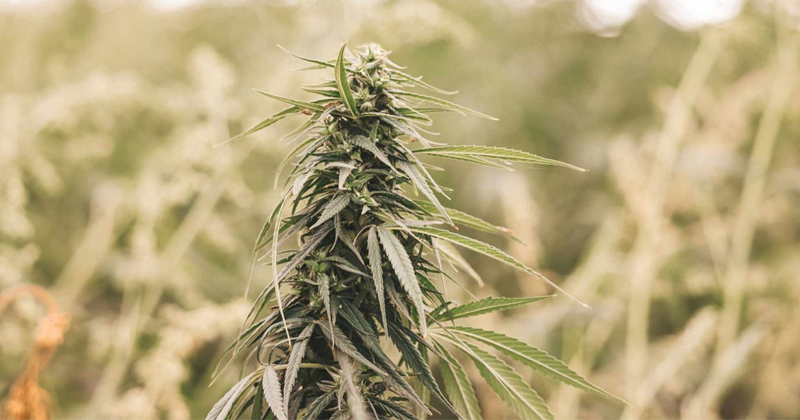
The space available and the ideal climate made it possible to plant tens of thousands of seeds at a time, examining many different generations of the same strain and selecting the best phenotypes.
From the landraces, some plants with very interesting and promising cannabinoid profiles, such as high THCV or high CBD, have been set aside. In the near future, these cannabinoids will be extracted locally and used in clinical trials.
Africa is already opening up to cannabis, and could be the the next green continent. Attitudes are changing in countries such as Swaziland, Malawi and the Democratic Republic of Congo. Lesotho, which set in motion a change in the regulation of cannabis for medical purposes.
Strain Hunters aims to help local communities develop, by helping to change the way people think about this plant, in particular by opiate replacement, and to create profitable alternatives with cannabis.
And as Franco liked to say: Fullgas!













Medical Cannabis in Germany: THC Prices Vary by a Factor of 12

France already has 3,000 cannabis retail outlets. None of them are legal.

Morocco's exports of legal cannabis have expanded to 15 countries

Aurora Cannabis Doubles Its Production Capacity in Germany

Tilray is accelerating its operations in Europe thanks to a license in Portugal

Boston will host the 10th annual State of the Cannabis Industry Conference on October 26

A DEA report confirms that there are no fatal cannabis overdoses

A British patient is challenging the NHS's refusal to reimburse medical cannabis

October 2026 CBD Highlights: 10 Strains and Hash to Discover from 5 French Producers

CBD in France: Traceability, Retail Stores, THC and Driving… What the New Bill Proposes
-
 Business2 weeks ago
The legal cannabis market in New York exceeds 4 billion $ in revenue
-

 Cannabis in France3 weeks ago
Which countries legalized medical cannabis before France?
-
Business3 weeks ago
South Korea is preparing to begin local production of medical cannabis to meet rising demand
-
Cannabis in Thailand3 weeks ago
From the boom in dispensaries to a purely medical approach: Thailand is revising its cannabis policy
-
Cannabis and driving3 weeks ago
Medical Cannabis and Driving: New South Wales Ends Automatic Penalties for THC
-
Cannabis in Argentina4 weeks ago
Argentina Opens Its Market to Hemp Flowers Containing 1% of THC
-
Autism3 weeks ago
Autism and Cannabis: Results from the First Placebo-Controlled Trial of NTI164
-
Cannabis in France2 weeks ago
France’s Drug Policy Chief Defends Cannabis Prohibition... and Runs Into the Facts
















You must be logged in to post a comment Login