New study analyzes effects of THCV and CBD on weight loss


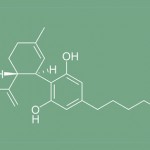
A new study has provided a better understanding of effects of cannabinoids, THCV and CBD in particular, on the loss of weight.
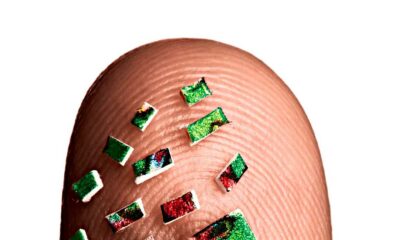
Published in Cannabis, the research entitled « Weight Loss and Therapeutic Metabolic Effects of Tetrahydrocannabivarin (THCV)-Infused Mucoadhesive Strips » (Weight loss and therapeutic metabolic effects of tetrahydrocannabivarin (THCV)-infused mucoadhesive strips) explores the impact of these compounds on metabolic syndrome through a controlled trial involving orally administered strips.
Understanding metabolic syndrome
The metabolic syndrome is a group of conditions that increase the risk of heart disease, stroke and diabetes. It is characterized by fat accumulation leading to an inflammatory response, insulin resistance, dyslipidemia, hypertension and fatty liver. Lifestyle factors, such as overweight and obesity, can also play a role. poor diet and lack of exercise, contribute significantly to metabolic syndrome.
According to the’World Health Organization, By 2022, around 2.5 billion adults were considered overweight and 890 million obese. In the US, CDC data between 2017 and March 2020 indicate that 41.9 % of adults over 20 are obese.
The role of the endocannabinoid system
The endocannabinoid system (SEC) in the human body plays a crucial role in regulating energy balance and appetite. Previous research has confirmed the positive effects of the endocannabinoid system on energy homeostasis. The aim of this study was to understand how phytocannabinoids such as THCV and CBD may influence metabolic syndrome, potentially offering new avenues of treatment.
Study design and methodology
The study included 44 participants (31 women and 13 men) with an average age of 51.75 years. Participants were divided into groups receiving either a low dose (8 mg THCV/10 mg CBD), a high dose (16 mg THCV/20 mg CBD) or a placebo. These doses were administered daily via mucoadhesive oral strips for 90 days.
Main results
The researchers reported significant results in the THCV/CBD groups. « L’use of the THCV/CBD band was associated with statistically significant weight loss, a reduction in abdominal circumference, systolic blood pressure and total and LDL cholesterol», they explain.
The higher dose (16 mg THCV/20 mg CBD) was particularly effective in promoting weight loss compared to the lower dose (8 mg THCV/10 mg CBD), with both showing statistically significant differences compared to the placebo group.
Historical background to THCV research
The THCV was discovered by Edward Gill and his team in 1970, at a time when cannabis tinctures were recognized as medicines in the UK. Although removed from the British Pharmaceutical Codex in 1932, they remained there until 1949.
Gill's discovery was followed by studies by Frans Merkus, who formally identified the compound as THCV.
Subsequent animal studies revealed the potential of THCV in the fight against obesity. A 2013 study by GW Pharmaceuticals showed that the THCV increased energy expenditure in mice, highlighting its unique pharmacology, which differs from that of reverse agonists/antagonists of CB1 receptor.
Recent studies and implications
Other research has supported the case for THCV as a treatment for metabolic disorders. A 2016 study by GW Pharmaceuticals suggested that the THCV could reduce «resting-state functional connectivity» and improve «connectivity in the cognitive control network», indicating benefits for obesity. A study carried out in 2020 reinforced these findings, highlighting THCV's potential for neuroprotection, appetite suppression and glycemic control.
Beyond metabolic syndrome, THCV has shown promise in the treatment of conditions such as Parkinson's disease, schizophrenia, cancer, pain, inflammation and intractable epilepsy. THCV's vast therapeutic potential underlines its importance in medical research and treatment development.
Recent Phylos study on THCV
In February, Phylos, a cannabis genetics company, announced the results of its THCV study using its «Natural Natural™ THCV» product. Alisha Holloway, PhD, Phylos' chief scientific officer, emphasized the importance of their results.
«This study signifies a pivotal moment for the cannabis industry in understanding the effect of THCV in combination with THC,» said Holloway. The study enables Phylos to leverage its unique plants to develop targeted cannabis products, offering new insights into the efficacy of natural cannabinoids.




























JIHE 2026: Japan’s Largest Trade Show Dedicated to Hemp and CBD Returns to Tokyo with More Than 100 Industry Players
New Caledonia: The Courts Clear the Way for the Return of CBD

The Brazilian medical cannabis market continues to grow

Morocco: Three Cannabis-Based Medications Approved for the Treatment of Epilepsy

Canopy Growth Receives New EU-GMP Certification to Strengthen Its Presence in Europe

Three years after legalizing medical cannabis, Albania continues to establish regulations for it

The first plant-based medical THC spray arrives in the United Kingdom

Medical Cannabis in Germany: THC Prices Vary by a Factor of 12

France already has 3,000 cannabis retail outlets. None of them are legal.

Morocco's exports of legal cannabis have expanded to 15 countries
-
 Business2 weeks ago
The legal cannabis market in New York exceeds 4 billion $ in revenue
-

 Cannabis in France4 weeks ago
Which countries legalized medical cannabis before France?
-
Business4 weeks ago
South Korea is preparing to begin local production of medical cannabis to meet rising demand
-
Cannabis in France4 days ago
France already has 3,000 cannabis retail outlets. None of them are legal.
-
Cannabis in Thailand4 weeks ago
From the boom in dispensaries to a purely medical approach: Thailand is revising its cannabis policy
-
Cannabis in the U.S.5 days ago
A DEA report confirms that there are no fatal cannabis overdoses
-
Cannabis and driving3 weeks ago
Medical Cannabis and Driving: New South Wales Ends Automatic Penalties for THC
-
Cannabis in France3 weeks ago
France’s Drug Policy Chief Defends Cannabis Prohibition... and Runs Into the Facts

















fabien
May 22, 2024 at 9 h 30 min
The study published in the journal Cannabis offers an encouraging insight into the potential of THCV for the management of metabolic syndrome and obesity. Results show that THCV/CBDtech administration can lead to significant weight loss and improved metabolic markers in overweight and obese adults