Is cannabis really more potent than before?

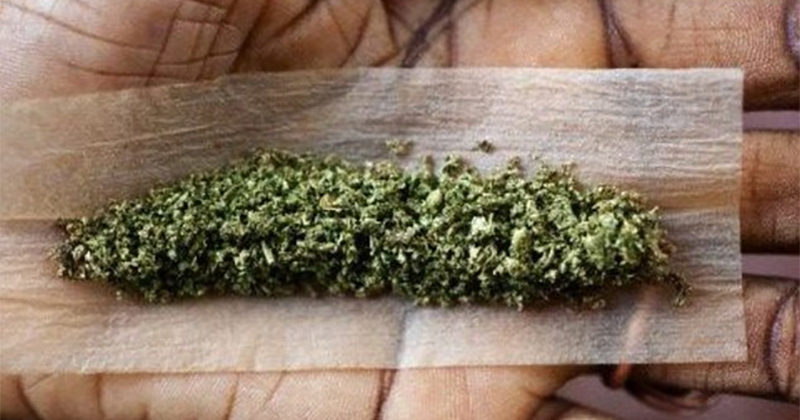
The debate surrounding the potency and THC content of cannabis often comes up: cannabis is said to be three to four times more potent today than it was in the 70s. But is it really true?
Some say it plain and simple, even though they've never smoked. Others argue that the way cannabis is consumed is changing, and that most people are shooting smaller lattes. In any case, this alleged increase in cannabis potency is frightening.
The THC is the main cannabinoid in cannabis, but not the only active substance. This would be to overlook the cannabidiol or CBD which also has relaxing and analgesic effects, without the psychoactive effects of THC. In fact, it limits the psychoactive action of THC, while enhancing its therapeutic properties, in what is known as entourage effect. Cannabis inevitably contains both of these components, in ratios that vary from one variety to another.
Since the development of cultivation techniques, sometimes on an industrial scale, THC levels have risen in relation to CBD levels. A study compared 38,681 cannabis samples between 1995 and 2014. Between these two dates, the average THC rose from 4 % to 12%. In 1995, THC stood at 14% of CBD in cannabis (a THC/CBD ratio of 0.14:1). Today, THC is around 80% of the CBD content in cannabis extracts (a ratio of 0.8:1).
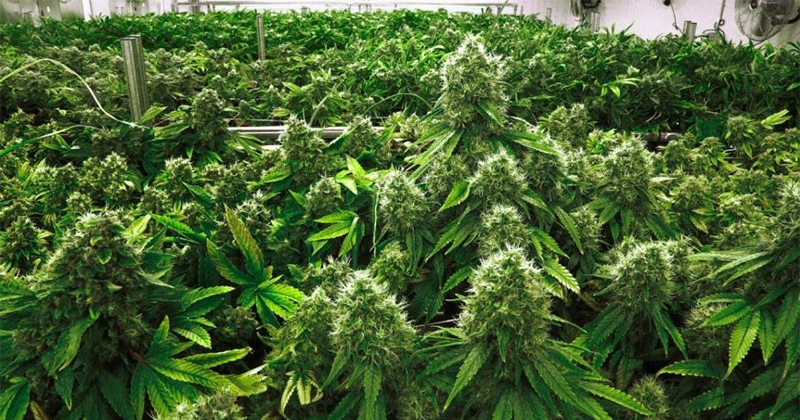
These increases in THC content are partly due to the genetic mixes developed by cannabis growers, but also to improved production techniques: hydroponics, fertilizers, indoor cultivation with lamps and fans. These strains have nothing in common with the sun-and-water-fed plant.
Moreover, studies are based solely on cannabis seized by customs or during police raids. Very few studies concern home-grown cannabis by amateur gardeners, even if the search for more potent varieties also exists in this area.
THC content increases but dose decreases
If politicians are concerned about this rise in THC content, they are not taking into account the average content of a joint. In countries where cannabis is still illegal, the average joint contains around 0.3 grams of cannabis. In the 70s and 80s, the average content of a joint was around of 1 gram. This allowed our elders to smoke their precious sesame pure. THC levels were multiplied by 3 but the dose divided by 2.5. This would imply a small change in ingested THC.
What's more, a regular smoker knows the dose needed to obtain the desired effect. The danger lies more with first-time users who are unfamiliar with their product or their tolerance to cannabis.
Another limiting factor is the price of cannabis. The price has risen considerably over the past 20 years. In the 80s, cannabis smokers were paid 10 francs a gram, or less than €2. Today, it costs around €10 a gram on the black market. This rise in price, which can be a brake for some, is due to the increase in demand, but also to the risk factor and the costs associated with indoor cultivation, which admittedly takes less time than outdoor cultivation, but consumes a lot of electricity.
In countries where cannabis is regulated, consumers have a choice of product. Labelling is compulsory, indicating THC content, potential effects and price. In these countries, where varieties with very high THC content are on sale, long-term studies are still lacking. The consequences of frequent consumption of high-dose cannabis will need to be studied over the next 10 years.
Théo Caillart







Medical Cannabis in Germany: THC Prices Vary by a Factor of 12

France already has 3,000 cannabis retail outlets. None of them are legal.

Morocco's exports of legal cannabis have expanded to 15 countries

Aurora Cannabis Doubles Its Production Capacity in Germany

Tilray is accelerating its operations in Europe thanks to a license in Portugal

Boston will host the 10th annual State of the Cannabis Industry Conference on October 26

A DEA report confirms that there are no fatal cannabis overdoses

A British patient is challenging the NHS's refusal to reimburse medical cannabis

October 2026 CBD Highlights: 10 Strains and Hash to Discover from 5 French Producers

CBD in France: Traceability, Retail Stores, THC and Driving… What the New Bill Proposes
-
 Business2 weeks ago
The legal cannabis market in New York exceeds 4 billion $ in revenue
-

 Cannabis in France3 weeks ago
Which countries legalized medical cannabis before France?
-
Business3 weeks ago
South Korea is preparing to begin local production of medical cannabis to meet rising demand
-
Cannabis in Thailand3 weeks ago
From the boom in dispensaries to a purely medical approach: Thailand is revising its cannabis policy
-
Cannabis and driving3 weeks ago
Medical Cannabis and Driving: New South Wales Ends Automatic Penalties for THC
-
Cannabis in Argentina4 weeks ago
Argentina Opens Its Market to Hemp Flowers Containing 1% of THC
-
Autism3 weeks ago
Autism and Cannabis: Results from the First Placebo-Controlled Trial of NTI164
-
Cannabis in France2 weeks ago
France’s Drug Policy Chief Defends Cannabis Prohibition... and Runs Into the Facts

















You must be logged in to post a comment Login