
More Americans are using cannabis, but fewer are abusing it

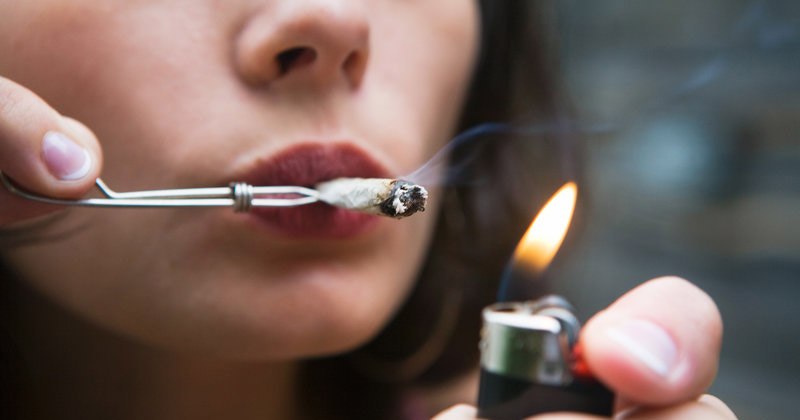
According to a new federal report, abuse and cannabis addiction are declining in the United States, even in states that are easing restrictions or legalizing drug use.
In 2014, the percentage of Americans aged 12 and older who met the criteria for cannabis abuse or dependence was 1.6%. This rate was 1.8% in 2002. The sharpest decline occurred among adolescents (-37%) and young adults (-18%). Among other age groups, the change was not statistically significant according to the Centers for Disease Control and Prevention (CDC), which conducted the study.
These figures come from a large national study on drug use and health involving 900,000 people. Respondents were considered to be dependent on cannabis if they reported having «emotional and health problems related to cannabis use, spending a lot of time on cannabis-related activities, or using cannabis in large quantities or for longer than originally intended.».
Similarly, respondents were considered to be in a situation of abuse if they reported having «problems at work, at home, at school, problems with family or friends, or legal problems because of cannabis.».
The study does note, however, that cannabis abuse or dependence is relatively rare among users: only 11.9% were classified as having at least one of these conditions. This rate has decreased by 30% since 2002, when it stood at 16.7%.
Cannabis dependence or abuse is therefore becoming less common, even though More and more Americans are consuming it. Typically, researchers expect an increase in abuse and dependence to coincide with increased consumption. The authors of the CDC study suggest that changes in medical cannabis laws may explain part of this contradictory finding: « With legal changes regarding medical cannabis—and in particular state policies that allow limited access to strains with low THC or CBD content—people who use cannabis daily for medical reasons may be using strains that pose a lower risk of dependence or abuse.».
It is also likely that changes in the law and attitudes toward cannabis will help reduce some of the behavioral problems that lead to abuse or dependence. One of the criteria for abuse, for example, is «problems with the law» related to the drug. When the law permits use, fewer users will therefore meet this criterion.
Americans also view cannabis as less risky. In 2002, 38.3% believed there was a «high risk of harm» from using cannabis monthly. By 2014, that percentage had dropped to 26.5%. The percentage of Americans who believe there is «no risk» rose from 10% to 19.9%. Perceptions have thus evolved alongside the law.
These statistics come at just the right time. The Voters in five states will vote in November whether or not to legalize cannabis in their state.







Medical Cannabis and Driving: New South Wales Ends Automatic Penalties for THC

China's Yongji Health Takes Control of Tasmanian Botanics

Autism and Cannabis: Results from the First Placebo-Controlled Trial of NTI164

Which countries legalized medical cannabis before France?

From the boom in dispensaries to a purely medical approach: Thailand is revising its cannabis policy

South Korea is preparing to begin local production of medical cannabis to meet rising demand

In the United States, cannabis use among high school students has reached an all-time low

Medical cannabis use surges by 64 % in Denmark

Canopy Growth Enters the U.K. Market with Four Canadian Strains

CBD: Full-Spectrum Extracts Under Threat in Greece
-
 Cannabis and driving2 weeks ago
Cannabis and CBD: French Drivers Can Now Lose Their License Even Without a Positive Test Result
-
Cannabis in France3 weeks ago
Cannabis Legalization: The LFI Bill Has a Major Problem—THC
-

 Cannabis in France1 day ago
Which countries legalized medical cannabis before France?
-
Cannabis in the Netherlands2 weeks ago
One year after the launch of the Dutch cannabis experiment, the first trends are emerging
-
Cannabis in France2 weeks ago
French medical cannabis remains stalled at the Ministry of Health
-
Cannabis in Argentina1 week ago
Argentina Opens Its Market to Hemp Flowers Containing 1% of THC
-
Business2 weeks ago
The United Kingdom Is Moving Closer to a Regulated CBD Market
-
Cannabis in France1 week ago
Rima Hassan: When «Drugs» Become a Political Weapon













You must be logged in to post a comment Login