Paraguay seeks to raise THC limit for hemp production

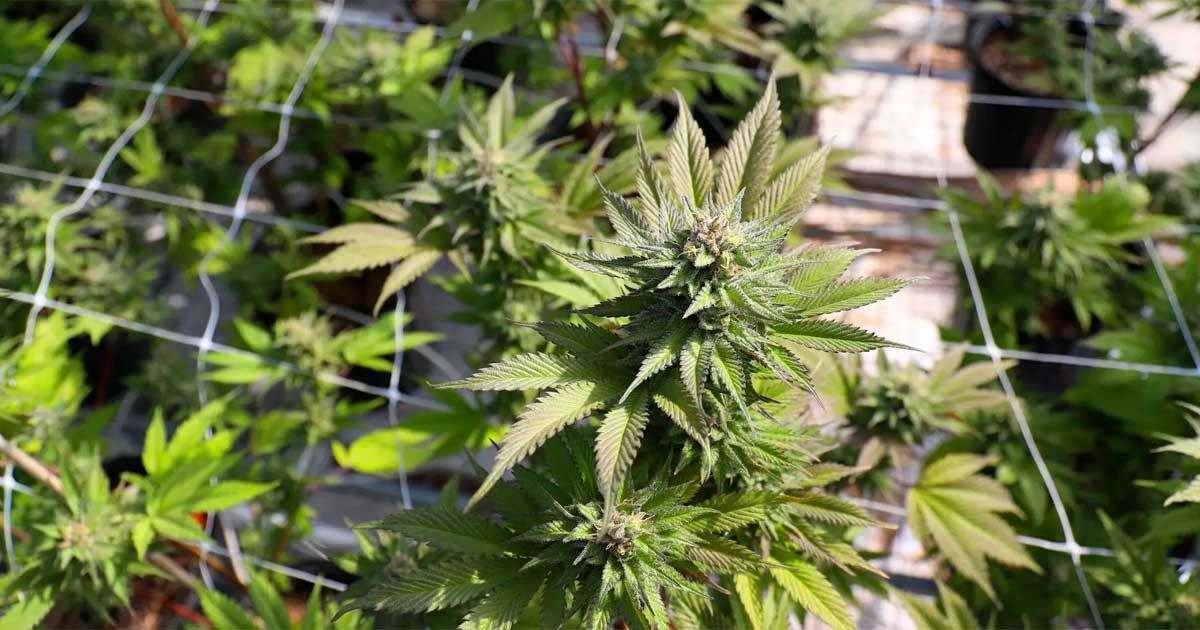
The Paraguayan Chamber of Industrial Cannabis (CCIP) proposed increasing the THC limit in hemp in order to facilitate the export of raw materials and value-added products.
The proposal, led by the CCIP president , Marcelo Demp, is developed in close collaboration with key government agencies, including the Ministry of Agriculture and Livestock (MAG), the National Anti-Drug Secretariat (SENAD)) and the Ministry of Industry and Commerce (MIC).
The reform is currently being considered by the Paraguayan Congress and reviewed by the Senate Committee on Combating Drug Trafficking.
Aligning with International Markets
One of the main objectives of the reform is to adapt Paraguay’s cannabis regulations to bring them into line with international markets, particularly the United States. The current THC limit for hemp flowers is 0,5%, a threshold that, according to the industry, limits competitiveness in global markets.
According to Marcelo Demp, the raising the THC limit would allow Paraguayan producers to gain access to markets such as the the United States, the Netherlands, the United Kingdom, and Australia and other regions where demand for cannabis-derived products continues to rise.
Mr. Demp emphasized the importance of adopting business models similar to those implemented in the United States, where the authorized clinics ensure transparency and oversight of cannabis products.
«Dispensaries are facilities that have traceability, a management system, safety protocols, and health records. This means that cannabis-derived products can be inspected and monitored, whether they are non-psychoactive (foods and cosmetics) or psychoactive,» said Mr. Demp.
Economic and Social Benefits of the Reform
The proposed changes could have significant economic, social, and environmental impacts. By encouraging the’industrialization and exports, Paraguay hopes to make substantial gains in terms of tax revenue, with non-psychoactive products being subject to a selective consumption tax of 5% and psychoactive substances to a tax of up to 18%.
Beyond the economic benefits, Mr. Demp emphasized the role of the reform in improving public safety by reducing related crime to the illegal cannabis markets.
«The goal is not to stimulate consumption, but rather to control it. Thus, production is directed toward approved industries, and value added is generated for export,» he explained.
With appropriate regulation and oversight, the approved clinics would ensure safe and legal access to finished products, while ensuring compliance with health and safety standards. This system would also encourage the sustainable cannabis production and would reduce the risks associated with unregulated markets.
Cannabis Exports from Paraguay: Strong Demand in Europe
According to Marcelo Demp, the entire cannabis flower production scheduled for 2024 has already been purchased by the European market.
The success of this agreement stems from previous efforts, when samples of cannabis flowers were sent to Europe. The exceptional quality of Paraguayan cannabis prompted European entrepreneurs to travel to Paraguay, where they finalized the purchase and introduced cutting-edge technologies to improve product preservation and transportation.
One of the main innovations introduced is the freeze-drying, a process that allows you to freeze cannabis flowers fresh to -30 degrees in refrigerated containers. This technology ensures that the flowers retain their freshness and quality during transport.
The plantations that supply this blend are located in regions such as Areguá, Nueva Italia, Iruña, and Hernandarias. Although total production volume may vary depending on crop yields, initial estimates project a minimum production of 5 metric tons per hectare, with potential revenue reaching 25,000 per hectare.
Despite this success, Mr. Demp has emphasized the need to increase production to address the request growing of Europe. The CCIP is actively seeking new producers to join the industry and step up cultivation efforts.
«The goal is to increase production capacity and strengthen Paraguay's position in this rapidly expanding global sector,» said Mr. Demp.
Exponential Growth of Paraguay’s Cannabis Industry
Since the approval of the Legislation on industrial hemp in 2019, Paraguay's cannabis industry has experienced exponential growth. In recent years, the country has exported more than 600 metric tons of cannabis products and raw materials to international markets. This success demonstrates Paraguay’s ability to compete on a global scale and its growing reputation as a reliable producer of industrial hemp.
The industry has also diversified its product offerings, including innovative cannabis-derived products such as gummies and herbal teas. This diversification further strengthens Paraguay's position as a key player in the market worldwide cannabis.

















«Vincy Gold»: Humboldt Seed Company on the Hunt for Saint Vincent Sativas

Cronos Completes the Acquisition of CanAdelaar for 57.5 million euros

Cannabis with a "bloody" twist: Discover Sensi True Blood and Sensi Sangria, the two new strains from Sensi Seeds

Hemp: The Council of the EU Takes a Stand on New Production and Marketing Rules

Missouri's legal cannabis market accounts for 93 % of consumer spending

THC Gummies: How to Read a Certificate of Analysis Before Buying

British patients now have access to THCV-rich cannabis flowers

Spain: Medical Cannabis Is Coming to About 50 Hospitals

JIHE 2026: Japan’s Largest Trade Show Dedicated to Hemp and CBD Returns to Tokyo with More Than 100 Industry Players

New Caledonia: The Courts Clear the Way for the Return of CBD
-
 Business3 weeks ago
The legal cannabis market in New York exceeds 4 billion $ in revenue
-
Cannabis in France1 week ago
France already has 3,000 cannabis retail outlets. None of them are legal.
-
Cannabis in the U.S.1 week ago
A DEA report confirms that there are no fatal cannabis overdoses
-

 Cannabis and driving4 weeks ago
Medical Cannabis and Driving: New South Wales Ends Automatic Penalties for THC
-
Cannabis in France3 weeks ago
France’s Drug Policy Chief Defends Cannabis Prohibition... and Runs Into the Facts
-
Studies on cannabis2 weeks ago
Cannabis Oil and Endometriosis: A Promising Study for Pain Relief
-
CBD2 weeks ago
In Brazil, researchers are developing an innovative CBD eye drop
-
Autism4 weeks ago
Autism and Cannabis: Results from the First Placebo-Controlled Trial of NTI164

















You must be logged in to post a comment Login