
Paraguay: Presentation of the draft law on cannabis for medical and adult use

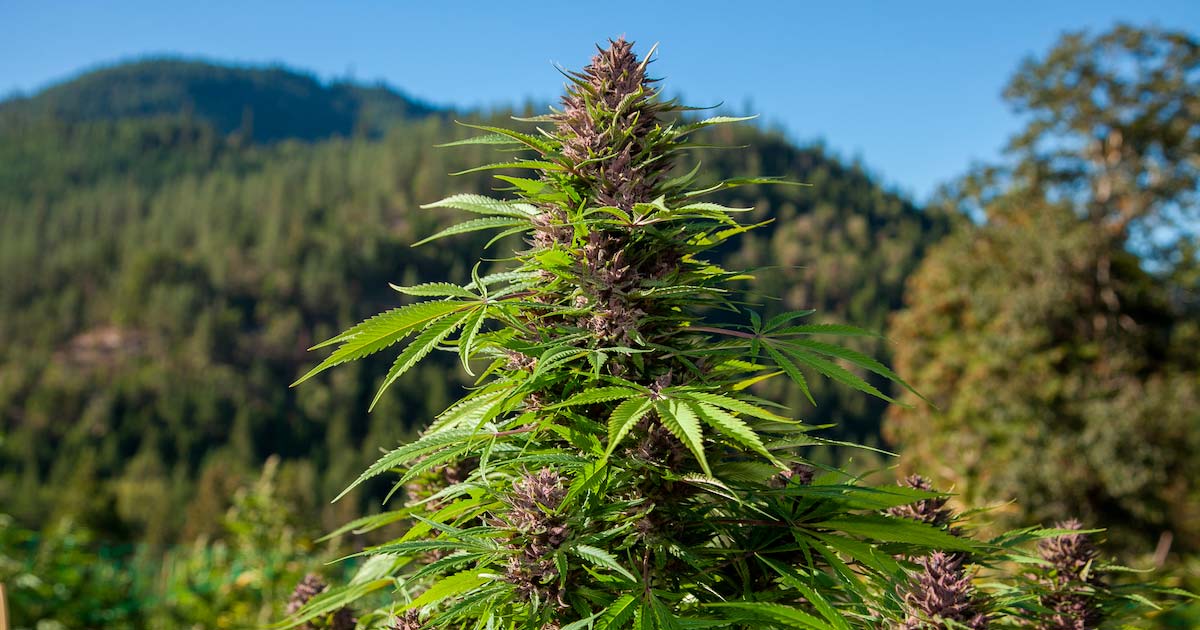
At the end of last week, a bill to decriminalize the use and cultivation of cannabis was presented to the National Congress.
The bill is the result of the first International Conference on Cannabis, held on July 26 in Asuncion at the National Congress. The conference was convened by the Presidency of Parliament and brought together parliamentarians and experts on industrial hemp and cannabis.
The bill, presented by Frente Guasú, the Left Front, and representatives of civil society involved in the cannabis issue, is entitled «By which the self-cultivation, production, industrialization, commercialization, use and research of the Cannabis plant and its derivatives are exhaustively regulated and declared to be of national interest».
A Granja Madre leader, Juan Cabezudo, explained that «Senator Óscar Salomón, President of Congress, has convened an international conference to discuss the medical and commercial opportunities generated by the use of cannabis in all its forms.»
He added that 'relevant national institutions as well as civil society organizations such as Mamá Cultiva, the Paraguayan Cannabis Cooperative, the Paraguayan Chamber of Industrial Cannabis and Granja Madre.
The Paraguay has already legalized the production of medical cannabis and supplies several countries. Access to medical cannabis remains complicated for patients, however, and self-cultivation is still prohibited.
Decriminalization of cannabis
The central point of the bill presented to Congress, reported by ABC, is to decriminalize the use and cultivation of cannabis.
Key points of the bill include the following:
- Decriminalize the Cannabis plant, its derivatives, its uses and its consumers, as part of an approach based on the human rights guaranteed by the national Constitution, setting administrative penalties except for related offences.
- Declare the area of national interest, focusing on the health of patients and the economic rights of family farming, as well as the industrial and fiscal potential it can represent for the country.
- It creates the National Cannabis Institute (Incanna) as a public state body with the participation of civil society and broad powers. to achieve the objectives of the law.
- It authorizes self-cultivation by individuals and the creation of cultivation associations for adult and medical use of the plant and its derivatives, as well as their limited possession.
- The bill under consideration establishes guidelines for the prevention of cannabis use by minors, as well as express restrictions on production and consumption in public spaces.
The Uruguayan model was used as a basis for the project, «but with the social and economic reality of the country in mind», explains Juan Cabezudo, head of the Ganja Madre association.













Cannabis and the Adolescent Brain: French Scientists Make a Key Discovery

EFSA Gives Initial Approval for Synthetic CBD; Natural Extracts Still Pending

Federal Cannabis Reform Once Again on Hold in the United States

Contest: Win a trip to Quebec to experience the hemp harvest firsthand

Bedrocan on Hold Amid Uncertainty Over Medical Cannabis

Newsweed Launches Its Own AI
A new tax of 0.5% could disrupt the hemp industry in Canada

Medical Cannabis and Driving: New South Wales Ends Automatic Penalties for THC

China's Yongji Health Takes Control of Tasmanian Botanics

Autism and Cannabis: Results from the First Placebo-Controlled Trial of NTI164
-
 Cannabis and driving3 weeks ago
Cannabis and CBD: French Drivers Can Now Lose Their License Even Without a Positive Test Result
-

 Cannabis in France6 days ago
Which countries legalized medical cannabis before France?
-
Cannabis in France3 weeks ago
Cannabis Legalization: The LFI Bill Has a Major Problem—THC
-
Cannabis in the Netherlands2 weeks ago
One year after the launch of the Dutch cannabis experiment, the first trends are emerging
-
Business6 days ago
South Korea is preparing to begin local production of medical cannabis to meet rising demand
-
Cannabis in Thailand6 days ago
From the boom in dispensaries to a purely medical approach: Thailand is revising its cannabis policy
-
Cannabis in Argentina2 weeks ago
Argentina Opens Its Market to Hemp Flowers Containing 1% of THC
-
Cannabis in France2 weeks ago
French medical cannabis remains stalled at the Ministry of Health














You must be logged in to post a comment Login