MILDECA makes modern, scientifically-based recommendations that comply with European legislation

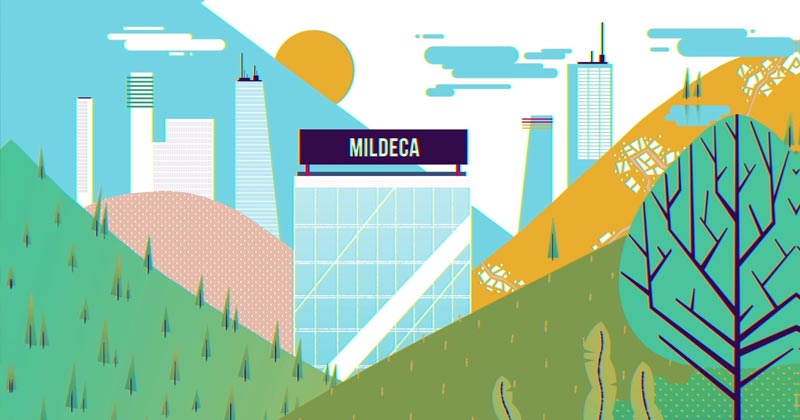
Edito. Did you believe it? We didn't either. And we explain why.
Yesterday, MILDECA reminder of the law on CBD. In four main points, the Mission sets out the framework for the use of cannabidiol in France :
- obligation to use hemp varieties from the European catalog
- ban on the industrial and commercial use of hemp flowers and leaves
- 0 THC in CBD products, which must be obtained from authorized parts of the plant (fibers and seeds)
- no therapeutic claims for CBD
These guidelines might seem legitimate, if you know nothing about CBD or the Law.
Outdated recommendations
Switzerland has been marketing CBD cannabis with -1% THC as a substitute for tobacco. Italy sells CBD cannabis as a «souvenir». Spain has its own Cannabis Clubs, as does the UK, which also authorizes the sale of CBD in stores, while Amsterdam enjoys a cannabic tolerance for 30 years. Germany distributes medical cannabis in pharmacies and reimburses it for the most serious pathologies. The direction of history today is no longer to repress, not to do as others do, but to supervise and secure the uses of citizens.
The MILDECA, in a last prohibitive leap of faith, has failed to take advantage of the CBD wagon to change a French law that is well out of date with French usage. Which is exactly what to the first interventions of its Chairman which stated that «anti-trafficking policies must be capable of better regulation of street supply« .
Unscientific recommendations
CBD enjoys a delicate status in France. It is not classified as a narcotic and there is no law prohibiting its use, which means that it can be processed in any form, from crystals to CBD cookies.
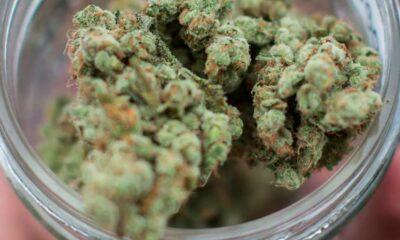
CBD comes from Cannabis, and mainly from its flower, which contains most of the active ingredients. cannabinoids from the plant. An extraction process separates it from the plant, removing the THC to obtain pure CBD at over 99%.
So how do you get CBD without using the flower, even if it's extracted in Spain? You'll have to ask the scientists at MILDECA, who won't know the answer.
The fact is, once the CBD has been extracted, it's impossible to know whether the flower was used or whether the hemp was one of the varieties listed in the European catalog. So what's the point of making a recommendation without having the means to enforce it, if not to look like amateurs?
Recommendations that violate European law
Last but not least, These recommendations do not comply with European law on the use of hemp, which authorizes the processing of all parts of the hemp plant. Hemp flowers with -0.2% THC should therefore be authorized for sale, as should CBD extracted from the flower and full-spectrum oils, even in France. And that's the strongest card in the hand of CBD sellers, who don't really have to worry about MILDECA's recommendations.
So what are we to make of these recommendations? That the MILDECA has not mastered its subject? That its hands are tied? That it is protecting a repressive and ineffective law?
So many questions, so few answers. But one thing's for sure: MILDECA doesn't even serve its own interests.








«Vincy Gold»: Humboldt Seed Company on the Hunt for Saint Vincent Sativas

Cronos Completes the Acquisition of CanAdelaar for 57.5 million euros

Cannabis with a "bloody" twist: Discover Sensi True Blood and Sensi Sangria, the two new strains from Sensi Seeds

Hemp: The Council of the EU Takes a Stand on New Production and Marketing Rules

Missouri's legal cannabis market accounts for 93 % of consumer spending

THC Gummies: How to Read a Certificate of Analysis Before Buying

British patients now have access to THCV-rich cannabis flowers

Spain: Medical Cannabis Is Coming to About 50 Hospitals

JIHE 2026: Japan’s Largest Trade Show Dedicated to Hemp and CBD Returns to Tokyo with More Than 100 Industry Players

New Caledonia: The Courts Clear the Way for the Return of CBD
-
 Business3 weeks ago
The legal cannabis market in New York exceeds 4 billion $ in revenue
-

 Cannabis in France4 weeks ago
Which countries legalized medical cannabis before France?
-
Cannabis in France1 week ago
France already has 3,000 cannabis retail outlets. None of them are legal.
-
Business4 weeks ago
South Korea is preparing to begin local production of medical cannabis to meet rising demand
-
Cannabis in the U.S.1 week ago
A DEA report confirms that there are no fatal cannabis overdoses
-
Cannabis in Thailand4 weeks ago
From the boom in dispensaries to a purely medical approach: Thailand is revising its cannabis policy
-
Cannabis and driving4 weeks ago
Medical Cannabis and Driving: New South Wales Ends Automatic Penalties for THC
-
Cannabis in France3 weeks ago
France’s Drug Policy Chief Defends Cannabis Prohibition... and Runs Into the Facts















You must be logged in to post a comment Login