In France and around the world, fibromyalgia affects approximately 3.31% of the population, 80% of whom are women. Fibromyalgia is a chronic syndrome that affects both sides of the spine, with pain that varies over time, location, and intensity. Apart from pain, the most significant symptoms are chronic fatigue and cognitive issues, as well as muscle stiffness, and sometimes gastrointestinal or genitourinary pain.
Here we will see how CBD can be used to relieve the symptoms of fibromyalgia.
Summary: Using CBD for Fibromyalgia
Fibromyalgia is a chronic pain disorder that causes widespread musculoskeletal pain, fatigue or insomnia, and cognitive difficulties. It primarily affects women and there is currently no known cure for the condition. However, there are treatment options that focus on pain management.
CBD has been used to relieve chronic pain symptoms and reduce inflammation.
Here's what research has shown about the effects of CBD on animals:
- CBD reduces brain inflammation, which in fibromyalgia contributes to pain and brain fogstudy)
- CBD puts brain glial cells into prolonged dormancy. Glial cell activation is key to the development of chronic pain and the excessive pain volumes observed in fibromyalgia.study)
- CBD has demonstrated certain «neuroprotective» capabilities, for example, it can reduce brain damage after trauma by stimulating cell repair. This could improve brain function and reduce brain fog in fibromyalgia.study)
- CBD lowered the activity of the fight-or-flight nervous system in rats subjected to stress, and we know that in fibromyalgia, the fight-or-flight system is dysregulated and overactive.
- CBD reduced pain-related behaviors when administered orally and topically in rats with inflamed, painful joints and damaged nerves («neuropathic pain»). Inflammation and damaged nerves play a role in fibromyalgia pain (study)
On humans, a few studies have investigated the effect of CBD on fibromyalgia:
- A 2011 study was conducted on 56 people, a majority of whom were women, with fibromyalgia. Two hours after consuming cannabis, cannabis users reported benefits such as reduced pain and stiffness, increased sleepiness, and they also had slightly higher mental health scores than non-users.
- In a 2019 Israeli study, hundreds of people with fibromyalgia were monitored over a period of at least 6 months. At the start of the study, 52.51% of the participants—193 people—described their pain level as high. After 6 months, only 7.91% of respondents—19 people—reported high levels of pain.
How to use CBD for fibromyalgia?
If you wish to avoid the psychoactive effects of cannabis, CBD products can be a solution. Although they each have separate benefits, CBD and THC work best when combined. However, differing legislation on THC and medical cannabis prevents some patients from accessing them.
You can consume CBD in various ways, including:
- Visit CBD cartridge If you want to relieve immediate pain, vaporizing CBD-rich cannabis is the fastest way to reduce symptoms. The effects can last up to 3 hours.
- CBD-infused foods Groceriesediblesare CBD-infused foods, whether in isolate, oil, butter, or directly with the Cannabis plant. Symptom relief will take longer, but edible effects can last up to 6 hours.
- CBD Oils : Oils can be applied topically, taken orally, or dissolved under the tongue and absorbed through the oral tissues. They take effect fairly quickly and can be taken throughout the day
- CBD Cosmetics CBD can be added to cosmetics for topical application, directly onto the skin. These CBD products can be an effective option for reducing inflammation and relieving external pain.
Scientists are still studying whether CBD can effectively treat chronic pain disorders. Further research is needed. If you decide to use CBD products for pain management, be sure to consult a doctor first. They can help you avoid negative side effects or harmful interactions with your current medications and treatments.
What is fibromyalgia?
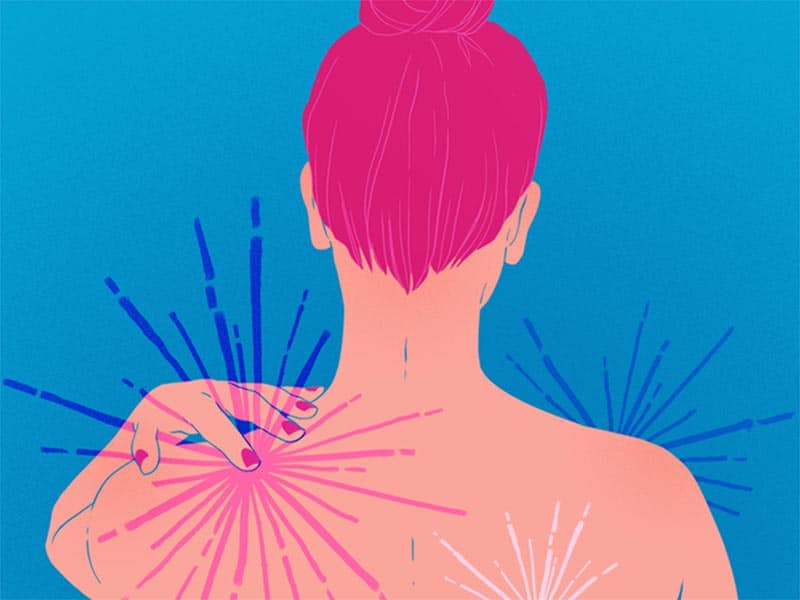
Fibromyalgia is a condition characterized by widespread musculoskeletal pain accompanied by fatigue, sleep disturbances, memory problems, and mood swings. Researchers believe that fibromyalgia amplifies pain sensations by affecting how your brain processes pain signals.
Symptoms sometimes begin after physical trauma, surgery, infection, or significant psychological stress. In other cases, symptoms accumulate gradually over time without a single triggering event.
Women are more likely to develop fibromyalgia than men. Many people with fibromyalgia also suffer from tension headaches, temporomandibular joint (TMJ) disorders, irritable bowel syndrome, anxiety, and depression.
Although there is no cure for fibromyalgia, a variety of medications can help manage symptoms. Exercise, relaxation, and stress-reduction measures like CBD can also help.
Symptoms of fibromyalgia
Symptoms of fibromyalgia include:
- Generalized pain: The pain associated with fibromyalgia is often described as a dull, constant ache that has lasted for at least three months. To be considered generalized, the pain must occur on both sides of your body, and above and below your waist.
- Fatigue: People with fibromyalgia often wake up tired, even if they report sleeping for long periods. Sleep is often disrupted by pain, and many fibromyalgia patients suffer from other sleep disorders, such as restless legs syndrome and sleep apnea.
- Cognitive difficulties: a symptom commonly called «fibro-fog» impairs concentration
Fibromyalgia often coexists with other painful conditions, such as:
- irritable bowel syndrome
- visit migraines and other types of headaches
- interstitial cystitis or painful bladder syndrome
- temporomandibular joint disorders
Fibromyalgia is treated with a combination of medications, therapies, and lifestyle changes.
In general, conventional treatments for fibromyalgia include both medications and self-care. The focus is on minimizing symptoms and improving overall health. No single treatment works for all symptoms.
Fibromyalgia Medications
Medications can help reduce fibromyalgia pain and improve sleep. Common choices include:
- pain relievers, either over-the-counter or prescription
- antidepressants to relieve the pain and fatigue associated with fibromyalgia
- anti-epileptic drugs used to reduce certain types of pain
Therapy
Different therapies can help reduce the effect of fibromyalgia on your body and life:
- physical therapy with a physical therapist who can teach you exercises that will improve your strength, flexibility, and endurance. Water-based exercises can be particularly helpful
- schedule an appointment with an occupational therapist who can make adjustments to your workspace or the way you perform certain tasks that will result in less stress on your body
- seeing a psychologist to strengthen your confidence in your abilities and teach you strategies for coping with stressful situations
Cannabis and fibromyalgia
With no cure for fibromyalgia, effective pain management strategies are essential to help patients cope with fibromyalgia. Many patients turn to CBD when traditional fibromyalgia pain treatments fail and effectively relieve fibromyalgia pain. Some people use CBD as a standalone pain treatment, while others supplement their current medications and treatments with CBD.
Sources and scientific studies are cited and linked in the content of the above article.
- Fibromyalgia
