Five new cannabis studies: anxiety, ADHD, fibromyalgia, cancer and concussion in athletes

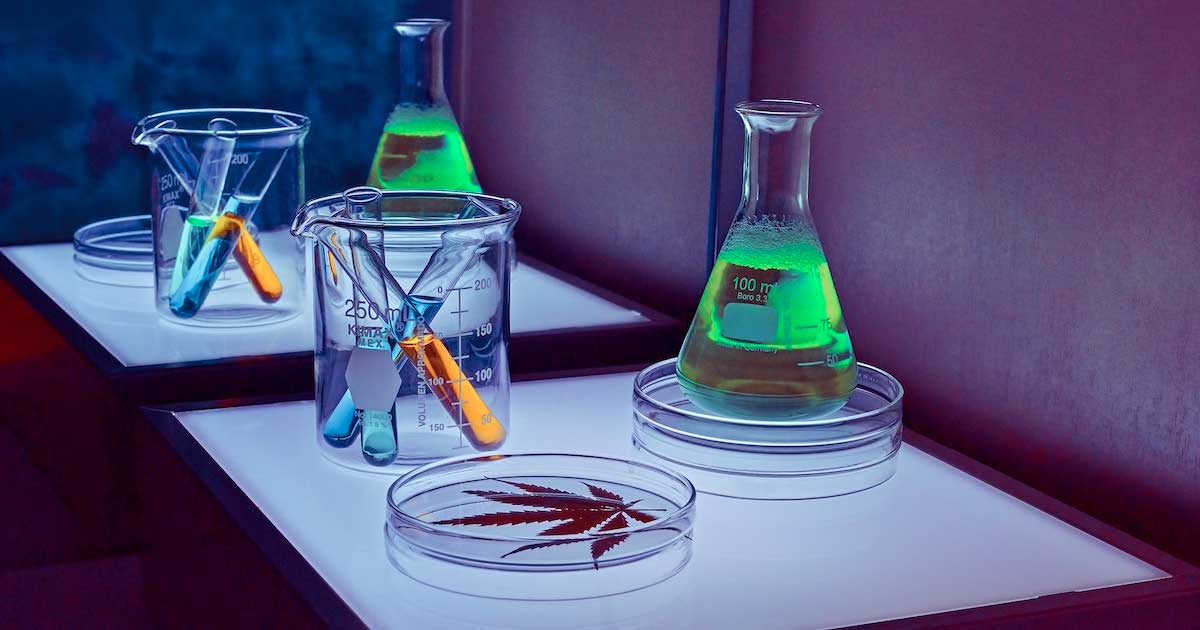
As studies on the use of cannabis, both medical and recreational, continue, here are three recent studies on the treatment of anxiety, attention deficit hyperactivity disorder and fibromyalgia.
And a little further on, results suggest that cannabis may have neuroprotective properties for athletes suffering from concussions and, in the United States, researchers are exploring the effects of medical cannabis on cancer patients.
Cannabis associated with reduced anxiety in real-life study
Some data from the UK show that prescribing cannabis-based medicines (CBMPs) is associated with «clinically significant» improvements in patients suffering from generalized anxiety disorder (GAD).
Questionnaires were completed by over 300 patients on the UK Medical Cannabis Register at follow-up appointments three, six and nine months after the start of treatment. These results were then compared with patients' symptoms at baseline.
According to the authors, improvements in anxiety, sleep quality and quality of life were observed at each stage.
«Prescribing CBMPs in people with GAD is associated with clinically significant improvements in anxiety with an acceptable safety profile in a real-world setting,» they conclude. «Randomized trials are needed as the next step to study the efficacy of CBMPs.»
Chronic cannabis use shows promise in concussed athletes
While cannabis use is on the rise increasingly common among athletes for recovery purposes, the researchers examined whether chronic consumption reduced or exacerbated the impact of acute concussions.
The study involved 43 American soccer players who had used cannabis at least once a week over the past six months. They found that after 20 headbutts, induced by a controlled headbutt model, the degrees of impairment in oculo-motor function [which controls eye movements and the amount of light entering the eye] were less in the group that had used cannabis than in the control group.
The researchers also examined levels of S100B, a protein marker whose elevated concentrations are associated with brain damage and neurodegenerative diseases. S100B levels increased significantly in the control group, while no change was observed in the cannabis-using group.
The authors conclude «Our data suggest that chronic cannabis use may be associated with improved oculomotor functional strength and suppression of the neuroinflammatory response after 20 head-butts in American soccer.»
THC linked to improvement in fibromyalgia symptoms
German researchers have examined the efficacy of THC as a treatment. in patients with fibromyalgia who were receiving Interdisciplinary Multimodal Pain Therapy (IMPT).
A total of 120 fibromyalgia patients were included in the study, of whom just over half (51.7 %) were treated with THC. Significant improvements in pain intensity, depression and quality of life were observed in all patients, but were «significantly greater» in those who had received THC.
The dose of other medications was also reduced, or completely discontinued, more often in THC-treated patients.
The authors declare The results indicate that THC can be considered as a medical alternative in addition to the substances previously recommended in various guidelines.
Study review calls for more research on cannabis and ADHD
Cannabis is increasingly used as a treatment for neurodevelopmental disorders such as Attention Deficit Hyperactivity Disorder (ADHD), despite the lack of clinical research.
The researchers carried out a systematic analysis of articles published over the last ten years, in order to understand the nature of the relationship between the consumption of cannabis and ADHD symptoms.
According to the authors, the findings shed new light on the perceived effects of cannabis on specific symptoms and on the potential moderating effects of cannabis on ADHD-related executive function deficits, which have been «largely ignored» by previous research.
However, they add The data available to date are inconclusive: «The data available to date do not make it possible to determine whether cannabis consumption has any addictive effects or interactions, whether beneficial or detrimental. The data available to date are relatively limited, and further studies are therefore required.«
Nurses report positive effects in cancer patients
In 2022, the US state of California recently introduced a bill known as «Ryan's Law», which allows terminally ill cancer patients to access medicinal cannabis treatment during their hospital stay.
Following the implementation of new policies allowing patients to continue their treatment, researchers have studied nurses' reaction and perception of the impact of cannabis on patients' symptoms.
The majority felt comfortable applying the law to their practice, and said that medical cannabis had had a «positive impact». Most felt that patients had «improved their symptoms» after using medical cannabis. Anxiety and insomnia were the most common symptoms that improved, followed by pain, nausea and anorexia.





















JIHE 2026: Japan’s Largest Trade Show Dedicated to Hemp and CBD Returns to Tokyo with More Than 100 Industry Players
New Caledonia: The Courts Clear the Way for the Return of CBD

The Brazilian medical cannabis market continues to grow

Morocco: Three Cannabis-Based Medications Approved for the Treatment of Epilepsy

Canopy Growth Receives New EU-GMP Certification to Strengthen Its Presence in Europe

Three years after legalizing medical cannabis, Albania continues to establish regulations for it

The first plant-based medical THC spray arrives in the United Kingdom

Medical Cannabis in Germany: THC Prices Vary by a Factor of 12

France already has 3,000 cannabis retail outlets. None of them are legal.

Morocco's exports of legal cannabis have expanded to 15 countries
-
 Business2 weeks ago
The legal cannabis market in New York exceeds 4 billion $ in revenue
-

 Cannabis in France4 weeks ago
Which countries legalized medical cannabis before France?
-
Business4 weeks ago
South Korea is preparing to begin local production of medical cannabis to meet rising demand
-
Cannabis in France4 days ago
France already has 3,000 cannabis retail outlets. None of them are legal.
-
Cannabis in Thailand4 weeks ago
From the boom in dispensaries to a purely medical approach: Thailand is revising its cannabis policy
-
Cannabis in the U.S.5 days ago
A DEA report confirms that there are no fatal cannabis overdoses
-
Cannabis and driving3 weeks ago
Medical Cannabis and Driving: New South Wales Ends Automatic Penalties for THC
-
Cannabis in France3 weeks ago
France’s Drug Policy Chief Defends Cannabis Prohibition... and Runs Into the Facts

















You must be logged in to post a comment Login