
The effects of CBD on the brain and nervous system have attracted a great deal of attention in recent years, particularly for people with neurological disorders such as Parkinson’s disease. The research is fairly recent and limited, but some studies have shown promise for people with Parkinson’s. Let’s take a look at how CBD might help alleviate the symptoms of this progressive neurological disorder.
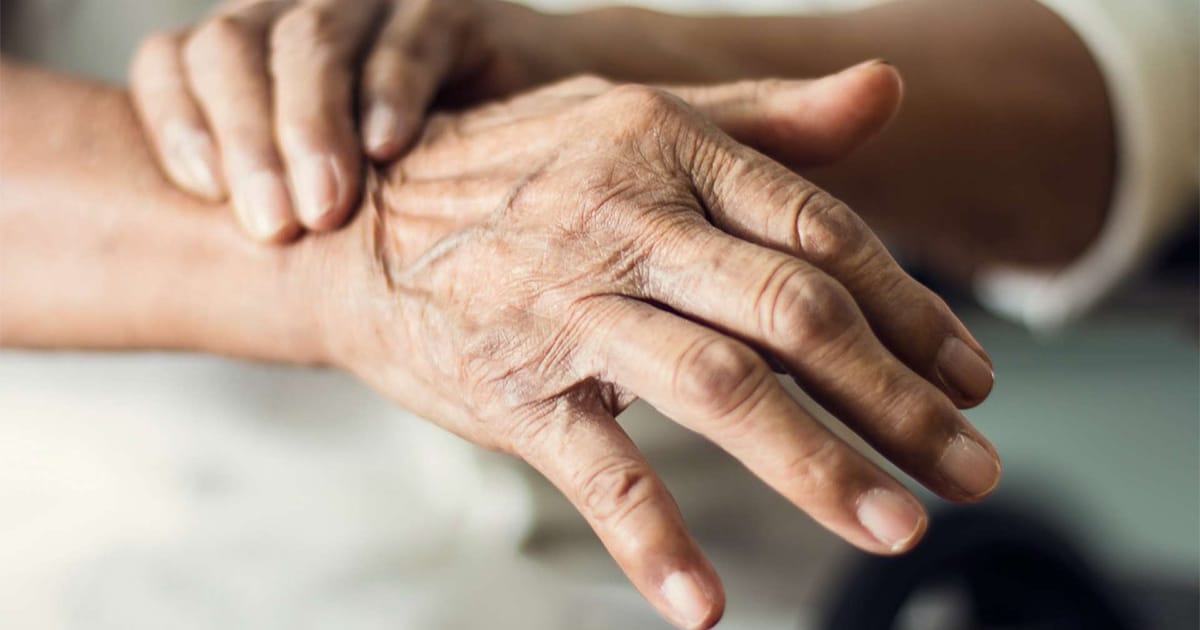
CBD as a Treatment for Parkinson's Disease
CBD has not been used for very long by people with Parkinson's disease, and research into the benefits of this cannabinoid began only a few decades ago.
Some studies suggest, however, that CBD may have positive effects, particularly when it comes to non-motor symptoms, such as depression, anxiety, and sleep disorders.
Pain
A small study A study of 22 people with Parkinson's disease found that cannabis use helped relieve pain. However, this study was conducted using medical cannabis, which contains both CBD and THC. Some studies Animal studies have nevertheless suggested that CBD alone has benefits in reducing pain and inflammation, two factors that can frequently affect people with Parkinson's disease.
Tremors
Some of the most common treatments for Parkinson's disease can cause involuntary tremors or uncontrolled muscle movements. As a possible solution, a study An older, smaller study suggested that CBD might help relieve these muscle movements.
Psychosis
Psychosis is a possible complication of Parkinson’s disease. It can cause hallucinations or delusions, and it is more common in people with advanced stages of the disease. In fact, up to 50% of people with Parkinson’s disease experience this complication. Although medications are available to treat Parkinson’s-related psychosis, some people wonder if CBD might be beneficial.
A a small study from 2009 A study of people with Parkinson's disease and psychotic symptoms found that CBD reduced the severity of their symptoms. It also did not cause any adverse effects.
Sleep
Sleep disturbances are a serious concern for people with Parkinson's disease. Vivid dreams or nightmares, as well as movements during sleep, are common. Some studies have found that CBD alone may help with sleep disorders.
Quality of Life
Given the many potential benefits of CBD for people with Parkinson's disease, researchers have suggested that taking CBD may help improve quality of life, a major concern for people with Parkinson's disease.
A study revealed that people with Parkinson’s disease who did not have any psychiatric symptoms or conditions experienced a better quality of life through the use of CBD. This study was also conducted on a very small group of people, so further research is needed to fully substantiate the findings.
CBD as a Means of Preventing Parkinson's Disease
Researchers have found that CBD may help prevent Parkinson's disease, but so far, the research has only been conducted on animals. Furthermore, the research suggests that CBD cannot help treat Parkinson's once the disease has developed. Based on this, CBD would only be useful as a preventive measure.
Human studies that have examined whether CBD could help prevent Parkinson's disease have not yielded significant results. Further research is needed to understand why CBD might protect the brains of animals but—as far as we can tell—not the human brain.
One thing to keep in mind is that by the time a person begins to show signs of Parkinson’s disease, approximately 60% of the dopamine-producing neurons in the brain have already been destroyed. Most clinical trials use CBD only after a diagnosis has been made. It is difficult to know who will develop Parkinson’s disease and who will not. Prevention strategies are rare, so it is difficult to know who might benefit from CBD-based preventive measures.
How to Use CBD for Parkinson's Disease
If you're new to CBD, you might be wondering what the best way is to take it if you have Parkinson's disease.
CBD is available in the following forms:
- CBD Oils and tinctures: These forms of CBD can be swallowed or absorbed sublingually (under the tongue). This is a good option if you have trouble swallowing pills or chewing candies.
- Creams and CBD cosmetics : The effects of CBD-infused cosmetics and creams may take several hours to set in, but they can be helpful in treating pain or stiffness in the hands and joints.
- CBD Capsules : You may notice a delay in the effects if you take CBD in capsule form, but this form may be ideal for people who suffer from tremors that prevent them from properly measuring out a liquid.
- Edibles. Gummy candies are a popular CBD option. You can also find CBD in a number of other CBD-infused foods, although the dosage may not be as precise as with other forms. Edibles deliver a dose of CBD discreetly.
- CBD cartridges to vape. CBD can be vaporized and inhaled from a highly concentrated CBD extract. The effects set in quickly when using this method of consumption.
In summary, CBD and Parkinson's
CBD shows promise for people with Parkinson's disease. Not only could cannabinoids relieve the symptoms of the degenerative disease itself, but they could also alleviate the side effects of the most common treatment.
It is important to remember that many of these studies are fairly small. Following these initial promising results, larger and more in-depth studies are needed. CBD could thus prove to be an important complement to drug treatments.
Sources and scientific studies are cited and linked in the content of the above article.
- Parkinson's Disease
