CBD boosts the effects of naloxone to reverse opioid overdoses

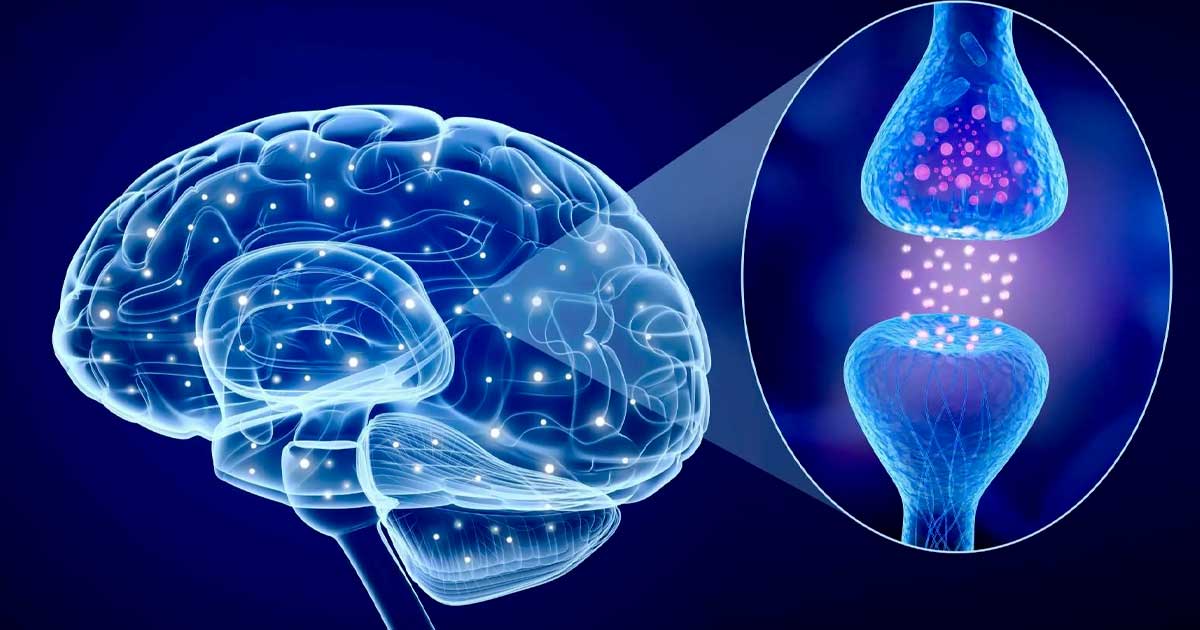
Naloxone is a medication used to reverse or reduce the effects of opioids by counteracting the life-threatening depression of breathing caused by an opioid overdose.
Today, researchers are studying whether cannabidiol (CBD) can make naloxone even more effective.
Naloxone and CBD Combination
Naloxone works by competing with opioids, such as heroin and morphine, for opioid receptors in the brain. The central nervous system depressant effects of opioids, which can lead users to stop breathing, are effectively blocked when naloxone occupies the opioid receptor sites.
However, fentanyl, a synthetic opioid, is particularly effective at binding to these receptors, which sometimes requires multiple doses of naloxone to reverse the overdose. In the United States, fentanyl is now implicated in more than 80% of opioid overdoses.
Previous studies suggest that CBD may hinder opioid binding by altering the shape of receptor sites, making naloxone treatment more effective.
Promising results for CBD against fentanyl
In a study presented at the spring meeting of the’American Chemical Society, researchers have attempted to determine if various dosages of CBD, alone or in combination with naloxone, could be an effective supplement or substitute for naloxone overdose treatment.
«We primarily tried to determine which parts of the CBD compound were relevant to these effects and to use that as inspiration to find more effective compounds,» said Dr. Alex Straiker, co-lead researcher of the study and research scientist in the Department of Psychological and Brain Sciences at Indiana University Bloomington.
The study revealed that CBD prevented fentanyl from binding to opioid receptors, even at very low concentrations. A complementary animal study is underway to test the most promising CBD derivatives on mice.
The practical implications are not yet clear.
Previous studies have shown that the CBD effectively reduced cravings for addiction and withdrawal symptoms.
«CBD is a promising molecule, and cannabinoids have a huge role to play in treating opioid withdrawal,» said Dr. Peter Grinspoon, a medical cannabis specialist at Massachusetts General Hospital. «CBD can work synergistically with naloxone.»
However, he also warned that the CBD could potentiate certain medications. «Wouldn't it be ironic if CBD made naloxone more effective but also raised serum fentanyl levels and worsened the situation?" Grinspoon said, calling for more research.
«It's not a big deal to have to administer a second dose of naloxone,» Grinspoon added. «The real obstacle is the lack of access to Narcan [Editor's note: a naloxone nasal spray].»



















«Vincy Gold»: Humboldt Seed Company on the Hunt for Saint Vincent Sativas

Cronos Completes the Acquisition of CanAdelaar for 57.5 million euros

Cannabis with a "bloody" twist: Discover Sensi True Blood and Sensi Sangria, the two new strains from Sensi Seeds

Hemp: The Council of the EU Takes a Stand on New Production and Marketing Rules

Missouri's legal cannabis market accounts for 93 % of consumer spending

THC Gummies: How to Read a Certificate of Analysis Before Buying

British patients now have access to THCV-rich cannabis flowers

Spain: Medical Cannabis Is Coming to About 50 Hospitals

JIHE 2026: Japan’s Largest Trade Show Dedicated to Hemp and CBD Returns to Tokyo with More Than 100 Industry Players

New Caledonia: The Courts Clear the Way for the Return of CBD
-
 Business3 weeks ago
The legal cannabis market in New York exceeds 4 billion $ in revenue
-

 Cannabis in France4 weeks ago
Which countries legalized medical cannabis before France?
-
Cannabis in France1 week ago
France already has 3,000 cannabis retail outlets. None of them are legal.
-
Business4 weeks ago
South Korea is preparing to begin local production of medical cannabis to meet rising demand
-
Cannabis in the U.S.1 week ago
A DEA report confirms that there are no fatal cannabis overdoses
-
Cannabis in Thailand4 weeks ago
From the boom in dispensaries to a purely medical approach: Thailand is revising its cannabis policy
-
Cannabis and driving4 weeks ago
Medical Cannabis and Driving: New South Wales Ends Automatic Penalties for THC
-
Cannabis in France3 weeks ago
France’s Drug Policy Chief Defends Cannabis Prohibition... and Runs Into the Facts
















Guillaume
April 30, 2023 at 10:29 PM
I find this study very interesting. It is comforting to know that CBD can help enhance the effects of naloxone in reversing opioid overdoses. This news is a ray of hope for people struggling with opioid addiction and their loved ones. I hope this study will encourage further research into the benefits of CBD for treating addiction and improving overall individual health.