Why you shouldn't smoke/vape cannabinoid acetates (THCo, HHCo, HHCPo, THCPo...)

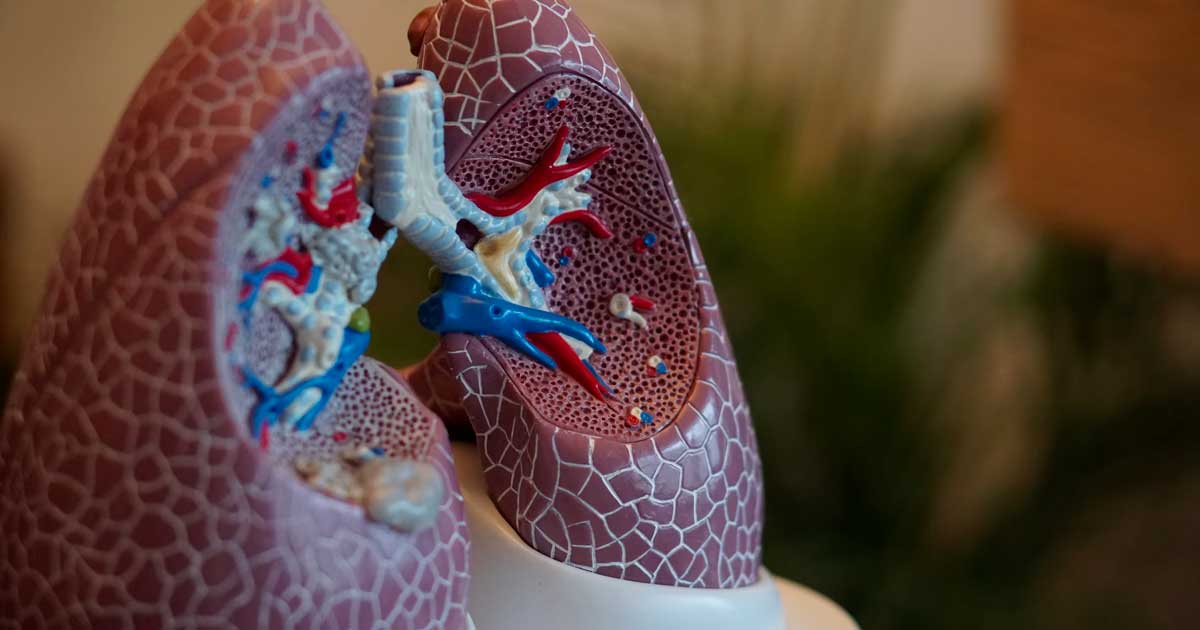
Recent studies have highlighted the health risks associated with cannabinoid acetates, which are used in certain «CBD products.» Despite claims of increased psychoactive effects compared to CBD alone, cannabinoid acetates—identified by molecule names ending in -O—could trigger an outbreak of lung damage similar to EVALI (e-cigarette or vaping-related lung injury) in 2019 or promote the development of cancer.
A widely cited study published in The New England Journal of Medicine In 2019, it examined the’outbreak of vaping-related lung injuries. The study revealed that a significant number of cases were linked to the use of vaping products containing THC, particularly those obtained from illegal sources. The presence of acetates, such as vitamin E acetate, was identified in many of the samples tested, raising concerns about the role of these additives in lung injuries.
What are cannabinoid acetates?
Cannabinoids are compounds found in the cannabis plant; the best known are THC (tetrahydrocannabinol) and CBD (cannabidiol). These compounds interact with the human body’s endocannabinoid system and influence various physiological processes. While the use of cannabinoids for medical and recreational purposes is not new, new synthetic cannabinoids have emerged as a result of a lack of regulation or the prohibition of natural cannabinoids.
Cannabinoid acetates are synthetic derivatives of cannabinoids, often created for use in vaping or smoking products. These acetate forms are designed to improve the solubility and stability of cannabinoids, thereby offering a more convenient and effective method of consumption. However, it is the very nature of these chemical modifications that has become a source of concern for the scientific community and raises concerns about the associated health risks.
THC acetate, or THCo, for example, undergoes a complex chemical process involving acetic anhydride. This process, known for its complexity and the use of flammable chemicals, converts CBD derived from hemp into delta-8-THC, which is then combined with acetic anhydride to produce THC acetate. The resulting product has been touted for its health benefits and purportedly powerful effects, including psychedelic experiences, although scientific research on this compound remains limited.
Carcinogenic molecules that are harmful to the lungs
The combustion or vaporization of cannabinoid acetates poses various risks, the most serious of which is the formation of ketene, a toxic gas known to increase the risk of cancer and tumor development.
Research conducted by the’American Chemical Society In 2020, studies highlighted the potential dangers of heating and inhaling synthetic cannabinoids. The study demonstrated that the thermal decomposition of certain cannabinoid acetates produced harmful compounds, including formaldehyde and acetaldehyde, which are known respiratory irritants. These findings underscore the importance of understanding the chemical transformations that occur during the vaping process.
The study also found the formation of ketene. Ketene is a reactive compound that can be produced when certain substances, including cannabinoid acetates, are heated. These compounds are known respiratory irritants and have been linked to lung damage. The formation of ketene adds a new layer of complexity to the risks associated with vaping, underscoring the need for a comprehensive understanding of the chemical processes involved.
A study published in the Journal of Medical Toxicology has established a link between the use of vaping products containing cannabinoid acetates and the development of acute respiratory distress syndrome (ARDS). ARDS is a serious lung condition that can lead to rapid respiratory failure. The specific mechanisms by which cannabinoid acetates contribute to ARDS are still being studied, but the correlation is cause for concern.
The study’s authors also point out that THC-O shares structural similarities with vitamin E acetate, the additive found in unapproved THC vape cartridges that has already been linked to the 2019–20 EVALI lung disease outbreak. The EVALI outbreak resulted in several thousand cases across the United States, including more than 60 deaths. The authors report that, when heated in a vape pen, both substances produce ketene—a «highly potent lung toxin» and the suspected cause of EVALI.
Another risk associated with vaporizing cannabinoid acetates is the risk of lipid pneumonia. The synthetic nature of these compounds means they can mimic the properties of lipids or fats. When inhaled, they can accumulate in the lungs, leading to a form of pneumonia caused by the presence of lipids. This condition can be particularly dangerous, as it may go unnoticed until significant damage has already occurred.
While cannabinoids, in their natural form, have been shown to safe and promising for various medical applications, the inclusion of cannabinoid acetates in vaping and tobacco products could prove risky. The dangers associated with these synthetic compounds—ranging from respiratory problems to acute lung injury and the formation of ketene—underscore the need for caution and further research.






















«Vincy Gold»: Humboldt Seed Company on the Hunt for Saint Vincent Sativas

Cronos Completes the Acquisition of CanAdelaar for 57.5 million euros

Cannabis with a "bloody" twist: Discover Sensi True Blood and Sensi Sangria, the two new strains from Sensi Seeds

Hemp: The Council of the EU Takes a Stand on New Production and Marketing Rules

Missouri's legal cannabis market accounts for 93 % of consumer spending

THC Gummies: How to Read a Certificate of Analysis Before Buying

British patients now have access to THCV-rich cannabis flowers

Spain: Medical Cannabis Is Coming to About 50 Hospitals

JIHE 2026: Japan’s Largest Trade Show Dedicated to Hemp and CBD Returns to Tokyo with More Than 100 Industry Players

New Caledonia: The Courts Clear the Way for the Return of CBD
-
 Business3 weeks ago
The legal cannabis market in New York exceeds 4 billion $ in revenue
-

 Cannabis in France4 weeks ago
Which countries legalized medical cannabis before France?
-
Cannabis in France1 week ago
France already has 3,000 cannabis retail outlets. None of them are legal.
-
Business4 weeks ago
South Korea is preparing to begin local production of medical cannabis to meet rising demand
-
Cannabis in the U.S.1 week ago
A DEA report confirms that there are no fatal cannabis overdoses
-
Cannabis in Thailand4 weeks ago
From the boom in dispensaries to a purely medical approach: Thailand is revising its cannabis policy
-
Cannabis and driving4 weeks ago
Medical Cannabis and Driving: New South Wales Ends Automatic Penalties for THC
-
Cannabis in France3 weeks ago
France’s Drug Policy Chief Defends Cannabis Prohibition... and Runs Into the Facts
















You must be logged in to post a comment Login