Czech scientists work on hemp-based blood plasma substitute

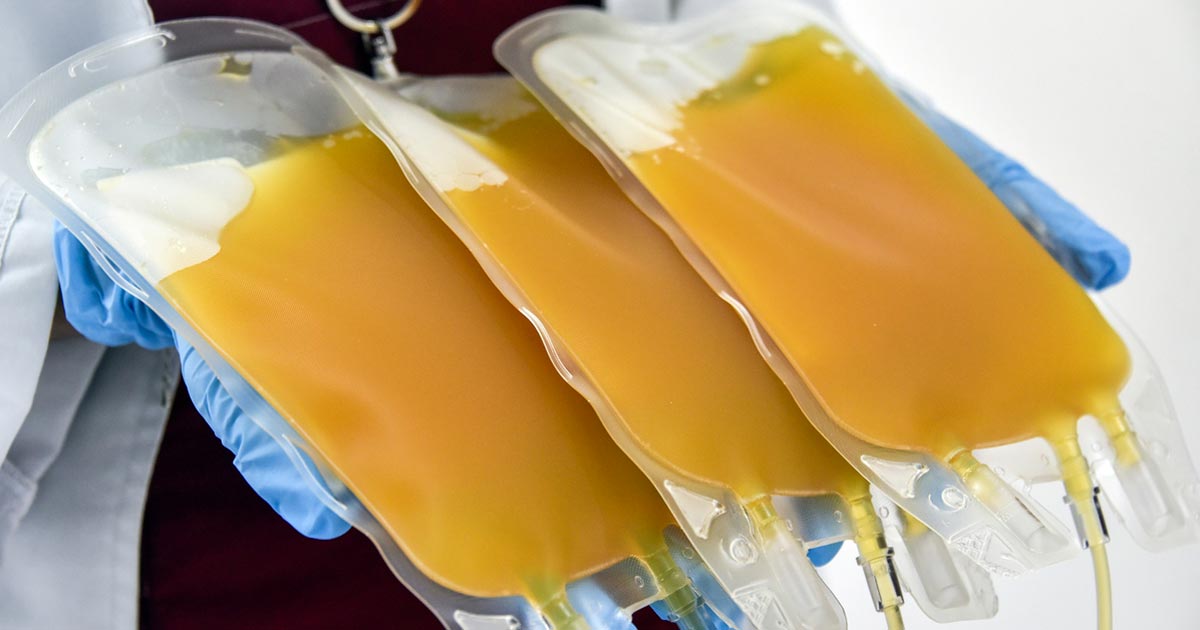
When it comes to blood plasma, demand is insatiable and supply is clearly insufficient. Around 100 million liters of plasma are needed every year.
A revolutionary initiative known as the Plasma for People, was born in the Czech Republic. Founded in 2019, this biomedical start-up aims to introduce an organic substitute for blood plasma, exploiting the potential of edestin, a protein derived from hemp seeds.
This innovative approach not only promises a cost-effective alternative, but also addresses the critical issues associated with the collection, storage and distribution of natural plasma.
The hemp seed solution for blood bioplasma
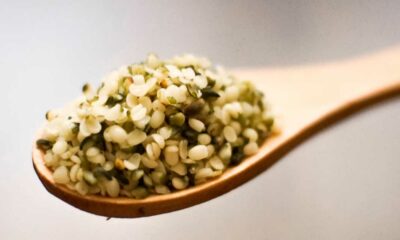
The cornerstone of the project Plasma for People lies in the use of edestin, a protein found in hemp seeds. The idea stems from extensive research by Czech scientists into the various applications of the hemp plant.
Pavel Kubů, medical development manager for the project, reveals that edestine has been identified as a potential source to replace albumin, the main protein in blood, as edestine and albumin are strikingly similar. Compared with other proteins tested in the past, edestine is unique in that it can support the regenerative functions of the human body. For example, it was used in the 1950s in Czechoslovakia to treat tuberculosis, in various forms, before the advent of anti-tuberculosis drugs and vaccination.
Edestine solution cannot entirely replace plasma, but contains around 98 % of its components. But if plasma is used to stabilize patients after surgery or to replenish blood volume in traumatic conditions as an expander, bioplasma may become a substitute.
Edestine-based artificial blood plasma offers many advantages over its traditional counterpart. Kubů emphasizes its resistance to contamination by prion diseases, HIV or hepatitis viruses.
In addition, this substitute can be administered to patients who, for religious or ethical reasons, reject donor plasma. Organic blood plasma also has a longer shelf life and does not require freezing, simplifying the logistical challenges associated with traditional plasma storage.
Cost-effective and logistically simple
One of the major challenges facing the blood plasma industry is the high cost associated with both collection and storage. The edestine-based artificial blood plasma proposed by the Plasma for People offers a cost-effective alternative. According to Kubů, this substitute can be produced around ten times more cheaply than traditional methods in addition to consuming few hemp seeds, around 1 kilo for every 2 liters of blood plasma.
The organic plasma solution requires no special storage conditions, as it can be transported as an inert, vacuum-packed powder. This feature makes it particularly advantageous in emergency situations, such as mass disasters.
The project has now entered its financing phase. «We are currently seeking funding for the next phase of clinical trials and for the process of preparing for market authorization, which requires much more funding,» Kubů explains to Czech newspaper e15.cz. He adds, «We're also trying to get the infrastructure in place for edestine production, not only in medicinal quality, which we can already do, but also so that our production can have greater production capacity.»
«We have invested 1.5 million euros and about a year and a half ahead of us, which we want to devote to the clinical study, which will cost around four million euros. As far as we know, there is no similar research anywhere in the world,» says Miroslav Mašata, Director of Plasma For People.
The company has found an investor in Germany who owns a patent for edestin extraction and a preclinical study. Plasma for People is targeting the blood plasma market as well as intravenous solutions, with an estimated market size of 3 billion liters per year. The company is also planning further research into other pathologies.
«Medicine, for example, already classifies Alzheimer's disease as a proteinopathic disease, and future research on edestin could move in this direction. We're faced with the task of caring for a society that will have a large proportion of elderly people, and we'll need to guarantee long-term quality of life,» he adds.




















JIHE 2026: Japan’s Largest Trade Show Dedicated to Hemp and CBD Returns to Tokyo with More Than 100 Industry Players

New Caledonia: The Courts Clear the Way for the Return of CBD

The Brazilian medical cannabis market continues to grow

Morocco: Three Cannabis-Based Medications Approved for the Treatment of Epilepsy

Canopy Growth Receives New EU-GMP Certification to Strengthen Its Presence in Europe

Three years after legalizing medical cannabis, Albania continues to establish regulations for it

The first plant-based medical THC spray arrives in the United Kingdom

Medical Cannabis in Germany: THC Prices Vary by a Factor of 12

France already has 3,000 cannabis retail outlets. None of them are legal.

Morocco's exports of legal cannabis have expanded to 15 countries
-
 Business2 weeks ago
The legal cannabis market in New York exceeds 4 billion $ in revenue
-

 Cannabis in France4 weeks ago
Which countries legalized medical cannabis before France?
-
Business4 weeks ago
South Korea is preparing to begin local production of medical cannabis to meet rising demand
-
Cannabis in France4 days ago
France already has 3,000 cannabis retail outlets. None of them are legal.
-
Cannabis in Thailand4 weeks ago
From the boom in dispensaries to a purely medical approach: Thailand is revising its cannabis policy
-
Cannabis in the U.S.5 days ago
A DEA report confirms that there are no fatal cannabis overdoses
-
Cannabis and driving3 weeks ago
Medical Cannabis and Driving: New South Wales Ends Automatic Penalties for THC
-
Cannabis in France3 weeks ago
France’s Drug Policy Chief Defends Cannabis Prohibition... and Runs Into the Facts

















fabien
16 November 2023 at 9 h 07 min
It's a concrete example of how science and innovation can meet critical needs in a creative and sustainable way. fabien cbdtech