The science of CBD: How cannabidiol interacts with the endocannabinoid system


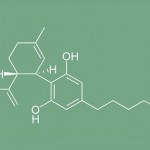
Cannabidiol, commonly known as CBD, has taken the world by storm in recent years, with an explosion of products ranging from oils to food and cosmetics. Although CBD is often associated with the cannabis plant, it does not have the psychoactive effects of its better-known cousin, tetrahydrocannabinol (THC). Instead, CBD is celebrated for its potential wellness benefits, which are closely linked to its interaction with the endocannabinoid system (ECS).
The Endocannabinoid System: A Brief Overview
The endocannabinoid system is a complex network of receptors, enzymes, and endocannabinoids that plays a crucial role in maintaining homeostasis, or the body’s balance. It was first discovered in the early 1990s, when researchers were studying the effects of cannabis on the human body. This system has since been recognized as a vital regulatory system involved in a wide range of physiological processes.
The SEC consists of three main components:
- The endocannabinoids : These are natural compounds produced by our bodies. The two main endocannabinoids are the’anandamide and 2-arachidonoylglycerol (2-AG). They act as messengers, binding to cannabinoid receptors to signal various physiological processes
- Cannabinoid receptors: There are two main types of cannabinoid receptors in the central nervous system: the CB1 receptors and CB2. CB1 receptors are found primarily in the brain and the central nervous system, while CB2 receptors are located mainly in immune cells and peripheral tissues. These receptors play a crucial role in transmitting signals from endocannabinoids or exogenous cannabinoids such as CBD
- Enzymes: Enzymes such as fatty acid amide hydrolase (FAAH) and monoacylglycerol lipase (MAGL) are responsible for breaking down endocannabinoids once they have fulfilled their signaling function. This process ensures that the endocannabinoid system remains tightly regulated.
How CBD Interacts with the Endocannabinoid System
CBD interacts with the endocannabinoid system in a unique way, primarily by influencing the activity of cannabinoid receptors, among other mechanisms. Unlike THC, which binds directly to CB1 and CB2 receptors, CBD takes a more indirect approach.
It is believed that CBD affects the ECS in the following ways:
- Enzyme inhibition: CBD can inhibit enzymes such as FAAH, which are responsible for breaking down anandamide, one of the body’s endocannabinoids. By inhibiting FAAH, CBD increases anandamide levels, potentially prolonging its effects and promoting feelings of well-being and relaxation.
- Allosteric modulation: CBD can act as an allosteric modulator of cannabinoid receptors, which means it can alter the shape or activity of these receptors without binding directly to them. This modulation can alter the receptors’ response to endocannabinoids, making them more or less active.
- Interaction with other receptors: In addition to cannabinoid receptors, CBD interacts with various other receptors and ion channels in the body, including serotonin receptors and TRPV1 receptors. This interaction contributes to the potential therapeutic effects of CBD on mood, pain perception, and more…
- Anti-inflammatory and neuroprotective effects: CBD’s influence on the ECS extends to reducing inflammation and protecting nerve cells. By modulating the ECS, CBD may help mitigate the inflammatory response and provide neuroprotection in various conditions, including neurodegenerative diseases.
The Wellness Benefits of CBD
Research into the potential of CBD is still in its early stages, but preliminary studies and anecdotal evidence suggest a wide range of potential benefits. Here are some of the areas in which CBD has shown promise:
- Pain Management : CBD can help relieve acute and chronic pain by reducing inflammation and modulating pain perception
- Anxiety and Depression : CBD has shown promise in reducing symptoms of anxiety and depression, likely due to its interaction with serotonin receptors
- Epilepsy : Europe has approved a CBD-based medication called Epidiolex for the treatment of certain rare forms of epilepsy, demonstrating CBD's effectiveness in reducing seizures
- Sleep disorders : Many people report improved sleep quality and reduced insomnia symptoms as a result of using CBD
- Neurodegenerative diseases: CBD’s potential neuroprotective properties make it a subject of interest for the treatment of diseases such as Alzheimer's disease and the Parkinson's disease.
In conclusion, the science of CBD and its interaction with the endocannabinoid system is an exciting field of study that holds significant potential for therapeutic applications. Although further research is needed to fully understand the mechanisms and benefits of CBD, it is clear that this cannabinoid shows promise for improving various aspects of human health and well-being. As research continues, we can expect to learn even more about the remarkable relationship between CBD and the endocannabinoid system, which could lead to innovative treatments and a better quality of life for many people.













JIHE 2026: Japan’s Largest Trade Show Dedicated to Hemp and CBD Returns to Tokyo with More Than 100 Industry Players
New Caledonia: The Courts Clear the Way for the Return of CBD

The Brazilian medical cannabis market continues to grow

Morocco: Three Cannabis-Based Medications Approved for the Treatment of Epilepsy

Canopy Growth Receives New EU-GMP Certification to Strengthen Its Presence in Europe

Three years after legalizing medical cannabis, Albania continues to establish regulations for it

The first plant-based medical THC spray arrives in the United Kingdom

Medical Cannabis in Germany: THC Prices Vary by a Factor of 12

France already has 3,000 cannabis retail outlets. None of them are legal.

Morocco's exports of legal cannabis have expanded to 15 countries
-
 Business2 weeks ago
The legal cannabis market in New York exceeds 4 billion $ in revenue
-

 Cannabis in France4 weeks ago
Which countries legalized medical cannabis before France?
-
Business4 weeks ago
South Korea is preparing to begin local production of medical cannabis to meet rising demand
-
Cannabis in France4 days ago
France already has 3,000 cannabis retail outlets. None of them are legal.
-
Cannabis in Thailand4 weeks ago
From the boom in dispensaries to a purely medical approach: Thailand is revising its cannabis policy
-
Cannabis in the U.S.5 days ago
A DEA report confirms that there are no fatal cannabis overdoses
-
Cannabis and driving3 weeks ago
Medical Cannabis and Driving: New South Wales Ends Automatic Penalties for THC
-
Cannabis in France3 weeks ago
France’s Drug Policy Chief Defends Cannabis Prohibition... and Runs Into the Facts















You must be logged in to post a comment Login