
Chronic Sciatica: New York Approves First Clinical Trial of a THC-Based Medication

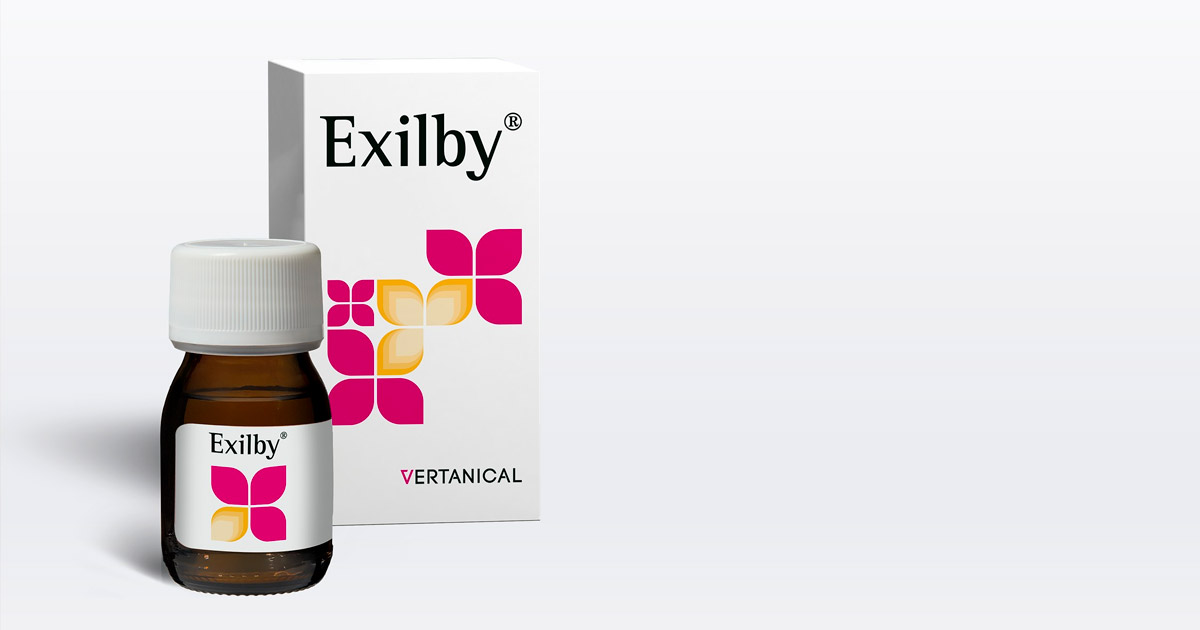
New York State has authorized a clinical trial of a THC-based medication for the treatment of chronic pain.
The study will evaluate the VER-01, an oral solution developed by the German pharmaceutical company Vertanical GmbH, in patients with chronic, painful lumbosacral radiculopathy, commonly known as sciatica.
Announced on October 2, 2026, by the New York State Office of Cannabis Management (OCM), this authorization marks the first clinical trial of VER-01 involving human participants in the United States. The study will aim to determine whether the treatment can provide lasting pain relief while establishing its long-term safety profile.
New York Paves the Way for Clinical Research on VER-01
The New York Cannabis Control Board (CCB) issued a research license authorizing Upstate Clinical Research Associates, based in Williamsville, to participate in the VER-01 study. Conducted on behalf of Vertanical GmbH, this study will also involve other clinical research sites across the United States.
Unlike observational studies involving patients who already use medical cannabis, this trial will follow a controlled clinical protocol designed to evaluate the drug’s therapeutic efficacy. The researchers will compare VER-01 versus a placebo to determine whether the THC-containing formulation provides statistically and clinically significant improvements in pain relief.
The study will also assess whether the potential benefits persist over time and identify the risks associated with long-term use. The target population consists of patients with persistent sciatic pain who have not responded adequately to non-opioid analgesics.
For New York’s regulatory authorities, this authorization reflects a broader goal: to make the state a leading hub for cannabis-based medicines scientifically validated.
«This is an important moment for cannabis research in New York and for the future of evidence-based cannabis medicine,» said John Kagia, executive director of the New York Cannabis Management Office.
«For decades, prohibition and criminalization have limited researchers» ability to fully understand cannabis and its potential therapeutic applications. Clinical trials like these give us the opportunity to develop safe and effective solutions for people suffering from conditions that can be difficult to treat.”
Can THC offer an alternative for patients with chronic sciatica?
Sciatica, or lumbosacral radiculopathy, occurs when the nerve roots in the lower spine are irritated or compressed. This condition can cause pain that radiates from the lower back to the buttocks and legs, sometimes accompanied by numbness, tingling, or muscle weakness.
Although many cases improve with conservative treatment, some patients develop persistent symptoms that significantly affect their mobility, sleep, and quality of life.
Treatment options may include physical therapy, medications, injections, and, in some cases, surgery. However, managing chronic nerve pain remains a challenge, particularly when conventional treatments do not provide sufficient relief.
It is this therapeutic gap that the VER-01 aims to address.
This investigational drug contains tetrahydrocannabinol (THC), the main psychoactive compound found in cannabis. THC interacts with the endocannabinoid system in the body, which plays a role in several physiological processes, including pain modulation.
The VER-01 remains an experimental drug in the United States.
Growing International Interest in Cannabis-Based Pain Medications
This U.S. research program is part of a broader pharmaceutical effort aimed at studying Cannabinoid-based treatments for chronic pain.
In Europe, VER-01 has already drawn the attention of regulatory authorities following developments regarding cannabis-derived medications intended for the treatment of chronic pain.
As Newsweed previously reported, European regulatory developments regarding VER-01 have highlighted the growing interest in standardized cannabinoid formulations within conventional pharmaceutical settings.
Across the Atlantic, this treatment has also been the subject of regulatory discussions in the United States regarding innovative cannabis-based pain therapies.
Scientific evidence versus isolated accounts
The purpose of the trial is not to assume that cannabis has benefits, but to determine whether those benefits can be scientifically demonstrated.
«Clinical research allows us to go beyond isolated anecdotal evidence and evaluate cannabis-based medications with the same rigor applied to any other therapy,» said Dr. Nakesha Abel, Director of Scientific Programs and Research, responsible for health and scientific affairs at the OCM.
«Well-designed trials not only determine whether a treatment is effective, but also at what dose, for which patients, and with what risks. It is this evidence that guides informed clinical and regulatory decisions.»
Dr. James E. Wild, representing Upstate Clinical Research Associates, also explained the importance of patient safety and methodological rigor throughout the study. The research team will be responsible for generating reliable clinical data while complying with regulatory requirements.






















Chronic Sciatica: New York Approves First Clinical Trial of a THC-Based Medication

United States: The DEA is accelerating the integration of medical cannabis at the federal level

Florida is nearing one million patients using medical cannabis

Uruguay Revives Its Plan to Allow Tourists to Legally Access Cannabis

In Brazil, researchers are developing an innovative CBD eye drop

Autism: Medical Cannabis Is Linked to Reduced Anxiety

The $28 billion U.S. hemp market remains under threat

Jamaica Eases Small Farmers' Access to the Cannabis Market

Faced with resistance from Aurora, Curaleaf raises its offer by 25%

Massachusetts: 71.1% of voters want to keep cannabis legal
-
 Business4 days ago
The legal cannabis market in New York exceeds 4 billion $ in revenue
-
Cannabis and driving4 weeks ago
Cannabis and CBD: French Drivers Can Now Lose Their License Even Without a Positive Test Result
-

 Cannabis in France2 weeks ago
Which countries legalized medical cannabis before France?
-
Business2 weeks ago
South Korea is preparing to begin local production of medical cannabis to meet rising demand
-
Cannabis in the Netherlands3 weeks ago
One year after the launch of the Dutch cannabis experiment, the first trends are emerging
-
Cannabis in Thailand2 weeks ago
From the boom in dispensaries to a purely medical approach: Thailand is revising its cannabis policy
-
Cannabis in France4 weeks ago
French medical cannabis remains stalled at the Ministry of Health
-
Cannabis in Argentina3 weeks ago
Argentina Opens Its Market to Hemp Flowers Containing 1% of THC















You must be logged in to post a comment Login