


Grinder cannabis: types, materials and user guide
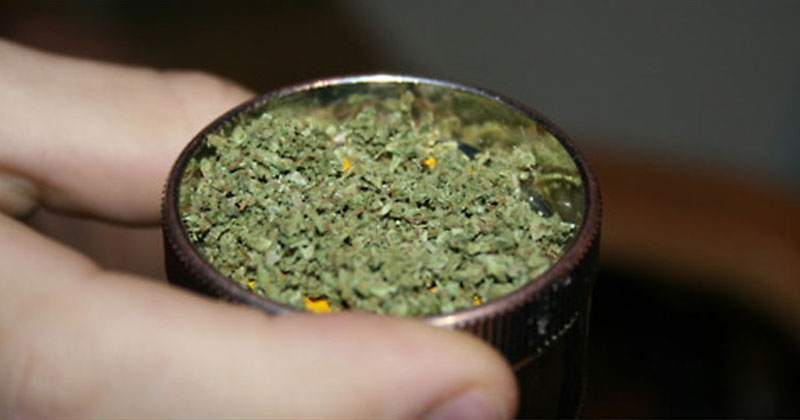
A device used to grind weed that breaks cannabis flowers into smaller pieces for joints, blunts and pipe bowls. Place the piece of flower between the teeth of the grinder, then turn the top and bottom of the grinder in opposite directions to break up the flower. Grinders can include a collector of kief in the lower chamber to collect the kief that detaches from the nug during the grinding process.
Who invented the grinder?
The origins of the grinder date back to the early 20th century, when Lewis Heim, an engineer working for The Ball and Roller Bearing Co. in Danbury, Connecticut, invented the first centerless grinding machine as an industrial tool for processing plant material on a large scale.
People soon realized that the centerless grinder could also be effective for processing individual plants, and it was eventually scaled down for use in pharmacies and apothecaries. Grinders began to gain popularity as a means of breaking down cannabis flower in the 1960s.
What's a grinder for?
The purpose of a weed grinder is to grind cannabis flowers to a finer, smoother, balanced consistency. Grinders are mainly used to enhance the smoking experience by breaking down the cannabis flower evenly to roll a joint, use rolling papers or load a bowl.
You may not need a grinder to break heads down into smaller pieces, but using a grinder decreases the likelihood of clogging your pipe, allows you to vaper flower more evenly, and allows joints and blunts to burn more easily.
Grinders offer a variety of other benefits to cannabis consumers. They can save you time by making it quicker and easier to grind your herb. Using a grinder also preserves the trichomes, which can be ripped from your cannabis plants. nugs if you handle them too much.
For arthritis sufferers, grinders can also eliminate the pain and difficulty of breaking off small buds by hand. Grinders can, however, require a certain amount of strength to cut through the stickiest buds. Arthritis patients should either look for grinders known for their ease of use, or take extra precautions when dealing with a sticky variety of cannabis.
What are the different types of grinders I can buy?
While the basic mechanics of the grinder have remained the same over the years, since it was first adopted by cannabis consumers, additions have been made to its design to increase its effectiveness. Today, grinders come in many shapes and sizes.
Basically, they use two adaptable components that each have small, sharp teeth to chop your grass when you turn the two components in opposite directions with your hands. You can find a grinder with the logo of your favorite sports team or with decorations to suit your personal taste. The grinders you'll find today are normally made from three materials:
The metal
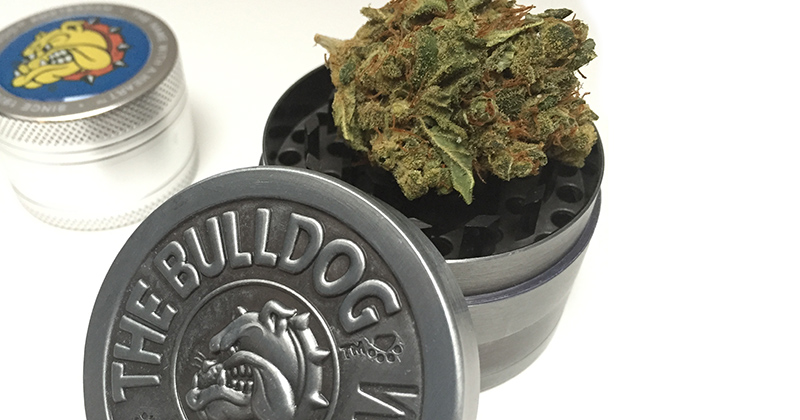
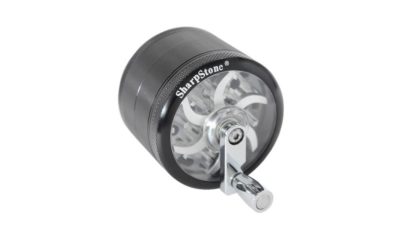
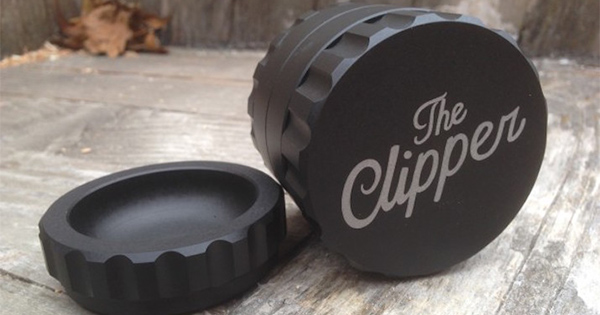
Although metal grinders can be slightly more expensive than grinders made from other materials, they are a top choice for many cannabis consumers thanks to their durability and efficiency. The teeth tend to stay sharper, making it easier to break down the flower. Metal grinders are also easy to clean.
Wood
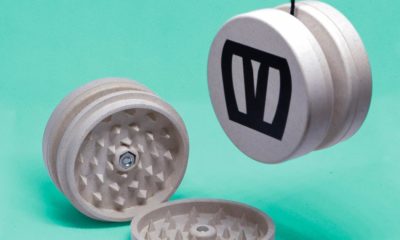
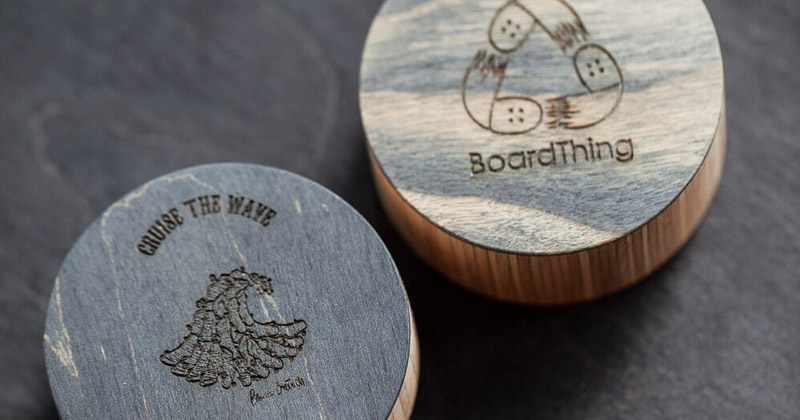
Wooden grinders are often the most artistic in terms of design, but they are much harder to clean and less efficient, as resin and residues tend to build up in wooden grinders, making them less effective over time.
Plastic
Plastic is by far the most affordable shredding material, but also the least reliable. The teeth of a plastic grinder can dull quite quickly - or break off entirely - making it much more difficult to grind flowers.
| Material | Durability | Cleaning | Grinding quality | Price | For whom |
|---|---|---|---|---|---|
| Metal (aluminum) | High | Easy | Excellent | Medium | Regular use |
| Metal (titanium) | Very high | Easy | Excellent | High | Demanding consumers |
| Wood | Average | Difficult | Good | Variable | Aesthetic use |
| Plastic | Low | Easy | Poor | Low | Occasional use |
Grinder sizes
In addition to different materials, grinders also come in different sizes, from the two-piece grinder, ideal for the occasional user, to the five-piece grinder for the experienced smoker. The standard grinder sizes are as follows:
5-piece grinder
Five-piece grinders include:
- A lid (the top of the mill)
- A grinding chamber
- A storage chamber
- Two kief collectors
4-piece grinder
You can also opt for a 4-piece herb mill. A 4-piece mill includes :
- A lid
- A mill background
- A storage chamber
- Grass catcher
A 3-piece grinder
The 3-chamber grinder comprises a lid, a grinding chamber and a storage chamber.
Grinder in 2 parts
These simpler units are generally more economical than three-, four- or five-piece units. They simply comprise a lid and a mill base, which also serves as a bud collector.
Flat mill
Flat grinders sacrifice some functionality for convenience and space-saving. These grinders are designed to slip easily into a pocket or wallet, and look very much like a cheese grater.
Electric shredder
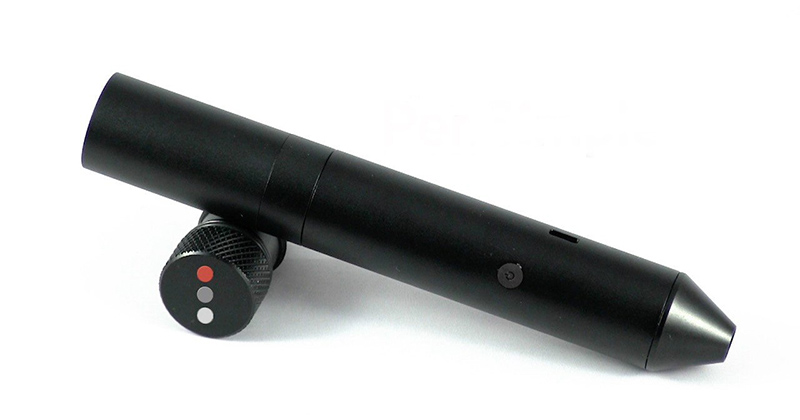
Electric shredders are options for anyone who needs a completely hassle- and pain-free way to break bud.
Where to buy a grass grinder
Grinders are available both online and in almost any smoke store, head store or glass gallery. Technically speaking, they're marketed as 'weed» or »spice' grinders, which means they're totally legal and available from mainstream retailers. However, if cannabis residue is found on a grinder in a region where cannabis is not legalized, it could be considered drug paraphernalia and subject to criminal penalties.
How to use a grinder
Remove the lid, separate the cannabis flower and place the pieces between the teeth of the grinder. Put the lid back on the grinder and turn about 10-15 times, until all the flower has fallen into the storage chamber. You may need to repeat this process after tapping the lid to loosen any pieces that have become jammed between the grinder teeth. Unscrew the storage chamber and remove the decomposed flower for use in joints, blunts or bowls.
Use a grinder or grind by hand
Although using a grinder has several advantages, breaking your flower by hand can sometimes produce a better smoking experience. It may also be preferable to break a flower by hand if it is exceptionally resinous and sticky, and therefore more likely to clog your grinder. Some flower smokers prefer to break buds by hand to maintain a close bond with the cannabis plant.
What to do with the kief collected in your grinder?
If your grinder is equipped with a kief collector, when kief builds up over time, you can scrape it off with a piece of paper and use it in a recipe for an edible product, or sprinkle it on a joint, blunt or bowl for extra power. You can also press kief into hash or rosin, or sprinkle it into your coffee or tea.
To find out all about its properties and uses, see our article on kief.
What's the best grinder for kief?
The kief collector at the bottom of the mill makes the 5-piece mill the best mill for kief. This mill conveniently collects all the kief that falls from your bud as it is ground. Your bud chamber will have a screen that allows trichomes to fall through the collector.
When not to use a grinder
Resin build-up in your grinder is more or less inevitable, but depending on the quality of your grinder, a particularly sticky bud may clog it after one or two uses. If you're working with a particularly sticky or resin-covered flower, you might consider breaking it up with your hand.
Never put moonrocks in your grinder. Moonrocks are cannabis flowers soaked in extracts and rolled in kief. They will completely clog your grinder and remove most of the kief coating from the moonstone. Also avoid putting any other type of concentrate-infused flower into a grinder.
How to clean a dirty grinder
When dealing with sticky, resinous cannabis, the build-up of grime can mean that even the best-made grinder won't work as well as new.
As with the cleaning of anything cannabis-related, isopropyl (rubbing) alcohol is a good place to start for cleaning a grinder. Rub each part of your grinder with isopropyl alcohol and salt (Epsom, kosher or even normal table salt).
For particularly difficult cases, unscrew each part from your grinder and soak it in a small container of isopropyl alcohol. After a few hours, you should be able to remove the parts. Then wash them thoroughly with soap and water, and they should be as good as new.









CBD is said to promote athletic recovery, without improving performance

294 cannabis clubs in Chile: a booming movement with uneven distribution

Chronic Sciatica: New York Approves First Clinical Trial of a THC-Based Medication

United States: The DEA is accelerating the integration of medical cannabis at the federal level

Florida is nearing one million patients using medical cannabis

Uruguay Revives Its Plan to Allow Tourists to Legally Access Cannabis

In Brazil, researchers are developing an innovative CBD eye drop

Autism: Medical Cannabis Is Linked to Reduced Anxiety

The $28 billion U.S. hemp market remains under threat

