Cannabinoids from hemp could form the basis of natural pesticides

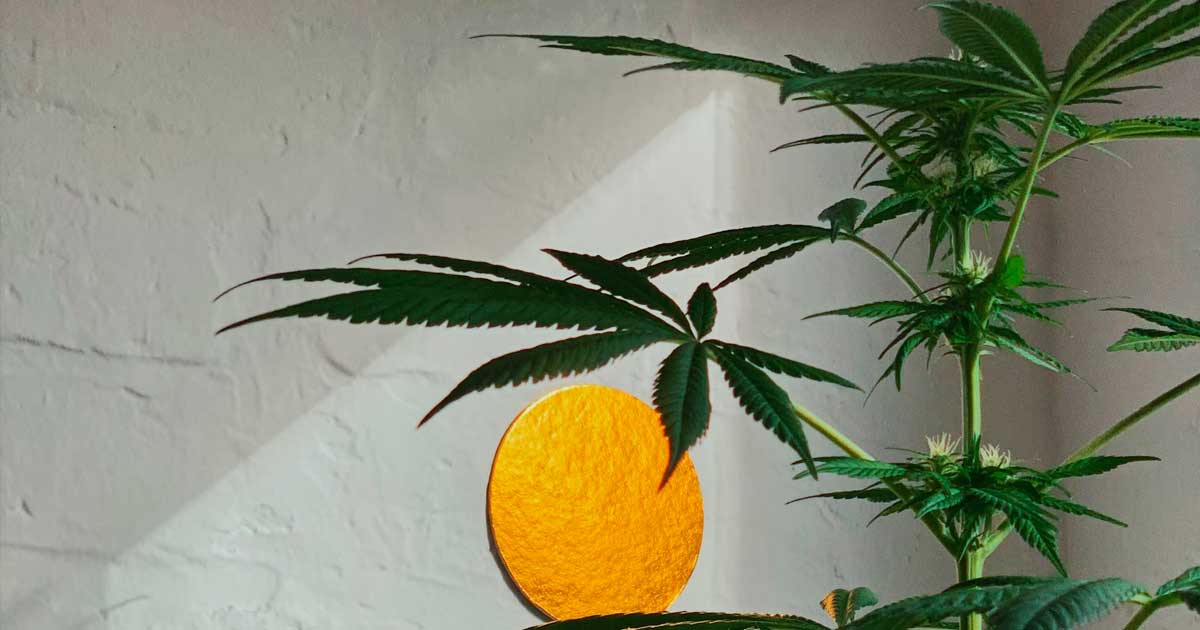
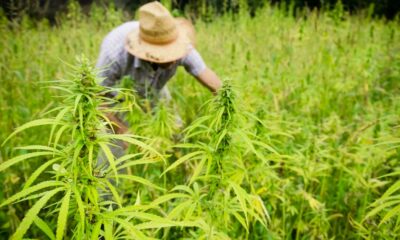
In a recent study conducted at Cornell University, researchers uncovered a potential agricultural breakthrough: the cannabinoids present in hemp could serve as the basis for natural pesticides.
The study, led by Larry Smart, plant breeder and professor at the School of Integrative Plant Science in the College of Agriculture and Life Sciences from Cornell AgriTech, highlights the defensive properties of cannabinoids against herbivores, opening up new possibilities for sustainable pest management in agriculture.
The defensive role of cannabinoids
Cannabinoids have been around for decades, including CBD and THC, are mainly studied for their medicinal and psychoactive effects. Recent research at Cornell suggests that these compounds could play a crucial role as «defensive compounds» in plants, protecting them from ultraviolet rays, pathogens and herbivores.
Larry Smart notes: «It was assumed that these were defensive compounds because they accumulate mainly in female flowers to protect the seeds, which is a fairly common concept in plants».
Cornell's hemp breeding program, launched in 2017, provided a platform for this groundbreaking discovery. Different hemp cultivars were evaluated for their susceptibility to pests, with varieties lacking cannabinoids suffering significant insect damage. Conversely, varieties containing cannabinoids, such as CBDA and CBGA, In the case of the Japanese beetle, there was much less damage caused by pests such as the Japanese beetle.
Experimental and future prospects
Controlled laboratory feeding studies have isolated CBDA and CBGA, the precursor compounds of CBD and CBG. The researchers observed that as the concentration of cannabinoids increased, insect larvae showed reduced growth and lower survival rates.
George Stack, postdoctoral researcher who participated under study, explains the importance of these results: «The study gives us insight into how cannabinoids function in natural systems and can help us develop new THC-compliant hemp cultivars that maintain these integrated natural defenses against herbivores».
Although the potential use of cannabinoids as an adjuvant for pesticides is exciting, challenges remain. The study highlights the need for further research to identify the specific pests against which cannabinoids are effective. Regulatory barriers, arising from the pharmacological effects of these compounds, are also obstacles to their widespread adoption in agriculture.
Future research will explore the impact of cannabinoids on sap-sucking insects such as aphids, and assess whether other cannabinoid-producing plant species share similar insecticidal properties. The researchers are particularly intrigued by the concept of convergent evolution, whereby the same adaptation appears independently in different species.























JIHE 2026: Japan’s Largest Trade Show Dedicated to Hemp and CBD Returns to Tokyo with More Than 100 Industry Players
New Caledonia: The Courts Clear the Way for the Return of CBD

The Brazilian medical cannabis market continues to grow

Morocco: Three Cannabis-Based Medications Approved for the Treatment of Epilepsy

Canopy Growth Receives New EU-GMP Certification to Strengthen Its Presence in Europe

Three years after legalizing medical cannabis, Albania continues to establish regulations for it

The first plant-based medical THC spray arrives in the United Kingdom

Medical Cannabis in Germany: THC Prices Vary by a Factor of 12

France already has 3,000 cannabis retail outlets. None of them are legal.

Morocco's exports of legal cannabis have expanded to 15 countries
-
 Business2 weeks ago
The legal cannabis market in New York exceeds 4 billion $ in revenue
-

 Cannabis in France4 weeks ago
Which countries legalized medical cannabis before France?
-
Business4 weeks ago
South Korea is preparing to begin local production of medical cannabis to meet rising demand
-
Cannabis in France4 days ago
France already has 3,000 cannabis retail outlets. None of them are legal.
-
Cannabis in Thailand4 weeks ago
From the boom in dispensaries to a purely medical approach: Thailand is revising its cannabis policy
-
Cannabis in the U.S.5 days ago
A DEA report confirms that there are no fatal cannabis overdoses
-
Cannabis and driving3 weeks ago
Medical Cannabis and Driving: New South Wales Ends Automatic Penalties for THC
-
Cannabis in France3 weeks ago
France’s Drug Policy Chief Defends Cannabis Prohibition... and Runs Into the Facts















You must be logged in to post a comment Login