From Iceland to Fiji, the return of hemp houses

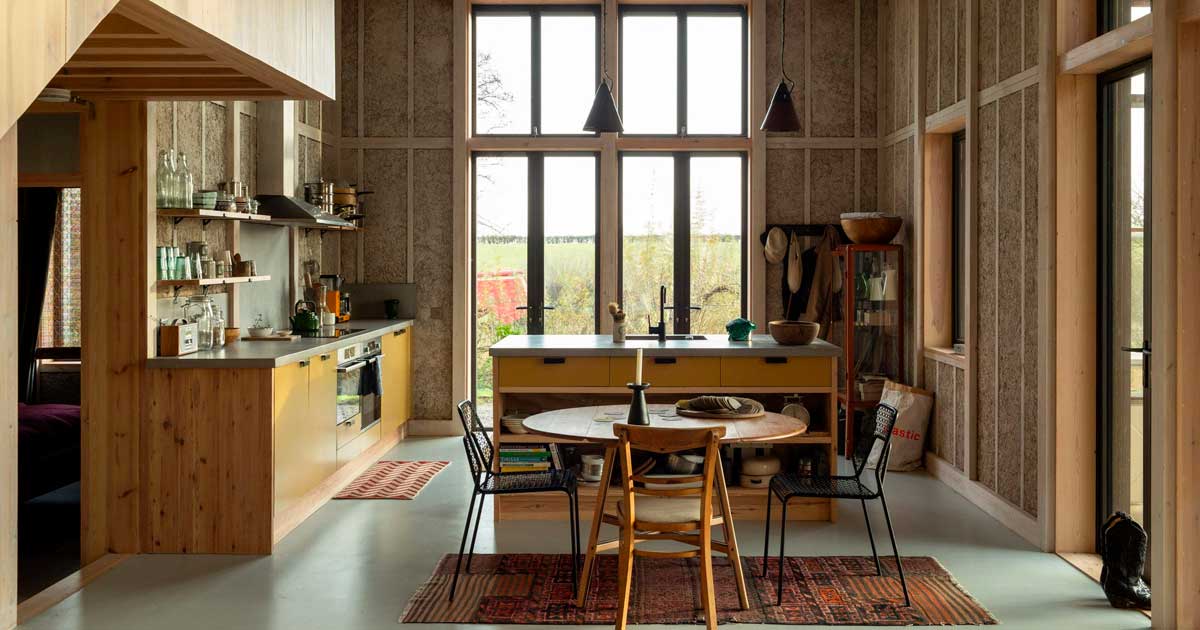
Hemp, often considered a miracle plant, Hemp is increasingly recognized as a versatile raw material. In the housing sector, the advantages of hemp construction are becoming increasingly apparent, offering sustainable, environmentally-friendly alternatives to conventional building materials.
Advantages of building with hemp
Building a house with hemp offers a series of undeniable advantages in terms of environmental sustainability, structural integrity and general well-being. As a fast-growing, renewable resource, hemp stands out for its minimal impact on the environment. Hemp crops absorb carbon dioxide as they grow and, when used in construction, materials such as hemp concrete continue to sequester carbon, helping to reduce greenhouse gas emissions.
The structural advantages of hemp construction further enhance its appeal. Hemp concrete, a popular building material derived from hemp fibres (chenevotte), lime and water, offers exceptional thermal properties. Its high insulating capacity helps improve the energy efficiency of the home, reducing the need for additional heating or cooling. Beyond energy considerations, hemp materials are durable, pest- and fire-resistant, promoting the longevity and safety of the built environment.
Beyond the environmental and structural aspects, building with hemp has a positive impact on indoor air quality and occupant health. Hemp materials are non-toxic and allergen-free, creating a healthier living space by avoiding the emission of harmful substances typically associated with traditional building materials. As awareness of the importance of sustainable living grows, the versatility of hemp in design becomes a key factor. Architects and builders appreciate hemp's flexibility, enabling innovative and aesthetically pleasing architectural designs.
The Grímsnes project in Iceland
In 2020, architects Anna Karlsdóttir and Jan Dobrowolski embarked on the construction of Iceland's first hemp and lime building, inspired by Japanese teahouses and emphasizing natural, eco-friendly building techniques. The Grímsnes project, located in southern Iceland, benefited from subsidies from various funds and involved German journeymen training in Iceland. The resulting 15-square-meter prototype demonstrated the tangible benefits of hemp concrete, such as non-toxicity, insulation, fire resistance and soundproofing.
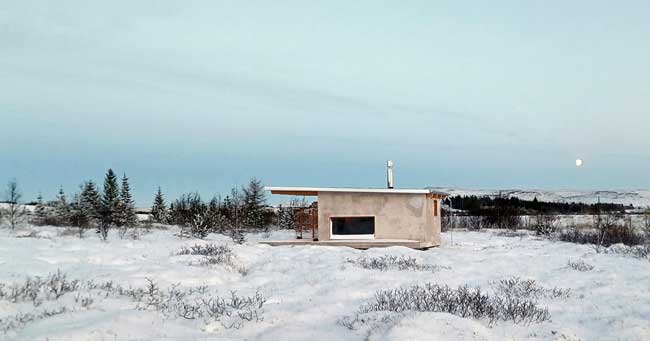
Hemp house in Iceland
The health benefits of hemp houses were highlighted, as the walls are made of breathable natural materials that help maintain optimal temperature and humidity levels. The Grímsnes project is testimony to the potential of hemp construction to provide environmentally-friendly solutions and create healthier living spaces.
Fiji's hemp house on the island of Taveuni
Cat 5 Builders, based in Taveuni, Fiji, took on the challenge of building the region's first hemp house on the garden island of Taveuni. The hemp blocks, imported from France, were assembled like Lego bricks, demonstrating the material's ease of use and speed of construction.
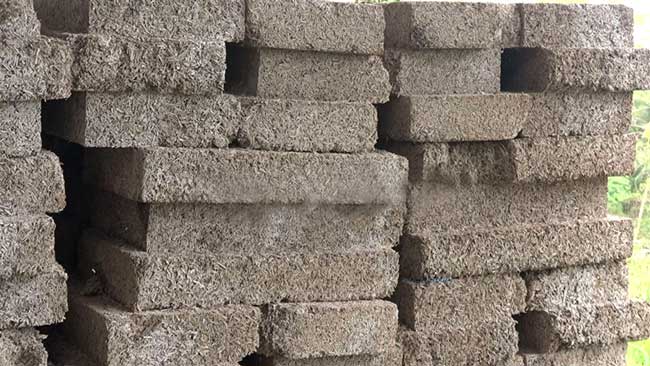
Hemp concrete blocks used in the Fijian house
Toga Kalougata, the company's managing director, emphasized the fire resistance and cooling properties of hemp houses. Despite the difficulties encountered, such as high import costs, the project underlines the feasibility of hemp construction in various geographical areas.
UK's Flat House in Cambridgeshire
The Flat House, located in Cambridgeshire in the UK, is a unique dwelling built from hemp. The building's owner, Gemma Barron, praised hemp walls for their acoustic qualities and energy efficiency.
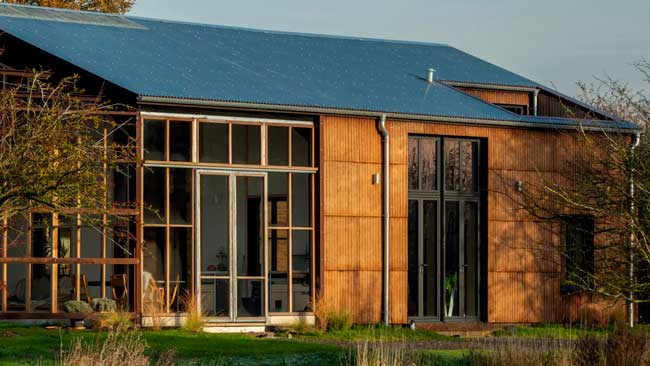
The Flat House made of hemp
Hemp concrete, made from the woody core of the hemp plant, was used as the main building material, offering high thermal mass and carbon capture capabilities. One of the aims of the project was to illustrate the potential of hemp construction to contribute to the fight against climate change. decarbonizing the construction industry.
Overall challenges and potential
Although hemp construction holds great promise, several challenges stand in the way of its widespread adoption. Regulatory changes, technical certifications and the need for infrastructure and financing are all obstacles to increasing industrial hemp production. In the UK, hemp concrete manufacturing capacity is not yet suited to large-scale production, resulting in high costs and limited availability. Legal regulations, particularly with regard to hemp cultivation, vary from country to country, affecting the material's accessibility.
Despite these difficulties The United Nations has recognized the potential of industrial hemp, urging countries to clarify legal statutes, tackle regulatory constraints and promote regional cooperation.
















Medical Cannabis in Germany: THC Prices Vary by a Factor of 12

France already has 3,000 cannabis retail outlets. None of them are legal.

Morocco's exports of legal cannabis have expanded to 15 countries

Aurora Cannabis Doubles Its Production Capacity in Germany

Tilray is accelerating its operations in Europe thanks to a license in Portugal

Boston will host the 10th annual State of the Cannabis Industry Conference on October 26

A DEA report confirms that there are no fatal cannabis overdoses

A British patient is challenging the NHS's refusal to reimburse medical cannabis

October 2026 CBD Highlights: 10 Strains and Hash to Discover from 5 French Producers

CBD in France: Traceability, Retail Stores, THC and Driving… What the New Bill Proposes
-
 Business2 weeks ago
The legal cannabis market in New York exceeds 4 billion $ in revenue
-

 Cannabis in France3 weeks ago
Which countries legalized medical cannabis before France?
-
Business3 weeks ago
South Korea is preparing to begin local production of medical cannabis to meet rising demand
-
Cannabis in Thailand3 weeks ago
From the boom in dispensaries to a purely medical approach: Thailand is revising its cannabis policy
-
Cannabis and driving3 weeks ago
Medical Cannabis and Driving: New South Wales Ends Automatic Penalties for THC
-
Cannabis in Argentina4 weeks ago
Argentina Opens Its Market to Hemp Flowers Containing 1% of THC
-
Autism3 weeks ago
Autism and Cannabis: Results from the First Placebo-Controlled Trial of NTI164
-
Cannabis in France2 weeks ago
France’s Drug Policy Chief Defends Cannabis Prohibition... and Runs Into the Facts
















You must be logged in to post a comment Login