
Hemp fibers to replace polluting materials in electronics?

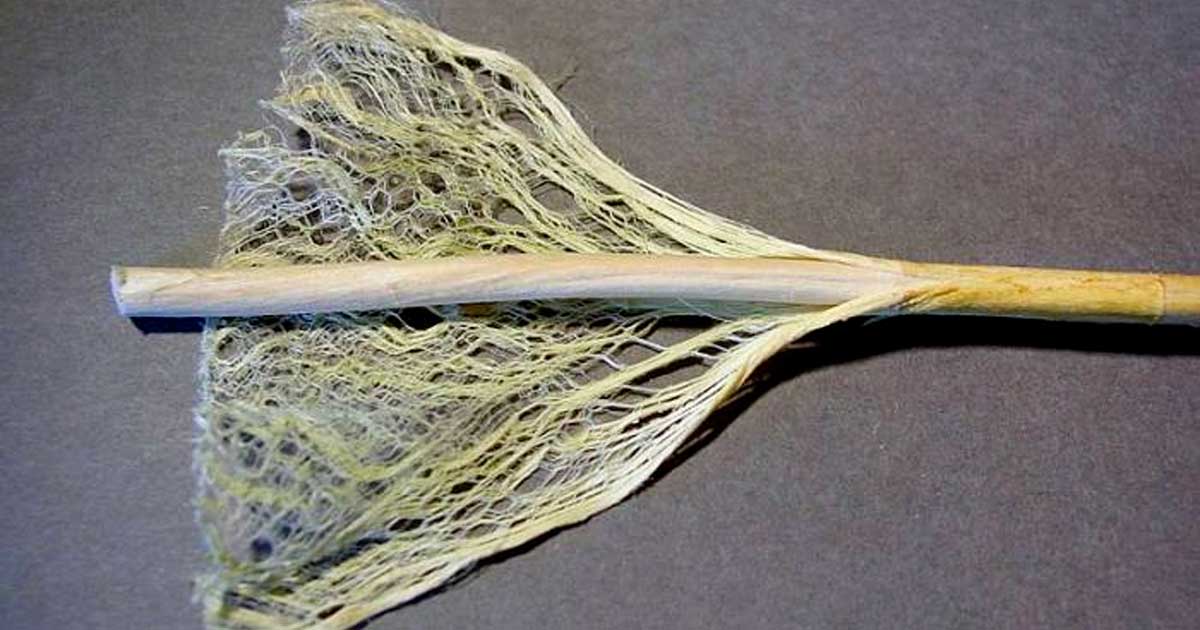
British researchers are working to promote the use of hemp and other natural fibers to replace polluting materials in conventional printed circuit boards, we learn Hemp Today.
Experts from Jiva Materials, based in Waterlooville, and the University of Portsmouth recently received a grant from the United Kingdom to continue developing and commercializing the concept, which has also been studied in Germany and Sweden.
Printed circuit boards (PCBs), used in everything from pacemakers to rockets, are the ubiquitous, hidden “brains” of modern technology. For more than 70 years, the rigid laminates needed to manufacture printed circuit boards have been produced using highly polluting epoxy-coated glass fibers.
At the end of their life cycle, less than 50% of the electronic waste from these cards is recyclable, and the gold, silver, and platinum content is generally too low to be recovered.
The Problem of Electronic Waste
«Electronic products represent a growing waste problem worldwide,» said Mr. Jiva in a press release announcing the partnership with the university’s Advanced Polymers and Composites (APC) research group.
«On average, each person in the world generates 7.5 kg of electronic waste per year. It is estimated that PCBs account for 8 % of all electronic waste.».
The alternative developed by Jiva and researchers at the APC consists of impregnate hemp fibers a water-soluble, halogen-free flame retardant, which makes it easier to recover electronic components containing precious materials when PCBs are disposed of.
Rigid PCB laminates made from natural fibers and fully recyclable may have a carbon footprint 60 % lower than that of glass-fiber and epoxy-based technologies, and can reduce the amount of critical minerals ending up in UK landfills each year by 8 billion pounds (10 billion euros), Jiva said.
Fully compatible
According to the researchers, bio-based laminates can be fully compatible with existing processes such as acid/alkali etching, electroplating, drilling, routing, and curing required for PCB production.
Jiva has already produced a water-soluble PCB from a flax-based composite that breaks down when immersed in hot water for an extended period. The grant will enable the research team to continue its study of flax and begin exploring the potential of hemp- and jute-based composites.
The APC research group at the University of Portsmouth is part of the School of Mechanical and Design Engineering, which focuses on applied research in the field of sustainable composite materials and manufacturing through partnerships with industry.
Other uses for hemp fibers could include Replace the faux leather in cars or the graphene in automotive batteries.



















Cannabis and the Adolescent Brain: French Scientists Make a Key Discovery

EFSA Gives Initial Approval for Synthetic CBD; Natural Extracts Still Pending

Federal Cannabis Reform Once Again on Hold in the United States

Contest: Win a trip to Quebec to experience the hemp harvest firsthand

Bedrocan on Hold Amid Uncertainty Over Medical Cannabis

Newsweed Launches Its Own AI
A new tax of 0.5% could disrupt the hemp industry in Canada

Medical Cannabis and Driving: New South Wales Ends Automatic Penalties for THC

China's Yongji Health Takes Control of Tasmanian Botanics

Autism and Cannabis: Results from the First Placebo-Controlled Trial of NTI164
-
 Cannabis and driving3 weeks ago
Cannabis and CBD: French Drivers Can Now Lose Their License Even Without a Positive Test Result
-

 Cannabis in France6 days ago
Which countries legalized medical cannabis before France?
-
Cannabis in France3 weeks ago
Cannabis Legalization: The LFI Bill Has a Major Problem—THC
-
Cannabis in the Netherlands2 weeks ago
One year after the launch of the Dutch cannabis experiment, the first trends are emerging
-
Business6 days ago
South Korea is preparing to begin local production of medical cannabis to meet rising demand
-
Cannabis in Thailand6 days ago
From the boom in dispensaries to a purely medical approach: Thailand is revising its cannabis policy
-
Cannabis in Argentina2 weeks ago
Argentina Opens Its Market to Hemp Flowers Containing 1% of THC
-
Cannabis in France2 weeks ago
French medical cannabis remains stalled at the Ministry of Health














You must be logged in to post a comment Login