American states where cannabis is illegal consume more synthetic cannabinoids

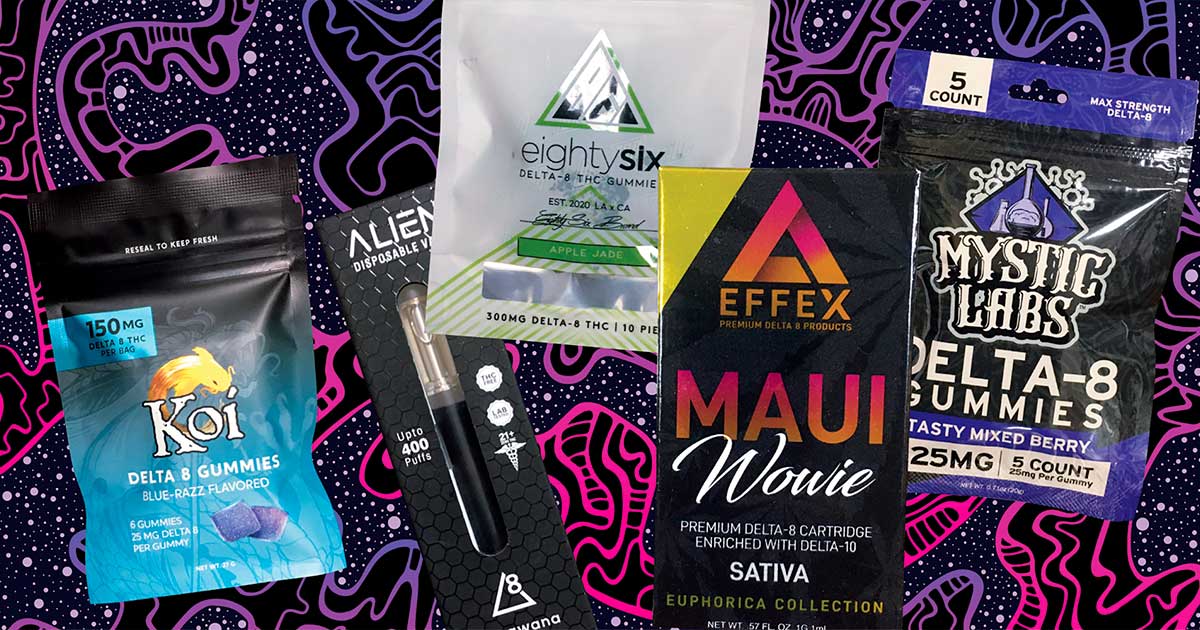
In the wake of the Farm Bill (Farm Bill) for 2018 legalizing hemp and its derivatives in the United States, the market for cannabinoids derived from hemp has experienced unprecedented growth. In particular, delta-8 THC, a less potent but still psychotropic compound, has grown considerably in popularity, offering an alternative to consumers looking for a legal high.
This evolution, particularly visible in states that have not adopted comprehensive cannabis reform measures, was recently the subject of a study published by the’American Medical Association (AMA). It highlights the impact of cannabis prohibition on the increasing consumption of synthetic cannabinoids.
The landscape of hemp-derived cannabinoids
The AMA-supported study, conducted by the University of Michigan, the University of Buffalo and the Legacy Research Institute, examined trends in lesser-known cannabinoids such as delta-8 THC, CBG and CBN, while also taking stock of CBD consumption. Conducted among 1,169 adults in June 2023, the study looked at the use and knowledge of these cannabinoids over the past year.
According to the study, 26.3% of participants said they had used cannabis in the past year, and 71.7% were aware of CBD. Delta-8 THC, CBG and CBN were known by 41.2%, 18.4% and 16.8% of participants, respectively. The data revealed a 50% increase in CBD consumption over the past four years, its accessibility having been facilitated by the new Farm Bill of 2018.
THC Delta-8 emerged as a notable player, with 11.9 % of participants reporting use in the past year. The study also revealed that 25.2 % of participants reported using an emerging cannabinoid in the past year. It is interesting to note that residence in U.S. states with cannabis laws is negatively correlated with delta-8 THC consumption, indicating that legal access to THC-based products derived from cannabis may deter consumers from exploring hemp-derived synthetic alternatives.
Influence of cannabis prohibition on delta-8 THC
The study postulates that cannabis prohibition unintentionally promotes popularity of delta-8-THC, a cannabinoid that occurs in minute quantities naturally, and is therefore synthesized from CBD in the laboratory. The authors point out that the prevalence of delta-8-THC use is higher in states without medical or adult-use cannabis laws, suggesting that legal restrictions unintentionally drive consumers towards this synthetic cannabinoid. People living in states without recreational cannabis laws were more than twice as likely to have used delta-8 THC in the past year.
The authors of the study emphasize the importance of these findings, stating, «The higher consumption of delta-8 THC in states without medical or adult-use cannabis laws suggests that cannabis prohibition may unintentionally promote delta-8 THC use.».
This observation raises concerns about the unintended consequences of cannabis prohibition, particularly in the youngest age groups, where cannabis use in the past year was more widespread.
The study acknowledges the lack of controlled human studies on neocannabinoids, but point out that survey data indicate that these products are commonly used to treat sleep or pain, as substitutes for other pharmaceutical products. In light of these findings, the authors advocate continued public health surveillance efforts to monitor new cannabinoids due to the lack of industry standards and the potentially similar effects of delta-8 THC and its hemp-derived equivalents compared to delta-9 THC.
The Drug Enforcement Administration (DEA) also commented on the issue, stating that synthetic cannabinoids were prohibited. A recent revelation of 2023 confirmed that delta-8 THC synthesized from legal CBD is considered a prohibited controlled substance by the DEA. The issue should be addressed head-on in the next version of the Farm Bill, initially scheduled for this year, but now postponed until 2024.



















Medical Cannabis in Germany: THC Prices Vary by a Factor of 12

France already has 3,000 cannabis retail outlets. None of them are legal.

Morocco's exports of legal cannabis have expanded to 15 countries

Aurora Cannabis Doubles Its Production Capacity in Germany

Tilray is accelerating its operations in Europe thanks to a license in Portugal

Boston will host the 10th annual State of the Cannabis Industry Conference on October 26

A DEA report confirms that there are no fatal cannabis overdoses

A British patient is challenging the NHS's refusal to reimburse medical cannabis

October 2026 CBD Highlights: 10 Strains and Hash to Discover from 5 French Producers

CBD in France: Traceability, Retail Stores, THC and Driving… What the New Bill Proposes
-
 Business2 weeks ago
The legal cannabis market in New York exceeds 4 billion $ in revenue
-

 Cannabis in France3 weeks ago
Which countries legalized medical cannabis before France?
-
Business3 weeks ago
South Korea is preparing to begin local production of medical cannabis to meet rising demand
-
Cannabis in Thailand3 weeks ago
From the boom in dispensaries to a purely medical approach: Thailand is revising its cannabis policy
-
Cannabis and driving3 weeks ago
Medical Cannabis and Driving: New South Wales Ends Automatic Penalties for THC
-
Cannabis in Argentina4 weeks ago
Argentina Opens Its Market to Hemp Flowers Containing 1% of THC
-
Autism3 weeks ago
Autism and Cannabis: Results from the First Placebo-Controlled Trial of NTI164
-
Cannabis in France2 weeks ago
France’s Drug Policy Chief Defends Cannabis Prohibition... and Runs Into the Facts

















You must be logged in to post a comment Login