
6 plants containing (almost) cannabinoids

The cannabinoids, the active compounds in cannabis that interact with our endocannabinoid system, are at the heart of scientific research into cannabis. Since THC was discovered by Prof. Raphaël Mechoulam in 1963, scientists set out to understand how cannabinoids affect our bodies and what their effects are.
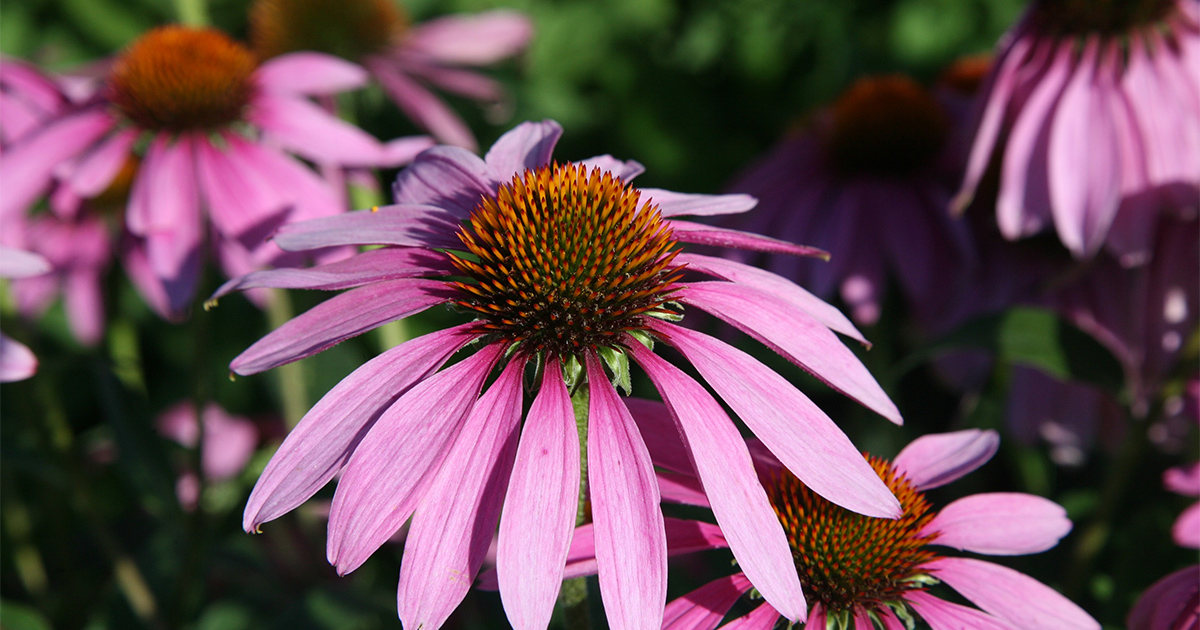
Some more classic plants have chemical compounds resembling cannabinoids: the Echinacea (flowers), black pepper or chocolate. And although they're not quite the same as cannabis, they also act on our endocannabinoid system.
The endocannbinoid system is a network of cell receptors found in mammals. In simple terms, this system regulates the’body homeostasis, which corresponds to the body's optimal functioning. It therefore acts on sleep, appetite, mood, pain, etc...
The scientific community is therefore interested in these phytocannabinoids and is on the lookout for plants containing them. Recently, researchers discovered that certain yeasts produced THCA, the acid form of THC.
Here are 6 plants that also contain cannamimetics, compounds that mimic the effect of cannabinoids.
Kava
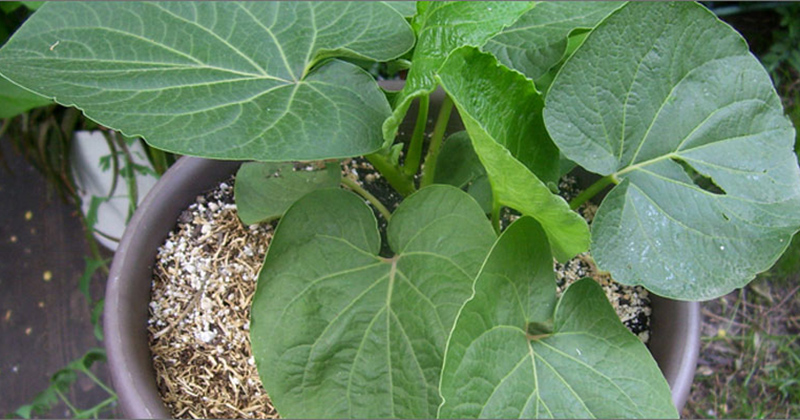
Kava is popular for its anti-anxiety properties and relaxing effects. Kava roots have been used for centuries by the peoples of the Pacific islands, and consumed in the form of a drink. The beverage apparently provides euphoric, pain-relieving and sedative effects.
These effects are mainly produced by molecules called kavalactones. One kavalactone in particular, yangonine, interacts with CB1 receptors, part of the endocannabinoid system. This is the same binding site as THC and is mainly found in the central nervous system. This interaction may be the main reason for the plant's anxiolytic effects.
Rosemary
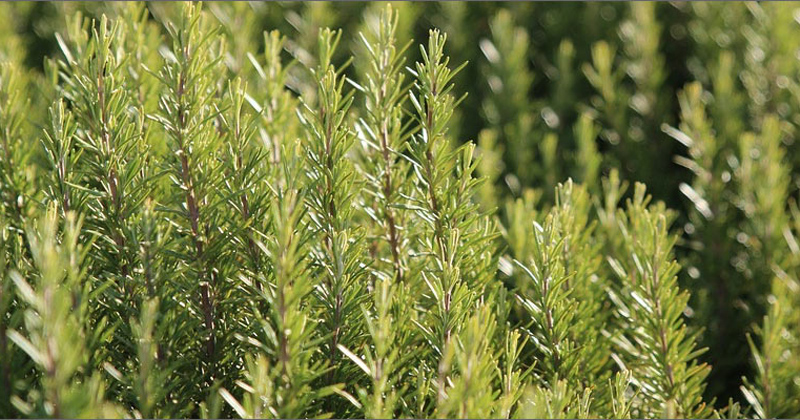
Rosemary, black pepper and cannabis all contain caryophyllene (BCP). BCP is a terpene which acts in the same way as a cannabinoid. Terpenes are the molecules that give plants their taste and smell. BCP is responsible for the pepperiness.
BCP has certain therapeutic potential. It engages the BC2 receptor, found mainly in the immune system. Recent research also shows that BCP acts as an anti-depressant. Combined with cannabinoids such as THC or CBD, this terpene could help cure stomach ulcers and kick addiction (source).
Hepatic - Radula
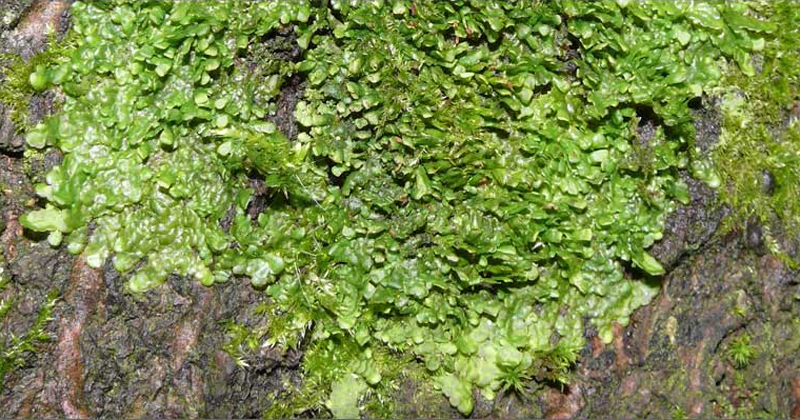
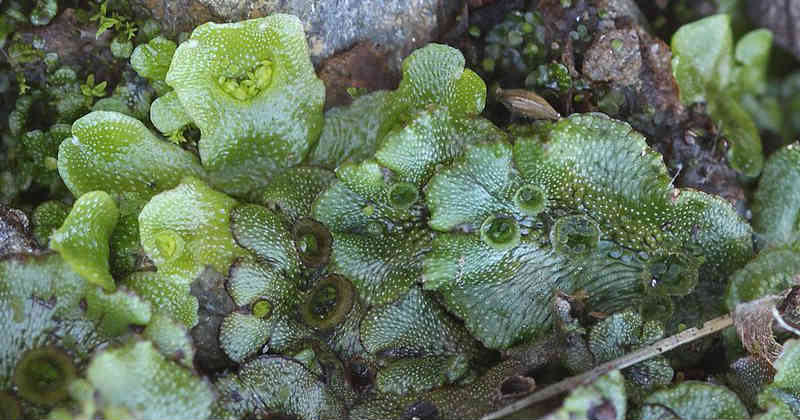
You've probably never heard of these species of foam containing molecules similar to THC and colonize wetlands. And yet, the first research on the presence of cannabinoids in these plants dates back 20 years.
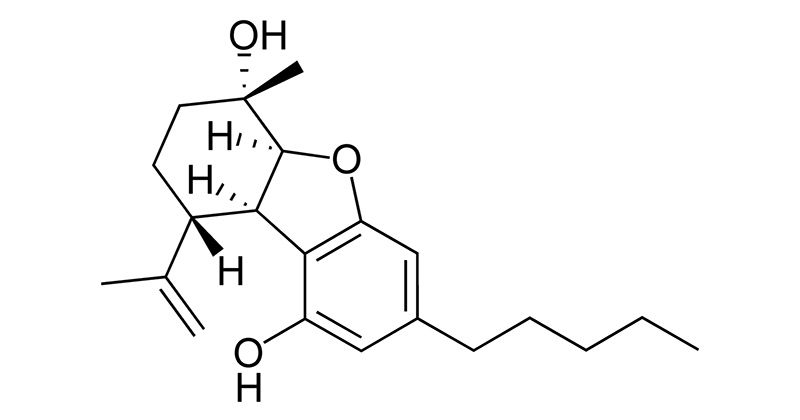
The cannabinoids present in liverworts are perrottetinene and its acid version. Their structure is similar to that of THC. From recent studies suggest that these compounds are cannabimimetic: they act with the endocannabinoid system like the phytocannabinoids in cannabis.
Helichrysum Umbraculigerum
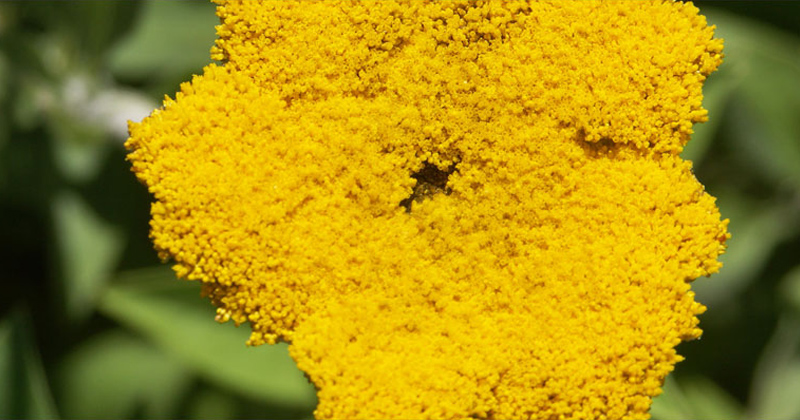
While the above plants behave like cannabinoids in the body (they interact in the same way with the endocannabinoid system), scientists are also looking for plants that contain exactly the same chemical compounds. One particularly interesting discovery comes from a South African flower, Helichrysum umbraculigerum.
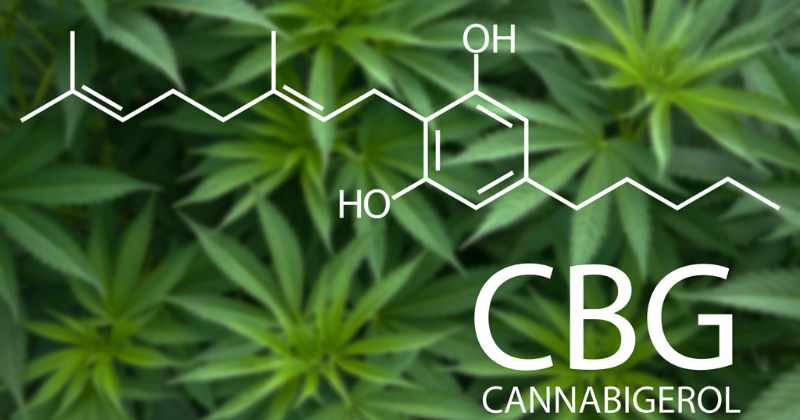
The researchers found cannabigerol (CBG) and its acid form. CBG is involved early in the cannabis growth cycle and is thought to be a precursor of THC and CBD.
CBG shows potential as an antibiotic and antidepressant. Helichrysum is the first plant outside cannabis to contain this molecule. It is traditionally smoked in South Africa.
Maca
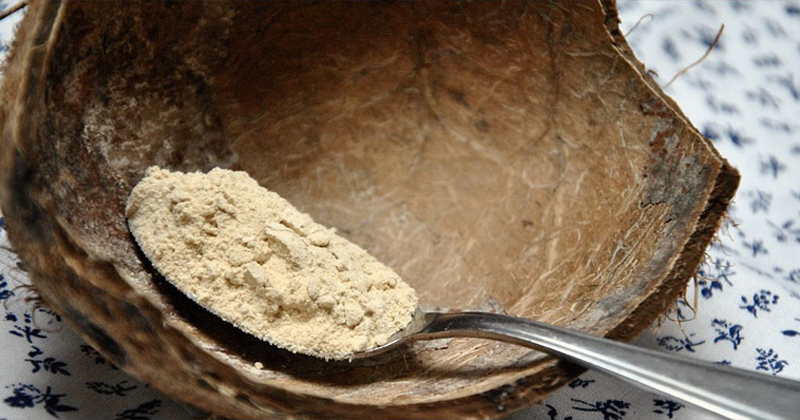
Maca reproduces one of the mechanisms of CBD, the main non-intoxicating compound in cannabis with the following properties numerous medical properties. One of its functions is to block an enzyme that breaks down endocannabinoids, the cannabinoids produced by the body. Preventing their breakdown increases their number in the body. The effects are a priori a stabilization of homoestasis.
Certain compounds in maca, a root plant native to the Andes, also block the enzyme responsible for destroying endocannabinoids.
Black truffles
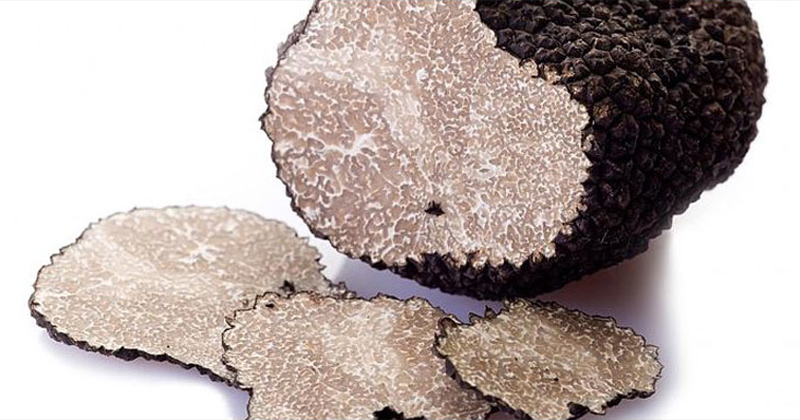
To the surprise of many scientists Italian researchers have discovered that black truffles created anandamide, the happiness molecule, a human version of THC, which binds to CB1 receptors.
The funny thing is that these truffles have no endocannabinoid receptors, but still produce anandamide. The reason given is that anandamide attracts animals that eat it, thus spreading its spores.







Medical Cannabis: 14 Organizations Finally Call for Enforcement of the Law

One year after the launch of the Dutch cannabis experiment, the first trends are emerging

High Ground: The Crash of a Plane Full of Marijuana That Made History in Yosemite

The United Kingdom Is Moving Closer to a Regulated CBD Market

Mexico's Supreme Court Authorizes Cannabis-Infused Edibles for Personal Use

French medical cannabis remains stalled at the Ministry of Health

Things are heating up between Sherbinski and Doja

Cookies Ordered to Pay $61.5 Million in a Dispute with Its Investors

Frenchfarm is launching its B1G1 clearance sale + free gift

Czech Republic: CBD shops selling synthetic cannabinoids are in the police's crosshairs
-
 Cannabis and driving6 days ago
Cannabis and CBD: French Drivers Can Now Lose Their License Even Without a Positive Test Result
-
Cannabis in France1 week ago
Cannabis Legalization: The LFI Bill Has a Major Problem—THC
-
Cannabis in Europe2 weeks ago
Andorra Paves the Way for Medical Cannabis Cultivation
-

 Cannabis in the Netherlands18 hours ago
One year after the launch of the Dutch cannabis experiment, the first trends are emerging
-
Cannabis in France2 weeks ago
Drought: Could Hemp Become the New Hope for French Farmers?
-
Business21 hours ago
The United Kingdom Is Moving Closer to a Regulated CBD Market
-
Cannabis in France2 days ago
French medical cannabis remains stalled at the Ministry of Health
-
Cannabinoids2 weeks ago
What if CBD enhanced the effects of THC? A comprehensive analysis challenges a common misconception










You must be logged in to post a comment Login