
Discovery: some moss species contain a molecule with THC-like effects

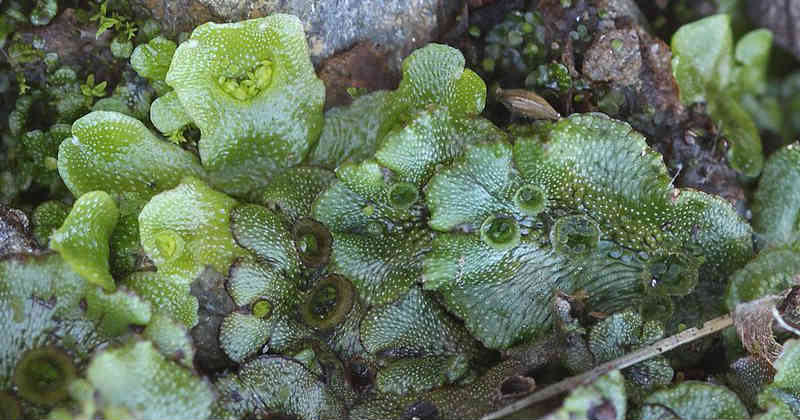
A team of researchers at the University of Bern in Switzerland recently discovered that a species of moss known as a liverwort, the Radula Marginata, contained components with properties similar to those of the THC. The molecule in question, perrottetenene (PET), was discovered in 1994 by Yoshinori Asakawa of Japan.
He first noticed that it had the same structure as THC. Today, the research team has shown that PET is similar to THC not only in structure but also in its effects. They published their findings in the journal Scientific Advances.
However, these foams are not the only ones plants that produce cannabinoids.
Effects similar to those of cannabis
To conduct their research, the researchers simply purchased the plant online, where it is sold as a legal substitute for cannabis. The species in question, the Radula Marginata, is native to New Zealand and Tasmania, where it grows in the wild before being harvested and dried for sale online.
To date, only three species of liverworts in the genus Radula (along with the Radula perrottetii and the Radula Laxiramea) — found in Japan, Costa Rica, New Zealand, and Tasmania — are known to produce this compound. Because plants produce very little of this substance, researchers have had difficulty studying its effects until now.
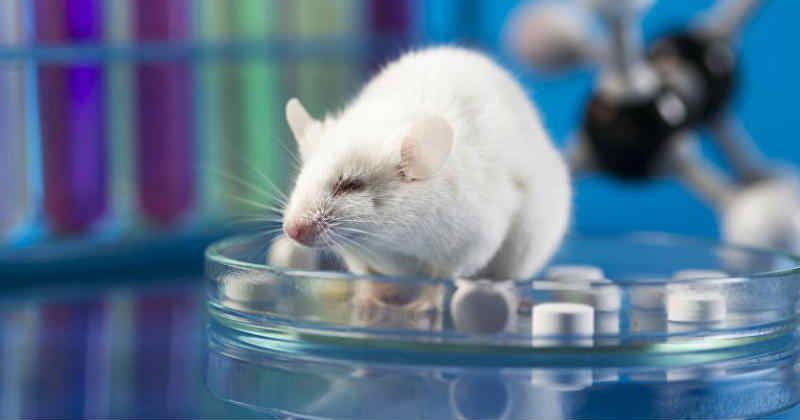
And since PET is present only in small quantities in the plant, scientists had to synthesize it. They then tested its effects on mice and cells to compare them to the effects of THC. Although PET is less potent than THC, both molecules act on the same brain receptors (CB1) and cause the same physical symptoms: slowed movements and a drop in body temperature.
However, researchers also noted differences between the two molecules: PET lowers prostaglandin levels (molecules associated with inflammation), whereas THC does not. That said, cannabis has anti-inflammatory properties due to other cannabinoids such as CBD.
Michael Schafroth, a doctoral student at the Scripps Research Institute and co-author of the study, explains that prostaglandins are involved in numerous processes such as memory loss, neuroinflammation, hair loss, and vasoconstriction. This makes PET a «very interesting molecule for therapeutic applications because we can expect fewer side effects while still achieving significant pharmacological effects,» he says.
Could bryophytes (or mosses) replace medical cannabis?
According to Gertsch, the director of the study: «Bryophytes have so far been somewhat neglected in terms of bioprospecting.».
«I think [the study] proves that bryophytes can be used to create natural products that are useful to humans,» he adds. Bryophytes are the plants that have retained the most characteristics in common with the earliest plants. It is highly likely that research will uncover new therapeutic potential in these plants. In any case, this species appears to hold promise as a treatment for inflammation and, consequently, for inflammatory diseases such as multiple sclerosis.
Since PET has the same effect as THC, it could also, just like the Dronabinol which contains synthetic THC, can be used to develop medications that help combat nausea, vomiting, loss of appetite, and weight loss associated with diseases such as cancer and AIDS. However, the rarity of bryophytes of the specified species, their low PET content, and the fact that these plants do not reproduce from seeds make them a less than convincing alternative to medical cannabis. Gertsch explains that: «The cultivation and reproduction of the species radula »A product containing cannabinoids would be a challenge.".
Dr. Karen Wright, a professor of biomedical sciences at Lancaster University, states: «We are far from seeing these sponges replace medical cannabis. Instead, they should enter a preclinical phase of study using disease models.» She also warns that any compound that binds to CB1 receptors, such as THC and PET, carries «risks related to its impact on mental health and brain development.».










China's Yongji Health Takes Control of Tasmanian Botanics

Autism and Cannabis: Results from the First Placebo-Controlled Trial of NTI164

Which countries legalized medical cannabis before France?

From the boom in dispensaries to a purely medical approach: Thailand is revising its cannabis policy

South Korea is preparing to begin local production of medical cannabis to meet rising demand

In the United States, cannabis use among high school students has reached an all-time low

Medical cannabis use surges by 64 % in Denmark

Canopy Growth Enters the U.K. Market with Four Canadian Strains

CBD: Full-Spectrum Extracts Under Threat in Greece

Medical Cannabis and Back Pain: Opioid Use Has Dropped by 90 % in 10 Years
-
 Cannabis and driving2 weeks ago
Cannabis and CBD: French Drivers Can Now Lose Their License Even Without a Positive Test Result
-
Cannabis in France3 weeks ago
Cannabis Legalization: The LFI Bill Has a Major Problem—THC
-

 Cannabis in France23 hours ago
Which countries legalized medical cannabis before France?
-
Cannabis in the Netherlands2 weeks ago
One year after the launch of the Dutch cannabis experiment, the first trends are emerging
-
Cannabis in France2 weeks ago
French medical cannabis remains stalled at the Ministry of Health
-
Cannabis in Argentina1 week ago
Argentina Opens Its Market to Hemp Flowers Containing 1% of THC
-
Business2 weeks ago
The United Kingdom Is Moving Closer to a Regulated CBD Market
-
Cannabis in France1 week ago
Rima Hassan: When «Drugs» Become a Political Weapon















You must be logged in to post a comment Login