A year and a half after legalization in Germany, 343 Cannabis Clubs but only 8 in Bavaria

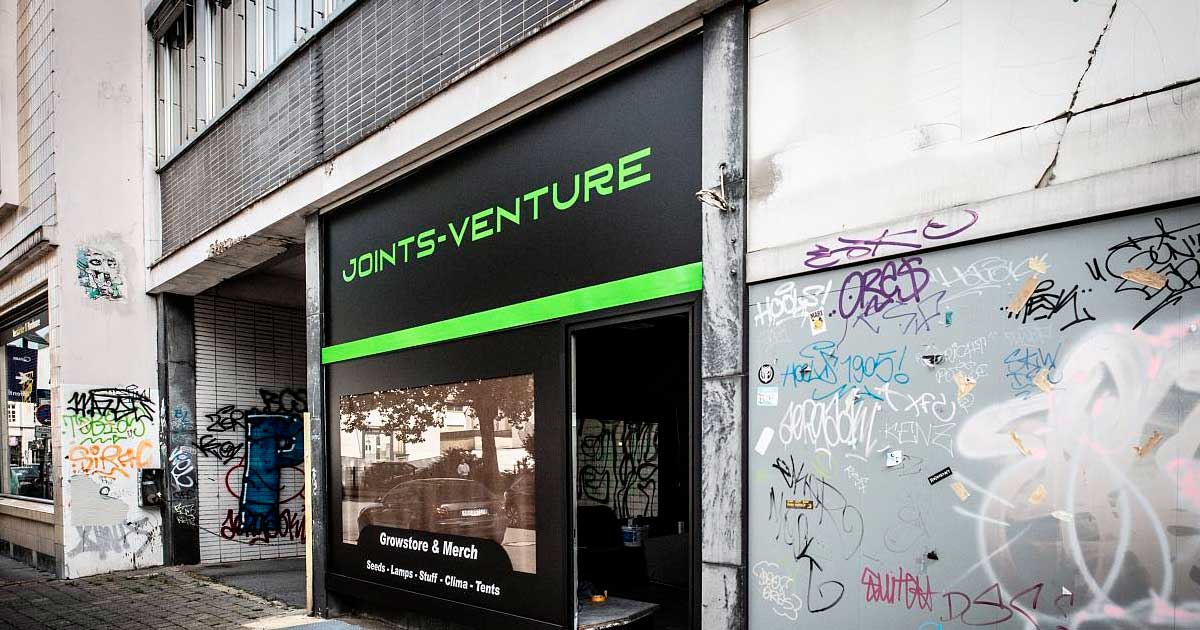
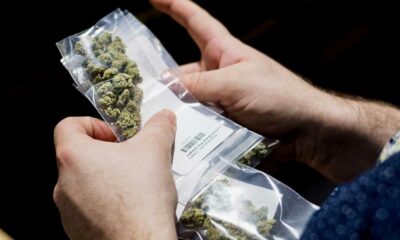
A year and a half after the partial legalization of cannabis in Germany, the country's experience with cannabis social clubs (CSC) leads to marked contrasts between regions.
According to a survey conducted by Der Spiegel with state ministries, 343 clubs are now officially authorized to cultivate and distribute cannabis to their members. But the data also highlights a significant imbalance in the way the law is implemented in different federal states.
North Rhine-Westphalia in the lead, Bavaria lagging behind
The most striking difference is between the North Rhine-Westphalia and the Bavaria. While RNW has 96 approved clubs, Bavaria has approved only eight to date, none of which really work today.
Lower Saxony takes second place, with 68 approved clubs, and also stands out as the region with the easiest access to legal cannabis: it has 8.5 clubs per million inhabitants, the highest ratio in the country. The Lower Saxony Chamber of Agriculture reports that over 50 additional applications are still being processed, suggesting that this number could soon rise.
Other states show more moderate figures: Hamburg has 13 clubs, the Schleswig-Holstein has 10 and the Baden-Württemberg has 26. To the east, the Saxony leads the way with 21 clubs.
These differences underline the extent to which local implementation of federal law varies considerably, despite a unified legal framework. While some regions actively facilitate some seem to apply a stricter interpretation of the law, or face fewer initiatives from potential founders.
Political divisions over legalization
The uneven deployment ultimately reflects political tensions around the reform. During the federal election campaign, the Chancellor Friedrich Merz, from CDU, had promised to repeal the cannabis law, declaring, «I want to protect my children and grandchildren from the legal use of these drugs.»
The alliance CDU/CSU had even pledged in its manifesto to completely reverse legalization.
However, after the elections, the black-red coalition, which brings together conservatives and social democrats, agreed to evaluate the law by 2028 rather than repeal it. Observers now consider it unlikely that the measure will be repealed, given its political and administrative roots.
But the debate is far from over. Hendrik Streeck (CDU), federal commissioner for addiction and drug issues, told the magazine Der Spiegel that the law «needs to be tightened up on certain points». He expressed concern about the THC content of cannabis which, he says, is higher than that of cannabis sold on the open market. black market.
«A high content of active ingredient also means a higher risk of psychosis, anxiety disorders and addiction,» said Streeck.
At present cannabis social clubs still have room to fill in the German legalization model. But since it is designed to prevent commercial exploitation, the model could prove limited, particularly in the face of reluctance on the part of certain Länder.
The next few years will determine whether this decentralized, community-based system can sustainably replace the black market and deliver on its promise of’safer access and economic transparency.





















«Vincy Gold»: Humboldt Seed Company on the Hunt for Saint Vincent Sativas

Cronos Completes the Acquisition of CanAdelaar for 57.5 million euros

Cannabis with a "bloody" twist: Discover Sensi True Blood and Sensi Sangria, the two new strains from Sensi Seeds

Hemp: The Council of the EU Takes a Stand on New Production and Marketing Rules

Missouri's legal cannabis market accounts for 93 % of consumer spending

THC Gummies: How to Read a Certificate of Analysis Before Buying

British patients now have access to THCV-rich cannabis flowers

Spain: Medical Cannabis Is Coming to About 50 Hospitals

JIHE 2026: Japan’s Largest Trade Show Dedicated to Hemp and CBD Returns to Tokyo with More Than 100 Industry Players

New Caledonia: The Courts Clear the Way for the Return of CBD
-
 Business3 weeks ago
The legal cannabis market in New York exceeds 4 billion $ in revenue
-

 Cannabis in France4 weeks ago
Which countries legalized medical cannabis before France?
-
Cannabis in France1 week ago
France already has 3,000 cannabis retail outlets. None of them are legal.
-
Business4 weeks ago
South Korea is preparing to begin local production of medical cannabis to meet rising demand
-
Cannabis in the U.S.1 week ago
A DEA report confirms that there are no fatal cannabis overdoses
-
Cannabis in Thailand4 weeks ago
From the boom in dispensaries to a purely medical approach: Thailand is revising its cannabis policy
-
Cannabis and driving4 weeks ago
Medical Cannabis and Driving: New South Wales Ends Automatic Penalties for THC
-
Cannabis in France3 weeks ago
France’s Drug Policy Chief Defends Cannabis Prohibition... and Runs Into the Facts















You must be logged in to post a comment Login