What do the first official figures on the legalization of cannabis in Germany reveal?

The German cannabis market, which is booming and is now estimated at nearly 670 million euros according to Prohibition Partners, is entering a period of political and regulatory uncertainty.
While the CanG Act is about to celebrate its second anniversary, it remains a source of contention, fueling tensions political, cultural, and medical.
The recent Collapse of the «Traffic Light» Coalition», which led to the partial legalization of cannabis, paved the way for a new political era dominated by the Christian Democrats (CDU). The latter immediately took a harder line, repeatedly threatening to restrict or even cancel the reforms implemented over the past 18 months.
The publication of the First Interim Evaluation Report Last week's debate on the effects of the reform could well reshape the sector's future.
Ekocan: The First Official Evaluation of CanG
Named Ekocan (Evaluation of the Recreational Cannabis Act), this project is the first of three evaluations commissioned by the federal government regarding the Consumer Cannabis Act (KCanG), effective April 1, 2024.
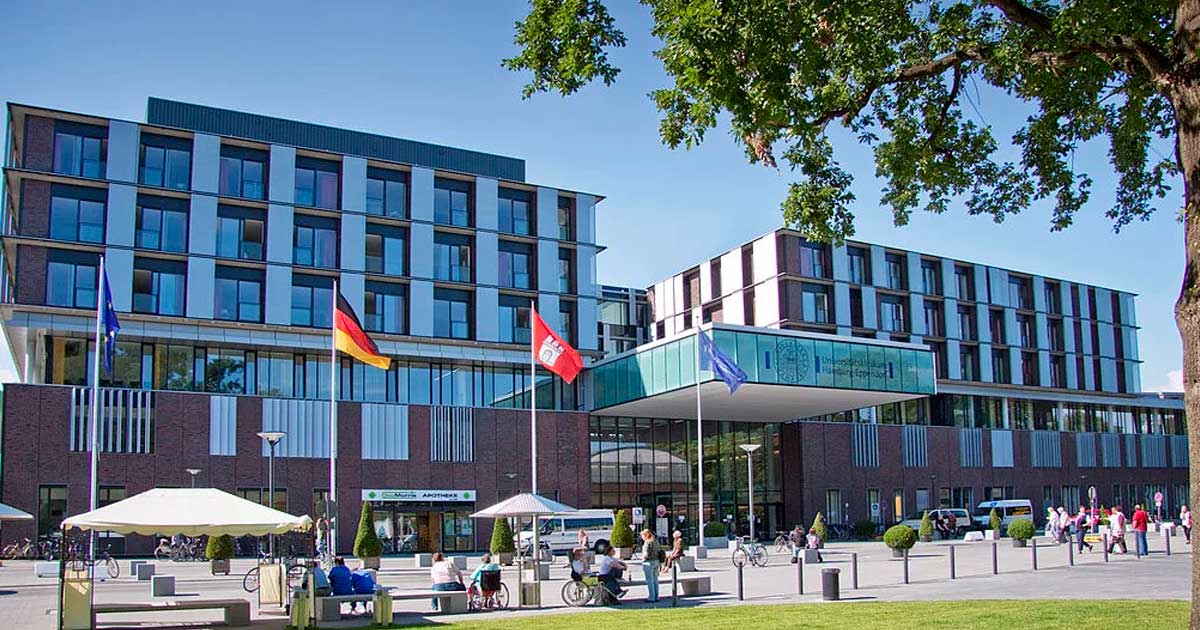
Headed by Hamburg-Eppendorf University Medical Center In collaboration with several research institutes, this evaluation commissioned by the Federal Ministry of Health will run from January 2025 through April 2028. Two additional reports are expected in April 2026 and April 2028.
The study focuses on the noncommercial private and community cultivation of cannabis for personal use, a cornerstone of CanG, while also addressing certain overlaps with the medical market.
Its main areas of focus are: patterns of use, youth protection, health impacts, crime, and market trends (price, potency, and size).
A Tense Political Climate
Since the summer, the government has proposed several restrictions on medical cannabis, including the Discontinuation of online consultations and the’ban on mail-order sales.
The Minister of Health Nina Warken defended these measures in the name of security, but his statements are widely perceived as a political gesture rather than a specific legislative proposal.
Any change must, in fact, be approved by the SPD, a coalition partner and the architect of the initial reform.
For its part, the new federal drug commissioner, the professor Hendrik Streeck, takes a more cautious approach. He promises science-based decisions, noting that the CDU-SPD agreement requires waiting for Ekocan’s findings before taking any further action.
One point that Niklas Kouparanis, CEO of the Bloomwell Group, was quick to point out:
«It is disconcerting that lawmakers are considering restricting the medical cannabis law without even conducting their own scientific assessment. Referring patients to a more burdensome system based on “perceived” abuse is arbitrary and ideological.»
What the Ekocan Report Reveals
The preliminary report is based on a combination of data from national surveys (DEBRA, KonCanG) and’institutional indicators (public health, social services, police). Complementary projects such as AMoCan, POLCAN and OBCAN enrich the analysis.
Market Development
- In 2024, the total demand for cannabis (medical + recreational) is estimated to be between 670 and 823 metric tons
- Medical cannabis accounts for 9 to 13 % Regarding this request, the cultural associations less than 0,1%
- The rest comes from the private farming and black market, still by far the dominant force
- L’self-cultivation remains the most economical, while the medical marijuana is generally cheaper than that of nonprofit organizations or the black market
- The THC levels are higher in legal products, particularly medical ones
- The statutory share of the market is on the rise, but slow—just like the Canada, where it reached 78% after four years
«Initial data point to growth in the legal market and a decline in the black market, but the extent of this shift remains uncertain.»
Protecting young people
- Prevention programs remain stable
- The reports to child protective services have decreased since legalization
- 40 to 43% of young people consider cannabis “easy to obtain,” a rate that remains unchanged
- The Alcohol consumption among young people has been declining since 2019 and continues to decline
- 10% Some young consumers engage in risky use; the rate remains stable
- Theage of first use (ages 15–16) doesn't move
- The accidental poisonings remain extremely rare
«There has been no significant increase in problematic use among young people since legalization.»
Public Health (Adults)
- Adult consumption is stable, despite a slight increase in “lifetime” consumption”
- The cannabis-related emergencies and hospitalizations do not show no significant increase
- The traffic accidents have not improved
- The report concludes that no significant health impact short-term legalization
Crime
- The cannabis-related offenses have clearly reduced, particularly cases of possession
- The administrative procedures remain to be assessed, as does the impact on the organized crime
Legal Limits and Enforcement
- Most consumers stay within the limits of authorized possession
- Few penalties are imposed when thresholds are exceeded, particularly in the case of home-grown crops
«The 50-gram limit for personal use at home is frequently exceeded without any significant enforcement, a sign that the law is still not being applied consistently.»
Preliminary Report
In summary:
- The legal channels are improving, but remain minority
- The youth consumption continues to lower
- No significant health impact is not observed
- The cannabis-related crime back up
- The black market persists, but the transition to legality has begun
«Twelve months after partial legalization, the legal market is gaining ground. It remains to be seen whether this momentum will be enough to marginalize the black market in the coming years.»






















JIHE 2026: Japan’s Largest Trade Show Dedicated to Hemp and CBD Returns to Tokyo with More Than 100 Industry Players
New Caledonia: The Courts Clear the Way for the Return of CBD

The Brazilian medical cannabis market continues to grow

Morocco: Three Cannabis-Based Medications Approved for the Treatment of Epilepsy

Canopy Growth Receives New EU-GMP Certification to Strengthen Its Presence in Europe

Three years after legalizing medical cannabis, Albania continues to establish regulations for it

The first plant-based medical THC spray arrives in the United Kingdom

Medical Cannabis in Germany: THC Prices Vary by a Factor of 12

France already has 3,000 cannabis retail outlets. None of them are legal.

Morocco's exports of legal cannabis have expanded to 15 countries
-
 Business2 weeks ago
The legal cannabis market in New York exceeds 4 billion $ in revenue
-

 Cannabis in France4 weeks ago
Which countries legalized medical cannabis before France?
-
Business4 weeks ago
South Korea is preparing to begin local production of medical cannabis to meet rising demand
-
Cannabis in France4 days ago
France already has 3,000 cannabis retail outlets. None of them are legal.
-
Cannabis in Thailand4 weeks ago
From the boom in dispensaries to a purely medical approach: Thailand is revising its cannabis policy
-
Cannabis in the U.S.5 days ago
A DEA report confirms that there are no fatal cannabis overdoses
-
Cannabis and driving3 weeks ago
Medical Cannabis and Driving: New South Wales Ends Automatic Penalties for THC
-
Cannabis in France3 weeks ago
France’s Drug Policy Chief Defends Cannabis Prohibition... and Runs Into the Facts















You must be logged in to post a comment Login