
Interest in microdosing has grown with the evolution of laws on psychedelics and cannabis

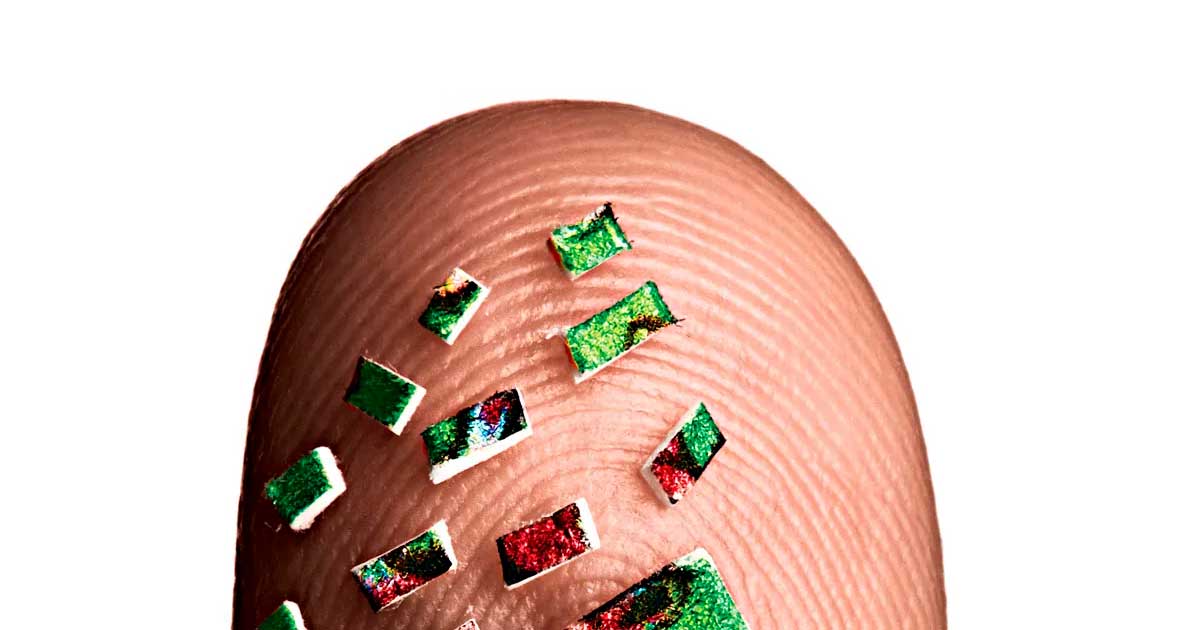
Public interest in the microdosing of psychedelics and cannabis has increased significantly in tandem with legislative reforms. A recent study published by the’American Medical Association (AMA) in the JAMA Health Forum reveals a dramatic increase in Google searches related to microdosing between 2015 and 2023.
The study, conducted by researchers at the University of California, San Diego, highlights the influence of local and national political changes on public interest in this testing method.
Key study findings
The study analyzed Google search queries from 2010 to 2023, focusing on the relationship between search trends and legislative reforms. The researchers used an event-based difference-in-differences model to assess the causal effects of policy changes. They found that the research on microdosing remained stable until 2014, then skyrocketed, with a cumulative increase of a factor of 13.4 between 2015 and 2023. In 2023 alone, there will be 3 million searches for “microdosing” in the United States.
The study found that:
- Local laws decriminalizing psychedelics were associated with a 22.4 per million increase in microdosing rates
- State-level psychedelic reform laws have been linked to an increase of 28.9 per 10 million
- State-level laws legalizing adult cannabis use have increased the rate of microdosing searches by 40.9 per 10 million
- The legalization of medical cannabis has led to an increase of 11.5 per 10 million
The study’s authors emphasize the responsibility of the medical community to ensure that patients have access to safe, effective, and evidence-based treatments.
According to the researchers, «while public interest in the use of psychedelics and cannabis for medical purposes »As their use increases, it is crucial that the medical community conduct studies to establish a solid evidence base regarding their safety and efficacy.".
In the absence of rigorous scientific research, individuals may turn to unproven alternative therapies, thereby exposing themselves to potential risks. Eric Leas, an assistant professor of public health and the study’s lead author, highlighted the legal risks and concerns regarding product impurity due to the lack of manufacturing standards for substances such as psilocybin, which remain listed in Annex I of the federal law.
The study concludes that there is an urgent need for rigorous clinical studies to assess the safety profile and potential benefits of microdosing. This research is essential to inform evidence-based practices and the development of policies that serve the public interest. The researchers call for increased population-based monitoring to understand who practices microdosing, why they do so, and how these practices might evolve as the legal landscape changes.
The broader context of psychedelic and cannabis reform
A majority of states have adopted some form of cannabis legalization, and a a growing number of states and localities in the United States are working to reform psychedelic policies. The director of the National Institute on Drug Abuse (NIDA) noted that «the train has left the station» when it comes to psychedelics, reflecting the momentum of the reform movement.
While the federal ban remains in place, another U.S. federal agency recently recognized the potential benefits of psychedelics, particularly for the treatment of alcohol-related disorders, anxiety, and depression. Federally funded research is exploring the effects of psilocybin on pain, migraines, psychiatric disorders, and other conditions.
Recent research on psilocybin, a popular substance for microdosing, has yielded interesting results. A study has shown that a single psilocybin experience is unlikely to alter individuals’ religious or metaphysical beliefs, although it may affect their perception of consciousness in animals, plants, or other objects.
A other study suggests that full-spectrum psychedelic mushroom extract has a more potent effect than chemically synthesized psilocybin. This implies that the experience of entheogenic mushrooms may involve an «entourage effect,» similar to Effects observed with cannabis and its various components.


















294 cannabis clubs in Chile: a booming movement with uneven distribution

Chronic Sciatica: New York Approves First Clinical Trial of a THC-Based Medication

United States: The DEA is accelerating the integration of medical cannabis at the federal level

Florida is nearing one million patients using medical cannabis

Uruguay Revives Its Plan to Allow Tourists to Legally Access Cannabis

In Brazil, researchers are developing an innovative CBD eye drop

Autism: Medical Cannabis Is Linked to Reduced Anxiety

The $28 billion U.S. hemp market remains under threat

Jamaica Eases Small Farmers' Access to the Cannabis Market

Faced with resistance from Aurora, Curaleaf raises its offer by 25%
-
 Business5 days ago
The legal cannabis market in New York exceeds 4 billion $ in revenue
-
Cannabis and driving4 weeks ago
Cannabis and CBD: French Drivers Can Now Lose Their License Even Without a Positive Test Result
-

 Cannabis in France2 weeks ago
Which countries legalized medical cannabis before France?
-
Business2 weeks ago
South Korea is preparing to begin local production of medical cannabis to meet rising demand
-
Cannabis in the Netherlands4 weeks ago
One year after the launch of the Dutch cannabis experiment, the first trends are emerging
-
Cannabis in Thailand2 weeks ago
From the boom in dispensaries to a purely medical approach: Thailand is revising its cannabis policy
-
Cannabis in France4 weeks ago
French medical cannabis remains stalled at the Ministry of Health
-
Cannabis in Argentina3 weeks ago
Argentina Opens Its Market to Hemp Flowers Containing 1% of THC

















You must be logged in to post a comment Login