Consuming cannabis in the evening does not impair cognitive ability or driving performance the following day, according to a study

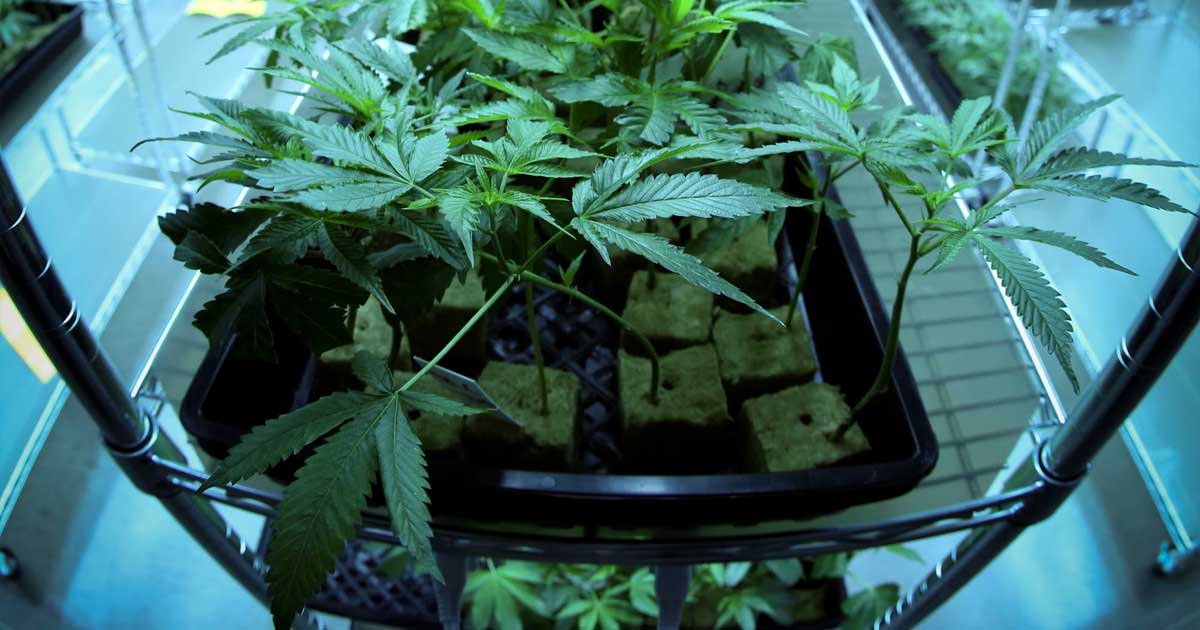
Recent research has explored the effects of cannabis use before bedtime, specifically its impact on cognitive abilities, driving performance, and overall functioning the following day.
A study conducted by researchers from several prestigious institutions, including Macquarie University and Johns Hopkins University, provides us with valuable insights on this topic. The study, published in the journal Psychopharmacology, suggests that consuming cannabis before bed does not significantly alter cognitive functions or the next-day driving abilities in adults with insomnia and infrequent cannabis use.
Key study findings
The study included 20 adults with physician-diagnosed insomnia who were infrequent cannabis users. Participants received either a placebo or 2 milliliters of cannabis oil containing 10 milligrams of THC and 200 milligrams of CBD. The study aimed to understand the effects of cannabis on various performance measures the following day.
Cognitive and psychomotor functionsThe study evaluated cognitive and psychomotor functions using a series of tests. These included tasks of attention, working memory, and information processing speed. The results did not indicate significant differences between the placebo group and the THC-CBD group in 27 of the 28 tests. A minor reduction in accuracy (approximately 1.4 percentage points) was observed in the Stroop color-word test, but it was deemed clinically insignificant. The results highlight that «almost all cognitive tests performed, involving attention, working memory, information processing speed, and other domains, showed no THC/CBD effects the following day.».
Simulated driving performanceDriving performance was assessed using a fixed-base driving simulator 10 hours after cannabis administration. The study found no significant differences in driving performance between the THC-CBD group and the placebo group. This is in line with previous research suggesting that «driving skills in occasional cannabis users recover within 8 hours after oral administration of 20 mg of THC.».
Subjective effects and moodParticipants were also asked to report their subjective experiences, such as feeling «high,» «sedated,» «alert,» «anxious,» or «drowsy.» These effects were measured at multiple time points: at baseline, 30 minutes, 10 hours, 12 hours, 14 hours, 16 hours, and 18 hours after administration. The study found no notable alterations in mood or subjective effects the following day.
One of the important points raised by researchers is the comparison between the effects of cannabis and those of commonly prescribed sedative-hypnotics. Medications such as benzodiazepines and zopiclone are known to impair function the following day. The authors of the study It was noted that cannabis, in this context, did not present such effects, making it a potentially safer alternative for those seeking sleep aids.
Considerations and limitations
Although the results are promising, the researchers acknowledged certain limitations. The study's sample size was relatively small, and the findings were based on a single dose cannabis oil. This limits the possibility of generalizing the results to a broader population and understanding the effects of repeated dosing, which better reflects how some people use the medical cannabis for sleep.
Researchers have hypothesized that repeated doses may lead to the development of partial tolerance to disruptive effects of THC, which could potentially reduce the risk of hangovers. This aspect, however, requires further study.
Broader implications and related studies
The results of this study are consistent with other recent research on cannabis and cognitive function. A report published last December showed that prescribed medical cannabis had only a minimal acute impact on the cognitive functions of patients with chronic diseases.
A other study, published in March in the journal Current Alzheimer's Research, Suggests that cannabis use is associated with a lower risk of subjective cognitive decline, with users reporting less confusion and memory loss than non-users.
Furthermore, a study conducted in 2022 on the Cannabis and laziness revealed no significant differences between weekly cannabis consumers and non-consumers regarding apathy or reward-based behaviors. These findings suggest that cannabis use, particularly for medical purposes, may not have the often-assumed negative cognitive and psychomotor effects.




















«Vincy Gold»: Humboldt Seed Company on the Hunt for Saint Vincent Sativas

Cronos Completes the Acquisition of CanAdelaar for 57.5 million euros

Cannabis with a "bloody" twist: Discover Sensi True Blood and Sensi Sangria, the two new strains from Sensi Seeds

Hemp: The Council of the EU Takes a Stand on New Production and Marketing Rules

Missouri's legal cannabis market accounts for 93 % of consumer spending

THC Gummies: How to Read a Certificate of Analysis Before Buying

British patients now have access to THCV-rich cannabis flowers

Spain: Medical Cannabis Is Coming to About 50 Hospitals

JIHE 2026: Japan’s Largest Trade Show Dedicated to Hemp and CBD Returns to Tokyo with More Than 100 Industry Players

New Caledonia: The Courts Clear the Way for the Return of CBD
-
 Business3 weeks ago
The legal cannabis market in New York exceeds 4 billion $ in revenue
-

 Cannabis in France4 weeks ago
Which countries legalized medical cannabis before France?
-
Cannabis in France1 week ago
France already has 3,000 cannabis retail outlets. None of them are legal.
-
Business4 weeks ago
South Korea is preparing to begin local production of medical cannabis to meet rising demand
-
Cannabis in the U.S.1 week ago
A DEA report confirms that there are no fatal cannabis overdoses
-
Cannabis in Thailand4 weeks ago
From the boom in dispensaries to a purely medical approach: Thailand is revising its cannabis policy
-
Cannabis and driving4 weeks ago
Medical Cannabis and Driving: New South Wales Ends Automatic Penalties for THC
-
Cannabis in France3 weeks ago
France’s Drug Policy Chief Defends Cannabis Prohibition... and Runs Into the Facts
















Gros
June 5, 2024 at 11 h 51 min
Thank you for this study, but one point remains to be clarified: how long should one wait to avoid testing positive for cannabis by the police? Since science proves that cannabis is not a problem for drivers.
Aurélien BERNARD
July 31, 2024 at 2:35 PM
In France, for a long time 🙂 You can consult our article dedicated to this subject https://www.newsweed.fr/cannabis/temps-thc-reste-dans-corps/