The legalization of cannabis in Canada has improved access to medical cannabis

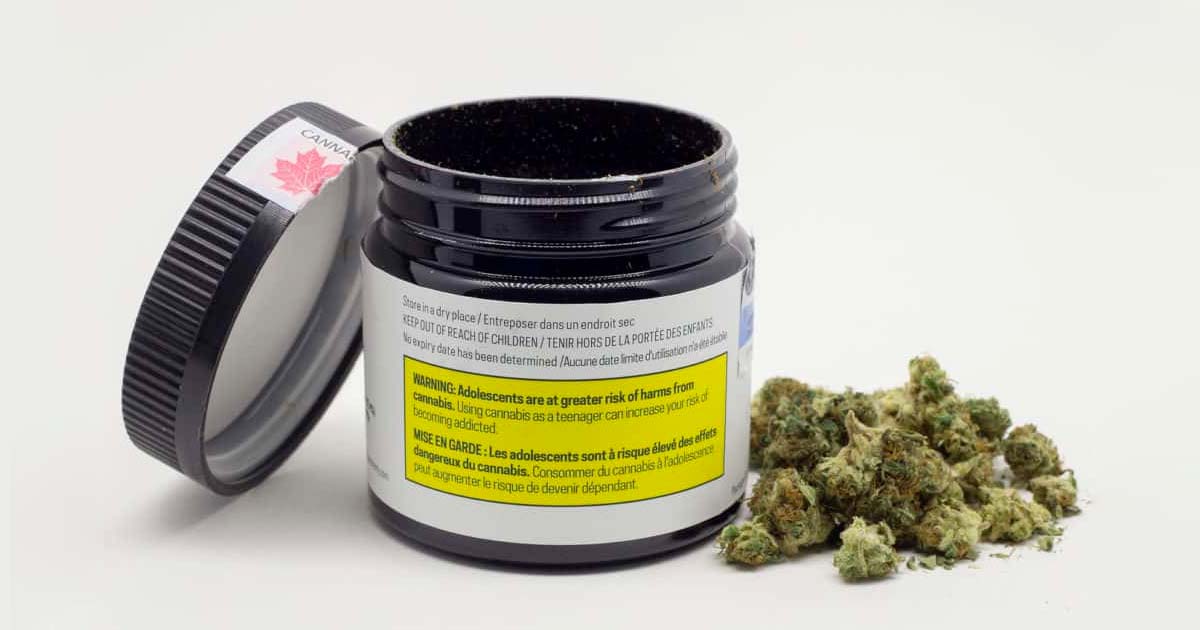
A recent report prepared for Health Canada shows that the legalization of cannabis in Canada in 2018 has improved access, information sharing and reduced the stigma associated with medical cannabis.
The report is based on two surveys, one of 1,205 Canadians aged 16 and over who have used cannabis for medical purposes since its legalization on October 17, 2018. The second survey was conducted among a sample of 823 physicians and nurse practitioners who have had experiences with people accessing or inquiring about medical cannabis.
Recreational legalization has facilitated access to medical use
Of those surveyed who had used cannabis for medical purposes («patients»), just over half (53 %) said they had done so before legalization. Nearly half (46 %) only started using cannabis for medical purposes after cannabis was fully legalized.
Of those who didn't start using cannabis for medical purposes until after legalization in 2018, more than half (58 %) said they felt more comfortable doing so because legalization made cannabis easier to access. Half (49%) also said they made the decision to use cannabis for medical purposes because they felt more information about medical cannabis was available after legalization and stigma was less of a factor.
Most (71 %) of those who said they had used cannabis for medical purposes said they had also used cannabis for non-medical purposes in the last three years since legalization.
Most of these patients (66 %) also reported having discussed their medical cannabis use with a physician and/or nurse practitioner. Among those who did not discuss these issues with a healthcare professional (HCP), fear of stigma was the most common reason.
The most common reasons for refusing to prescribe medical cannabis were that the healthcare professional refused to authorize cannabis use for patients (38 %), that there was insufficient evidence to support cannabis as a treatment option (31 %), or that the healthcare professional was not familiar enough with the use of cannabis for medical purposes (29 %).
Recommended types of cannabis products
Cannabis oils, extracts and capsules are the products most often recommended by a healthcare professional (68 %), followed by edibles (26 %) and dried flower (23 %).
Nearly a third of those surveyed said they had been recommended both high-CBD and low-THC products, while 24 % said they had been recommended equal amounts of THC and CBD. Finally, 19 % said they were recommended only CBD, and 17 % were recommended both high-THC and low-CBD products.
Despite this, 44 % of patients reported smoking their cannabis, while 34 % said they preferred edibles, and almost a third (31 %) preferred to ingest cannabis extracts or oils. Most patients said they preferred cannabis products containing both THC and CBD, but responses were varied.
27% said they preferred higher levels of THC with lower levels of CBD, while 30 % said they preferred higher levels of CBD with lower levels of THC. 28% said they preferred equal levels of THC and CBD. Only 13 % said they preferred a product containing only THC.
Consumption frequency
Over a third (39 %) of those using cannabis for medical purposes said they did so almost every day, while 21 % said they did so several times a week. Only 14 % said they used cannabis for medical purposes once a week, and only 10 % said they used it several times a month.
60% of patients said they thought legalization had a positive impact on access to cannabis for medical purposes. Of these, around half said they thought full legalization had increased the quality and quantity of products, and almost half said they felt less stigma for their cannabis use.
Survey of healthcare professionals
A second survey looked at the opinions of healthcare professionals. 49 % of them declared that the use of cannabis had therapeutic value. 45% said there was therapeutic value at least some of the time.
Of the healthcare professionals who said cannabis use had therapeutic value at least some of the time, three-quarters cited clinical examples that suggest cannabis can have therapeutic value. More than half (59 %) said cannabis was a valuable tool in cases where other treatment options were not tolerable or effective.
Most (89 %) healthcare professionals who believe that cannabis has therapeutic value at least some of the time think that CBD is the most therapeutic part of the plant, while 44 % say that THC, 13 % that other cannabinoids and 9 % that terpenes have therapeutic value.
Most healthcare professionals (90 %) said CBD had therapeutic value, while 85 % said THC presented risks.
Of those recommending a maximum daily dose of THC, the majority recommended no more than 10 mg. The maximum amounts of CBD recommended were more varied. Around a third (29 %) of health professionals said they generally recommended up to 2.5 mg a day.
The largest proportion (29 %) said they generally recommended up to 2.5 mg THC per day. Another 22 % recommended between 2.6 and 5 mg THC, while 15 % usually recommended between 10.1 and 15 mg. Only 1 % healthcare professionals usually recommend more than 25 mg.
Among healthcare professionals who don't recommend cannabis for medical use, most (58 %) pointed to a perceived lack of evidence on cannabis' efficacy or a lack of information on appropriate dosage (55 %) to explain why.
Almost half (48 %) said they felt they were not sufficiently informed about the use of medical cannabis, or were concerned about negative side effects (47 %). 64% of healthcare professionals said they had received more requests for information on the medical use of cannabis since legalization.




















France already has 3,000 cannabis retail outlets. None of them are legal.

Morocco's exports of legal cannabis have expanded to 15 countries

Aurora Cannabis Doubles Its Production Capacity in Germany

Tilray is accelerating its operations in Europe thanks to a license in Portugal

Boston will host the 10th annual State of the Cannabis Industry Conference on October 26

A DEA report confirms that there are no fatal cannabis overdoses

A British patient is challenging the NHS's refusal to reimburse medical cannabis

October 2026 CBD Highlights: 10 Strains and Hash to Discover from 5 French Producers

CBD in France: Traceability, Retail Stores, THC and Driving… What the New Bill Proposes

Organigram Enters the Race for Aurora Cannabis
-
 Business2 weeks ago
The legal cannabis market in New York exceeds 4 billion $ in revenue
-

 Cannabis in France3 weeks ago
Which countries legalized medical cannabis before France?
-
Business3 weeks ago
South Korea is preparing to begin local production of medical cannabis to meet rising demand
-
Cannabis in Thailand3 weeks ago
From the boom in dispensaries to a purely medical approach: Thailand is revising its cannabis policy
-
Cannabis and driving3 weeks ago
Medical Cannabis and Driving: New South Wales Ends Automatic Penalties for THC
-
Cannabis in Argentina4 weeks ago
Argentina Opens Its Market to Hemp Flowers Containing 1% of THC
-
Autism3 weeks ago
Autism and Cannabis: Results from the First Placebo-Controlled Trial of NTI164
-
Cannabis in France2 weeks ago
France’s Drug Policy Chief Defends Cannabis Prohibition... and Runs Into the Facts

















You must be logged in to post a comment Login