United States: Ten states ban delta-8-THC

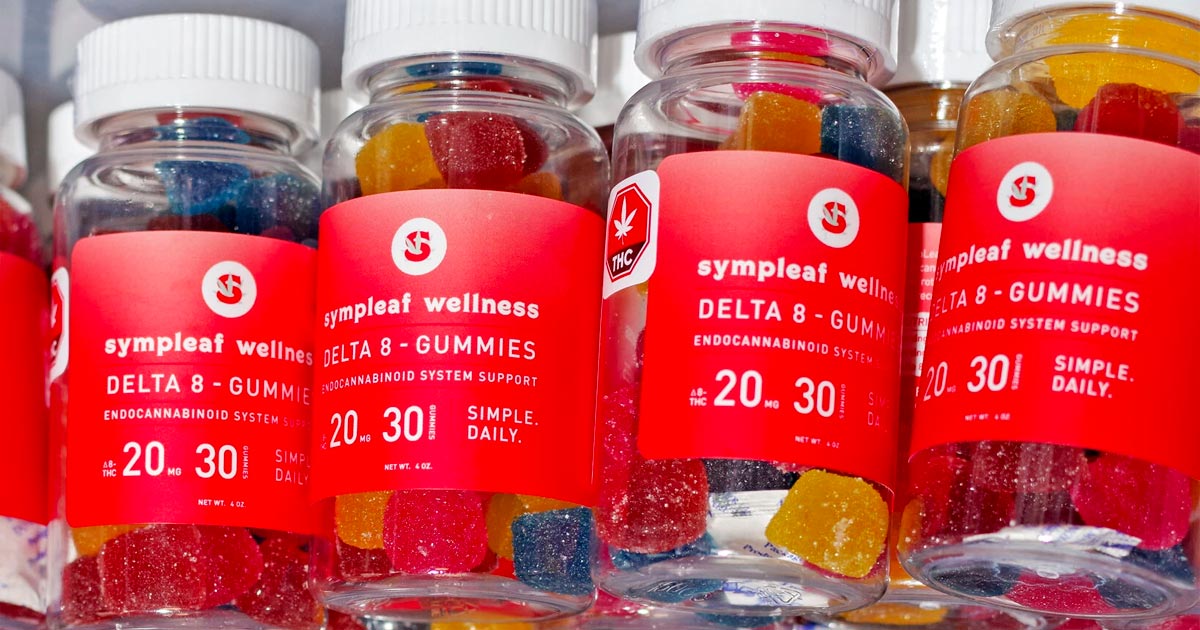
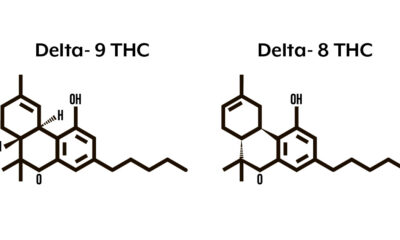
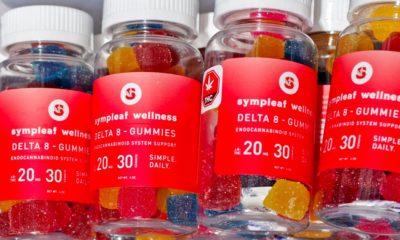
Delta-8-THC had been all the rage for the past few months across the United States. It will no longer be legal to sell it in eleven states—and perhaps more soon. Alaska, Arkansas, Arizona, Colorado, Delaware, Idaho, Iowa, Mississippi, Montana, Rhode Island, and Utah have banned delta-8-THC. This a cannabinoid present in small amounts in the plant, halfway between THC and CBD, benefited from a lack of regulation to grow.
After the Farm Bill in 2018, hemp becomes 100 %, which is legal in the United States, just like its extracts, such as CBD. But some choose to go a step further and isolate delta-8-THC from cannabidiol. Since U.S. law permits hemp extracts, some companies consider delta-8-THC to be one of them. And even though the DEA, the Drug Enforcement Administration, disputes this reasoning, the damage is done.
Three years later, recess is finally over. «This is a public health crisis", ", says Bob Morgan, a Democratic state representative from Illinois, with concern. »Thousands of people are buying products labeled as CBD or delta-8 without being sure of their content. They aren't tested, they aren't safe, and some contain heavy metals, chemicals, and pesticides." The contents aren't very appealing, likely due to the manufacturing process: a chemical reaction with acid.
«Lab tests» soon to be mandatory?
In addition to the eleven states that have completely banned this substance, about ten others are currently trying to regulate it. This is the case in Illinois, where Representative Bob Morgan is trying to get his bill passed House Bill 147. It provides that no person «may not create or sell a product containing cannabinoids unless the cannabinoid in question has been labeled, packaged, and laboratory-tested.". »So far, the bill has been passed by the Illois House of Representatives. The Senate began its first reading last month.".
In Oregon, one of the first states to legalize cannabis in 2015, lawmakers want to give themselves more time. The House Bill 3000 provides for limiting the concentration of synthetically produced cannabinoids, such as delta-8. The bill also calls for the creation of a special committee. The committee will be tasked with determining whether new cannabis-based products could find a place in the legal market.
The hemp industry, meanwhile, is divided. Some blame the U.S. authorities, such as Josh Schneider, a hemp farmer from California. «To me, delta-8 is the market's response to the Food and Drug Administration's inaction." [the U.S. regulator]», he told Hemp Industry Daily.
For others, this controversial substance was clearly legal—and also a good source of supplemental income. In Oregon, Rick Trojan fears that the regulation of delta-8 «kills the hemp industry in a single day.» The president of that state’s Hemp Industry Association adds that «It makes no sense to include a legal substance, such as hemp, on the list of prohibited substances.» and that the control system will «add unnecessary standards» for hemp farmers.






















Medical Cannabis in Germany: THC Prices Vary by a Factor of 12

France already has 3,000 cannabis retail outlets. None of them are legal.

Morocco's exports of legal cannabis have expanded to 15 countries

Aurora Cannabis Doubles Its Production Capacity in Germany

Tilray is accelerating its operations in Europe thanks to a license in Portugal

Boston will host the 10th annual State of the Cannabis Industry Conference on October 26

A DEA report confirms that there are no fatal cannabis overdoses

A British patient is challenging the NHS's refusal to reimburse medical cannabis

October 2026 CBD Highlights: 10 Strains and Hash to Discover from 5 French Producers

CBD in France: Traceability, Retail Stores, THC and Driving… What the New Bill Proposes
-
 Business2 weeks ago
The legal cannabis market in New York exceeds 4 billion $ in revenue
-

 Cannabis in France3 weeks ago
Which countries legalized medical cannabis before France?
-
Business3 weeks ago
South Korea is preparing to begin local production of medical cannabis to meet rising demand
-
Cannabis in Thailand3 weeks ago
From the boom in dispensaries to a purely medical approach: Thailand is revising its cannabis policy
-
Cannabis and driving3 weeks ago
Medical Cannabis and Driving: New South Wales Ends Automatic Penalties for THC
-
Cannabis in Argentina4 weeks ago
Argentina Opens Its Market to Hemp Flowers Containing 1% of THC
-
Autism3 weeks ago
Autism and Cannabis: Results from the First Placebo-Controlled Trial of NTI164
-
Cannabis in France2 weeks ago
France’s Drug Policy Chief Defends Cannabis Prohibition... and Runs Into the Facts

















You must be logged in to post a comment Login