
Texas and Louisiana reform their cannabis laws

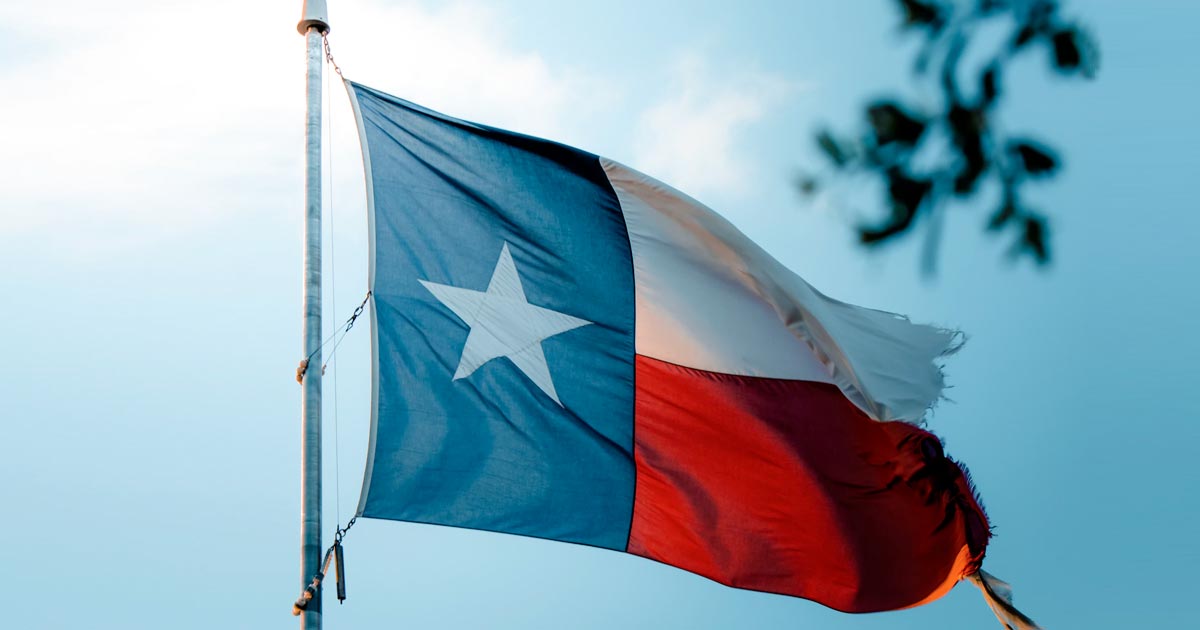
Two of the most conservative U.S. states are moving forward with their cannabis legislation. Last Thursday, the governors of Texas and Louisiana separately announced that they would sign the cannabis reform bills that recently reached their desks.
Texas’s Republican governor, Greg Abbott, left no room for interpretation regarding how he would act on a bill to expand medical cannabis that the legislature sent him.
Veterans may be eligible for medical marijuana »Under a new law,« he tweeted. »I'm going to sign it.".
Veterans may be eligible for medical marijuana under the new law.
I will sign it.https://t.co/KkoC15Ur66
ADVERTISING— Greg Abbott (@GregAbbott_TX) June 11, 2021
Louisiana’s Democratic governor, John Bel Edwards, was less explicit, stating during a press briefing that he was «interested in signing the bill that would reduce the penalty for possession of small amounts of cannabis.».
The governor noted that some journalists «might be surprised to hear» that he is inclined to approve the measure to decriminalize cannabis, referring to his longstanding opposition to full legalization. That said, other recent comments Edwards has made separately have indicated that he may be increasingly open to even more comprehensive proposals to end marijuana prohibition if they are ever sent to his desk.
Regarding the decriminalization measure, he said that he and his team are «currently reviewing it.».
Last week, Louisiana lawmakers also sent Mr. Edwards a separate bill aimed at allowing patients in the state’s medical cannabis program to legally smoke cannabis flower. The governor did not comment on this proposal during the press conference, but he had previously cited it as an example of the kind of gradual reform he intended to advance.
Expanding Access to Medical Cannabis in Texas
In Texas, the cannabis bill that the governor says he intends to sign would add cancer and post-traumatic stress disorder to the list of conditions that qualify patients for medical cannabis.
As passed by the House of Representatives, this measure would also have included chronic pain among the eligibility criteria, but this provision was removed by the Senate. The legislation also doubled the THC limit for cannabis products, raising it from 0.5 % to 1 %. Originally, the version approved by the House of Representatives set the limit at 5%, but it was watered down by the Senate.
Mr. Abbott has not yet commented on another piece of legislation regarding drug policy reform that the legislature also passed, which requires the state to study the therapeutic potential of psychedelic substances such as psilocybin and MDMA. But, for what it’s worth, this measure also aims to support the health of military veterans.















CBD is said to promote athletic recovery, without improving performance

294 cannabis clubs in Chile: a booming movement with uneven distribution

Chronic Sciatica: New York Approves First Clinical Trial of a THC-Based Medication

United States: The DEA is accelerating the integration of medical cannabis at the federal level

Florida is nearing one million patients using medical cannabis

Uruguay Revives Its Plan to Allow Tourists to Legally Access Cannabis

In Brazil, researchers are developing an innovative CBD eye drop

Autism: Medical Cannabis Is Linked to Reduced Anxiety

The $28 billion U.S. hemp market remains under threat

Jamaica Eases Small Farmers' Access to the Cannabis Market
-
 Business5 days ago
The legal cannabis market in New York exceeds 4 billion $ in revenue
-

 Cannabis in France2 weeks ago
Which countries legalized medical cannabis before France?
-
Business2 weeks ago
South Korea is preparing to begin local production of medical cannabis to meet rising demand
-
Cannabis in the Netherlands4 weeks ago
One year after the launch of the Dutch cannabis experiment, the first trends are emerging
-
Cannabis in Thailand2 weeks ago
From the boom in dispensaries to a purely medical approach: Thailand is revising its cannabis policy
-
Cannabis in France4 weeks ago
French medical cannabis remains stalled at the Ministry of Health
-
Cannabis in Argentina3 weeks ago
Argentina Opens Its Market to Hemp Flowers Containing 1% of THC
-
Cannabis and driving2 weeks ago
Medical Cannabis and Driving: New South Wales Ends Automatic Penalties for THC















You must be logged in to post a comment Login