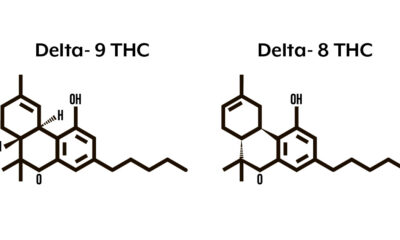
Behind the extraction of Delta-8-THC, a chemical reaction with acid

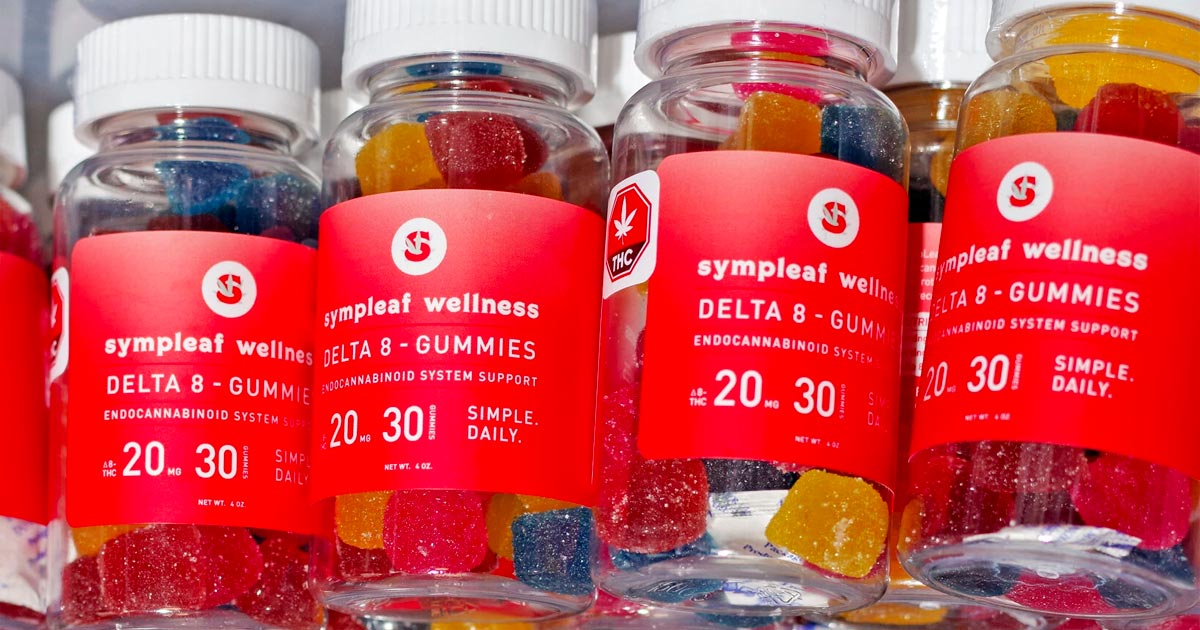
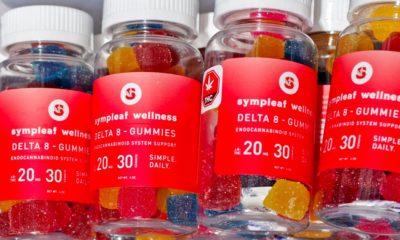
This is the New fashion in the United States. The prestigious New York Times speaks of her as a« A drug that gets you high and is (maybe) legal. In Uncle Sam's country, the Delta-8-THC market is already estimated at $10 million... even though it's only been on the market for a few months. But behind this «legal drug» lies a complex chemical process that we don't necessarily understand.
Delta-8-THC is a cannabinoid present in (very) small amounts in the plant. To extract it, you therefore need to bring out the heavy artillery. First step: take some CBD, then dissolve it in a nonpolar solvent, like hexane, for example. Then add Lewis acid, then heat to 100°C, and mix for 1 to 18 hours. But the operation is not yet finished, since the whole thing must be dried with sodium bicarbonate, then extracted with ether.
Nothing very «natural,» then, but rather a long chemical process. And as incredible as it may seem, this delta-8-THC is legal in the United States. At least, it's not not forbidden by the Farm Bill, which legalized hemp at the federal level in 2018.
Industry leaders in the breach
Without a moment's hesitation, manufacturers are taking advantage of this «gray area,» which is neither forbidden nor authorized. «I realized that no products came from THC biomass, but I saw many rusty reactors arrive that converted tons of CBD into Delta-8. And nobody informed the consumer about where the products came from.», alarms a cannabis industry employee, contacted by Cannabis Life Network.
The news site therefore advises Americans who are fond of Delta-8 to request a Certificate of Analysis before purchasing. And for good reason: with this chemical reaction, risks exist, for example, in potential solvent residues. If one mixes a bad solvent with a bad acid, the risk is «to extract benzopyrenes, which are carcinogens», Dr. Jon Thomas, chemist and head of the ExtraktLab laboratory.
Good advice, so ask for a certificate of analysis. And be wary of delta-8 «"95% pure %". Because the remaining 5 % compounds can be potentially dangerous. By reading the certificate, you can be sure that the product has been tested and that there are no solvent residues in what you are about to consume.























«Vincy Gold»: Humboldt Seed Company on the Hunt for Saint Vincent Sativas

Cronos Completes the Acquisition of CanAdelaar for 57.5 million euros

Cannabis with a "bloody" twist: Discover Sensi True Blood and Sensi Sangria, the two new strains from Sensi Seeds

Hemp: The Council of the EU Takes a Stand on New Production and Marketing Rules

Missouri's legal cannabis market accounts for 93 % of consumer spending

THC Gummies: How to Read a Certificate of Analysis Before Buying

British patients now have access to THCV-rich cannabis flowers

Spain: Medical Cannabis Is Coming to About 50 Hospitals

JIHE 2026: Japan’s Largest Trade Show Dedicated to Hemp and CBD Returns to Tokyo with More Than 100 Industry Players

New Caledonia: The Courts Clear the Way for the Return of CBD
-
 Business3 weeks ago
The legal cannabis market in New York exceeds 4 billion $ in revenue
-

 Cannabis in France4 weeks ago
Which countries legalized medical cannabis before France?
-
Cannabis in France1 week ago
France already has 3,000 cannabis retail outlets. None of them are legal.
-
Cannabis in the U.S.1 week ago
A DEA report confirms that there are no fatal cannabis overdoses
-
Cannabis in Thailand4 weeks ago
From the boom in dispensaries to a purely medical approach: Thailand is revising its cannabis policy
-
Cannabis and driving4 weeks ago
Medical Cannabis and Driving: New South Wales Ends Automatic Penalties for THC
-
Cannabis in France3 weeks ago
France’s Drug Policy Chief Defends Cannabis Prohibition... and Runs Into the Facts
-
Studies on cannabis2 weeks ago
Cannabis Oil and Endometriosis: A Promising Study for Pain Relief















You must be logged in to post a comment Login