
Why is delta-8-THC increasingly popular in the United States?

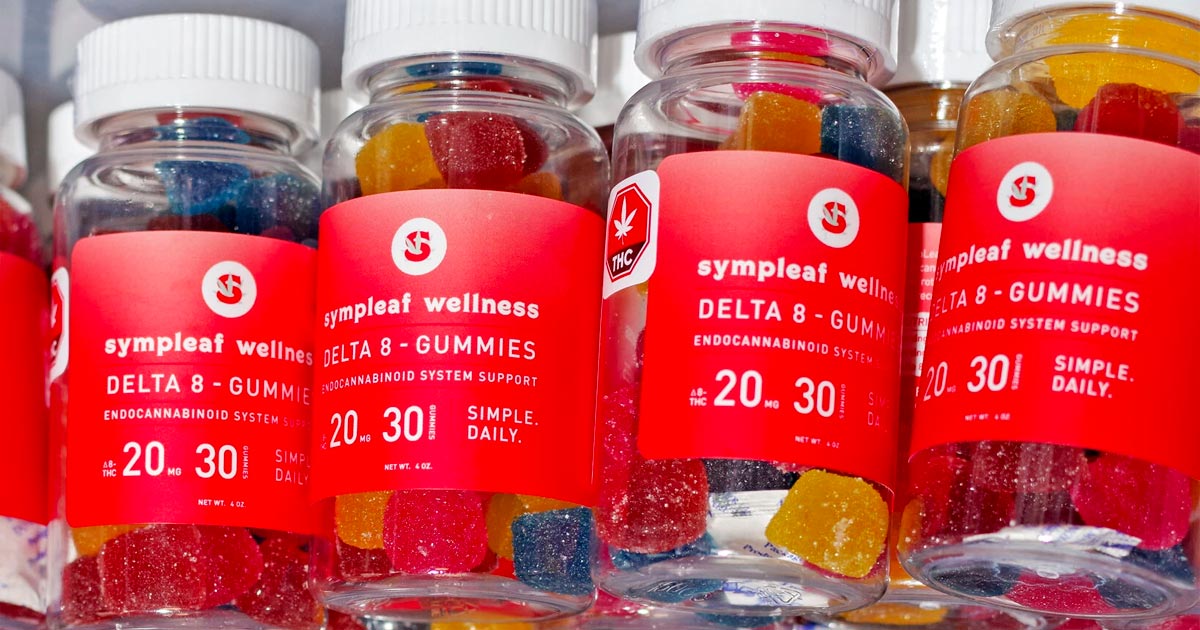
Stuck between the CBD and THC, a minor cannabinoid, is all the rage in the United States, particularly in states where cannabis has not yet been legalized. Delta-8-THC, an analog of delta-9-THC—more commonly known as THC—is taking advantage of a legal loophole created by the Farm Bill 2018 which legalized hemp at the federal level in the United States and has been a key factor in the CBD boom we see there today.
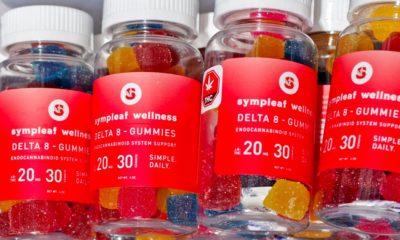
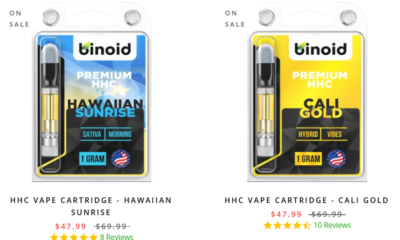
The law thus specifically authorizes the sale of hemp byproducts, the only exception being delta-9-THC in concentrations exceeding 0.31%, which is the threshold at which the plant is considered legal and distinguishes it from «marijuana.» Since the legislation makes no mention of delta-8, entrepreneurs have taken the plunge and begun extracting and packaging it as a legal edible and smokable alternative, in candies, in vape pen but also in hemp flowers infused with delta-8-THC.
An Overview of Delta-8-THC
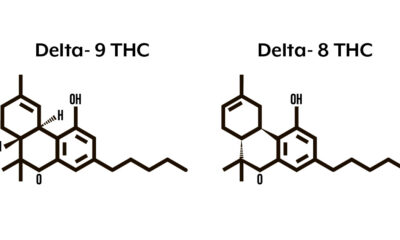
Delta-8 THC is one of the four cannabinoids the most commonly produced by the cannabis plant, but only in very small quantities. As an analogue of THC, delta-8 THC has been shown to produce an effect similar to that of delta-9-THC. It has a lower psychoactive potency, but like other cannabinoids, it has been shown to have promising therapeutic potential.
Unlike CBD, delta-8 has psychoactive effects. Studies on the compound indicate that delta-8 helps relieve pain, anxiety, and stress, as well as nausea, low libido, and even hangover symptoms.
Delta-8 is less psychoactive than traditional THC, and the duration of its effects varies from person to person. The effects are milder than those of THC but last just as long. Thus, the effects of vaporized delta-8-THC will be shorter-lived than those of ingested delta-8-THC.
Is delta-8-THC legal?
If the Farm Bill Although it does not specifically restrict delta-8-THC, the FDA prohibits the sale of synthetic cannabinoids. And that is what could put a damper on the delta-8 business. Since it occurs in too small a quantity in hemp, it is often obtained through the isomerization of CBD. This gray market is therefore developing on the fringes of U.S. regulations.
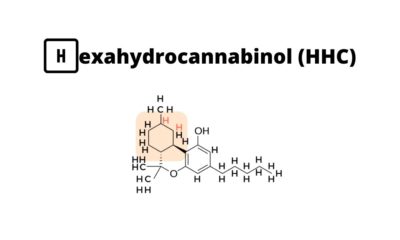
In France, the Delta-9-THC is legal according to the Public Health Code. Article R5132-86 thus exempts «delta-9-tetrahydrocannabinol, its esters, ethers, salts, as well as the salts of the aforementioned derivatives and products containing them» from the broader ban on cannabis. Since delta-8-THC is merely an isomer of THC—that is, a molecule with a similar composition but a different molecular arrangement—it would seem risky to legally offer it for sale in France.

























CBD: Full-Spectrum Extracts Under Threat in Greece

Medical Cannabis and Back Pain: Opioid Use Has Dropped by 90 % in 10 Years

Cannabis: Wisconsin Could Finally Legalize It in 2027

Argentina Opens Its Market to Hemp Flowers Containing 1% of THC

The French Socialist Party still doesn't know how to approach the legalization of cannabis

Science in the City International: Paris at the Heart of Transatlantic Scientific and Medical Dialogue

Christine Fréchette is alienating Quebec’s cannabis industry

Rima Hassan: When «Drugs» Become a Political Weapon

From Marathons to Ultratrails: How Extreme Running Affects the Endocannabinoid System

Four days of THC may make breast cancer less aggressive, according to a new study
-
 Cannabis and driving2 weeks ago
Cannabis and CBD: French Drivers Can Now Lose Their License Even Without a Positive Test Result
-
Cannabis in France2 weeks ago
Cannabis Legalization: The LFI Bill Has a Major Problem—THC
-

 Cannabis in the Netherlands7 days ago
One year after the launch of the Dutch cannabis experiment, the first trends are emerging
-
Cannabis in France1 week ago
French medical cannabis remains stalled at the Ministry of Health
-
Business1 week ago
The United Kingdom Is Moving Closer to a Regulated CBD Market
-
Cannabis in Argentina4 days ago
Argentina Opens Its Market to Hemp Flowers Containing 1% of THC
-
Cannabis in Europe3 weeks ago
Andorra Paves the Way for Medical Cannabis Cultivation
-
Cannabis in France5 days ago
Rima Hassan: When «Drugs» Become a Political Weapon










You must be logged in to post a comment Login