Spain: Medical Cannabis Is Coming to About 50 Hospitals

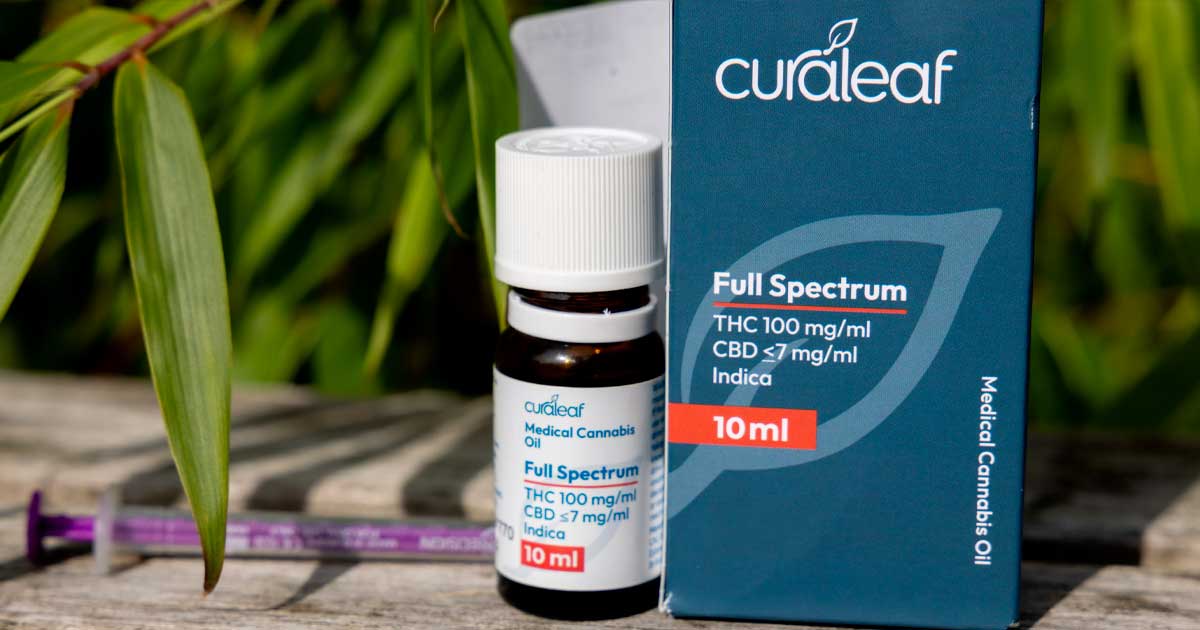
One year later the adoption of its regulatory framework, about 50 public and private hospitals in Spain are expected to be able to obtain standardized cannabis-based medications.
After years of debate and regulatory delays, medical cannabis is finally beginning to find its place in the Spanish healthcare system. The country is gradually moving from legislation to its practical implementation, with the introduction of preparations whose composition is precisely defined, subject to quality controls, and intended exclusively for hospital use.
According to EL PAÍS, the company Curaleaf plans to begin distributing its standardized cannabis products during the week of October 19, 2026, in about 50 public and private hospitals across the country.
Last July, the group announced that it had filed two products with the’Spanish Agency for Medicines and Health Products (AEMPS), through its Spanish subsidiary, Medalchemy.
However, this development does not mean that medical cannabis is now available to all patients. Spain has chose a model with a particularly defined frame, limited to hospital settings and intended for people with specific medical conditions, when conventional treatments have proven insufficient or inappropriate.
Another key feature: patients will not receive cannabis flowers or raw extracts. Hospital pharmacies will be responsible for preparing customized oral solutions containing specific concentrations of THC and CBD, tailored to each patient's needs.
From the decree to the first regulations: How will medical cannabis work in Spain?
The royal decree 903/2025, adopted in October 2025, laid the groundwork for the medical use of standardized cannabis-based preparations in Spain. A year later, the publication of a specific monograph in the National Formulary, combined with the recording of the first samples, now makes it possible to consider their actual use in hospitals.
The patient’s treatment process will consist of several steps. A specialist must first assess the patient’s clinical condition and determine whether cannabis-based treatment is warranted. If the criteria are met, the specialist may prescribe a compounded medication specifying, in particular, the composition and concentrations of cannabinoids.
The hospital pharmacy will then prepare the medication based on the recorded information, before dispensing it to the patient in accordance with regulatory requirements.
The goal is to replace products of uncertain composition with standardized pharmaceutical preparations that have known levels of THC and CBD, and that meet quality and traceability requirements.
In July 2026, Curaleaf thus announced the registration of two standardized formulations with the AEMPS. Named CAN-1 and CAN-2, they differ in their cannabinoid profiles: one is composed mainly of THC, while the other is predominantly CBD. According to the company, these were the first products registered under the new Spanish regulations.
These extracts will not be administered directly to patients. They will serve as raw materials for hospital pharmacies, which will prepare oral solutions with concentrations and dosages tailored to each prescription.
This approach should allow for better control of the doses administered, ensure a certain degree of consistency among preparations, and facilitate medical monitoring.
However, the registration of these products does not constitute a general authorization for the use of cannabis for therapeutic purposes. Nor does it mean that its effectiveness has been established for all conditions.
Four medical indications and strict eligibility requirements
The Spanish system is currently based on for four therapeutic indications :
- Spasticity Associated with Multiple Sclerosis
- Certain severe forms of refractory epilepsy
- Nausea and vomiting caused by chemotherapy
- Refractory Chronic Pain
In each of these cases, Cannabis-based preparations are considered a last-resort treatment option. They may be prescribed when approved medications have not provided sufficient benefit, have caused unacceptable side effects, or when no suitable alternative is available.
Prescriptions will be limited exclusively to medical specialists practicing in a hospital setting. Each decision must be based on an individual assessment, documented in the patient’s medical record, taking into account the patient’s prior treatments, the expected benefits, and the potential risks.
The regulations also stipulate several specific precautions. For children and adolescents, CBD-dominant formulations are preferred, given the potential effects of THC on neurocognitive development.
These treatments are also contraindicated during the Pregnancy and Breastfeeding, as well as in individuals with certain psychiatric histories, including a personal or family history of schizophrenia or other psychotic disorders.
Delivery exclusively in a hospital setting
As the EL PAÍS, the medications will be dispensed only by hospital pharmacies. They will therefore not be available at community pharmacies, unlike the situation in some other European countries. The decree nevertheless allows some flexibility for Spain’s autonomous communities, which may organize remote prescription services for certain patients. These arrangements may apply in particular to individuals who are dependent, vulnerable, at particular risk, or living far from a hospital.
Beyond the actual dispensing of the medication, medical follow-up will be a central component of the program. While cannabinoids offer therapeutic benefits in certain situations, the scientific evidence varies depending on the condition, the formulation, and the patient’s profile. Doctors will therefore need to regularly reassess the effectiveness of treatments, their tolerability, and whether continuing them is appropriate.
The training of healthcare professionals will also be a major challenge. The availability of standardized formulations is not enough: medical teams will need to be able to identify patients who are likely to benefit from them, adjust the doses, and document the clinical outcomes.
Funding, availability: the questions that remain unanswered
While the regulatory framework is now in place, several uncertainties remain regarding its implementation on the ground. The first concerns the treatment funding. According to information provided by Curaleaf representatives, the medications could be funded through public hospital budgets. However, the decree does not provide for a specific, uniform reimbursement mechanism applicable to all facilities.
In the private sector, financing arrangements will depend on the specific conditions of each facility and the patient's circumstances. It therefore remains to be seen whether these measures will provide effective access to treatment for all individuals who meet the medical criteria.
The issue of availability also arises. Curaleaf initially plans to supply about 50 public and private hospitals. Rollout to the rest of the country is then expected to take place gradually, based on the needs expressed by the facilities and their logistical arrangements. According to EL PAÍS, the AEMPS has already informed hospitals that no additional authorization is required to order registered medications.
However, this does not guarantee immediate availability at all facilities. Actual access to medical cannabis could therefore vary from one hospital to another, at least during the early stages of implementation.
A more restrictive model than in other European countries
With this regulation, Spain joins the ranks of European countries that have established legal access to medical cannabis, while taking a relatively cautious approach. In Germany, patients can access medical cannabis through a broader range of channels, including the possibility of obtaining it at local pharmacies.
The United Kingdom also imposes restrictions, particularly regarding prescriptions, which are limited to certain medical specialists.
Spain stands out for its decision to center the entire system around hospitals, from prescribing to preparing and dispensing treatments.
This model aims to strengthen medical and pharmaceutical oversight, but could also limit patients' access, particularly in regions where specialized hospital services are less developed.
A long-awaited step forward, though its impact remains to be seen
For patient advocacy groups that have been calling for legal access to medical cannabis for years, the arrival of these products represents a major change. The report by’EL PAÍS reflects these expectations, while also conveying the concerns of healthcare professionals who emphasize the need to strengthen scientific knowledge and the training of prescribers.
The establishment of a legal, regulated, and medically supervised program represents a significant step forward for people who, until now, did not have access to this treatment option in Spanish hospitals.
But several questions remain: How many patients will actually be able to benefit from these treatments? How quickly will hospitals be supplied with them? And will the funding arrangements ensure equitable access throughout the country? And how many patients will be able to benefit from them?
The coming months should provide some initial answers.






















Spain: Medical Cannabis Is Coming to About 50 Hospitals

JIHE 2026: Japan’s Largest Trade Show Dedicated to Hemp and CBD Returns to Tokyo with More Than 100 Industry Players

New Caledonia: The Courts Clear the Way for the Return of CBD

The Brazilian medical cannabis market continues to grow

Morocco: Three Cannabis-Based Medications Approved for the Treatment of Epilepsy

Canopy Growth Receives New EU-GMP Certification to Strengthen Its Presence in Europe

Three years after legalizing medical cannabis, Albania continues to establish regulations for it

The first plant-based medical THC spray arrives in the United Kingdom

Medical Cannabis in Germany: THC Prices Vary by a Factor of 12

France already has 3,000 cannabis retail outlets. None of them are legal.
-
 Business2 weeks ago
The legal cannabis market in New York exceeds 4 billion $ in revenue
-

 Cannabis in France4 weeks ago
Which countries legalized medical cannabis before France?
-
Business4 weeks ago
South Korea is preparing to begin local production of medical cannabis to meet rising demand
-
Cannabis in France5 days ago
France already has 3,000 cannabis retail outlets. None of them are legal.
-
Cannabis in Thailand4 weeks ago
From the boom in dispensaries to a purely medical approach: Thailand is revising its cannabis policy
-
Cannabis in the U.S.6 days ago
A DEA report confirms that there are no fatal cannabis overdoses
-
Cannabis and driving4 weeks ago
Medical Cannabis and Driving: New South Wales Ends Automatic Penalties for THC
-
Cannabis in France3 weeks ago
France’s Drug Policy Chief Defends Cannabis Prohibition... and Runs Into the Facts















You must be logged in to post a comment Login