The effects of recreational cannabis legalization on the medical cannabis market

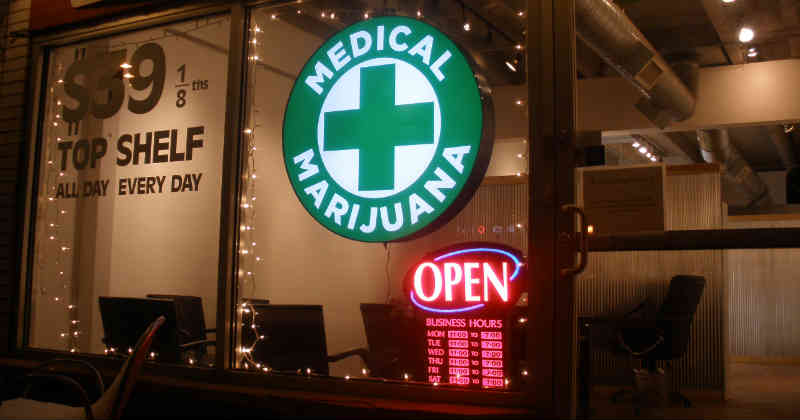
Recreational cannabis legalization is coming (almost) always follows that of medical cannabis, often a few years later. However, it has a disruptive effect on the medical cannabis market. Since the two markets serve entirely different purposes and operate in entirely different ways—yet both focus on the same product—their overlap creates problems, especially for patients.
A Shift from Medical to Recreational Use
The medical and recreational cannabis markets are aimed at different audiences and are governed by different regulations and taxes. However, the products are similar, and it is tempting for patients and retailers to switch between the two. From the patients’ perspective, the legalization of recreational cannabis allows them to obtain supplies at any time without having to see a doctor. From the retailers’ perspective, selling recreational cannabis is more profitable because market prices are higher.
Among the 10 U.S. states (soon to be 11) that have both medical and recreational cannabis markets; four of them have markets that are established enough to assess the effects of recreational cannabis legalization on the medical cannabis market. These are Oregon, Nevada, Colorado, and Alaska. An analysis of The Associated Press shows that in these four states, the number of medical cannabis patients dropped after recreational use was legalized: from approximately 66% in Oregon, 63% in Alaska, 40% in Nevada, and 19% in Colorado.
An unspecified portion of this shift stems from the fact that many medical cannabis «patients» were actually recreational users. In fact, some people sometimes claim to have pain or a headache in order to obtain a medical cannabis card and gain legal access to cannabis. According to the anti-legalization organization Smart Approaches to Marijuana, 80% for Americans applying for a card do not have cancer, Parkinson’s, or glaucoma—conditions for which the use of medical cannabis is scientifically proven, according to the association. In California, it was particularly easy to obtain a card before legalization; a simple video consultation with a doctor was sufficient, a practice sometimes facilitated by companies.
The problem is that, following this shift, market forces come into play and the specialized supply of medical cannabis is gradually disappearing. Patients are therefore left with fewer options and higher prices, since recreational cannabis is often taxed much more heavily than medical cannabis. In Oregon, for example, after losing nearly two-thirds of their patients, the number of medical cannabis dispensaries has dropped from 400 to just 2. Patients with specific needs—such as a particular strain, for example—are being left behind.
The unintended consequences of this transfer
With the closure of medical cannabis dispensaries, patients have begun to face supply issues. «Patients have needs. Consumers have desires,» explains Anthony Taylor, a member of the Oregon Cannabis Commission. «Patients are in crisis right now.» State lawmakers are working on a bill that would allow home delivery of medical cannabis to reach patients in rural areas.
Another unintended consequence of this market shift relates to prices. As Robin Beverett, a veteran with PTSD who moved from Texas to California to gain access to medical cannabis, explains, prices have risen significantly since recreational cannabis sales began in 2018: Before, 3.5 grams of dried flower cost 35$; now, she says, prices are around 100$. «It’s ridiculous. The prices are astronomical. Going to a dispensary is just out of the question if you’re on an average income.».
High taxes on recreational cannabis products make it more difficult for patients with regular cannabis needs to access the product. Oregon has enacted a law allowing patients to purchase medical cannabis at recreational cannabis stores without paying taxes. These stores are therefore permitted to sell medical cannabis, but it accounts for only 8.5% of their sales. In Canada, on the other hand, since legalization, medical cannabis is subject to the same excise tax as recreational cannabis and the shortages affecting the recreational market also affect patients who use cannabis for medical purposes.













«Vincy Gold»: Humboldt Seed Company on the Hunt for Saint Vincent Sativas

Cronos Completes the Acquisition of CanAdelaar for 57.5 million euros

Cannabis with a "bloody" twist: Discover Sensi True Blood and Sensi Sangria, the two new strains from Sensi Seeds

Hemp: The Council of the EU Takes a Stand on New Production and Marketing Rules

Missouri's legal cannabis market accounts for 93 % of consumer spending

THC Gummies: How to Read a Certificate of Analysis Before Buying

British patients now have access to THCV-rich cannabis flowers

Spain: Medical Cannabis Is Coming to About 50 Hospitals

JIHE 2026: Japan’s Largest Trade Show Dedicated to Hemp and CBD Returns to Tokyo with More Than 100 Industry Players

New Caledonia: The Courts Clear the Way for the Return of CBD
-
 Business3 weeks ago
The legal cannabis market in New York exceeds 4 billion $ in revenue
-

 Cannabis in France4 weeks ago
Which countries legalized medical cannabis before France?
-
Cannabis in France1 week ago
France already has 3,000 cannabis retail outlets. None of them are legal.
-
Business4 weeks ago
South Korea is preparing to begin local production of medical cannabis to meet rising demand
-
Cannabis in the U.S.1 week ago
A DEA report confirms that there are no fatal cannabis overdoses
-
Cannabis in Thailand4 weeks ago
From the boom in dispensaries to a purely medical approach: Thailand is revising its cannabis policy
-
Cannabis and driving4 weeks ago
Medical Cannabis and Driving: New South Wales Ends Automatic Penalties for THC
-
Cannabis in France3 weeks ago
France’s Drug Policy Chief Defends Cannabis Prohibition... and Runs Into the Facts
















You must be logged in to post a comment Login