DEA increases psychedelic production quotas for 2026

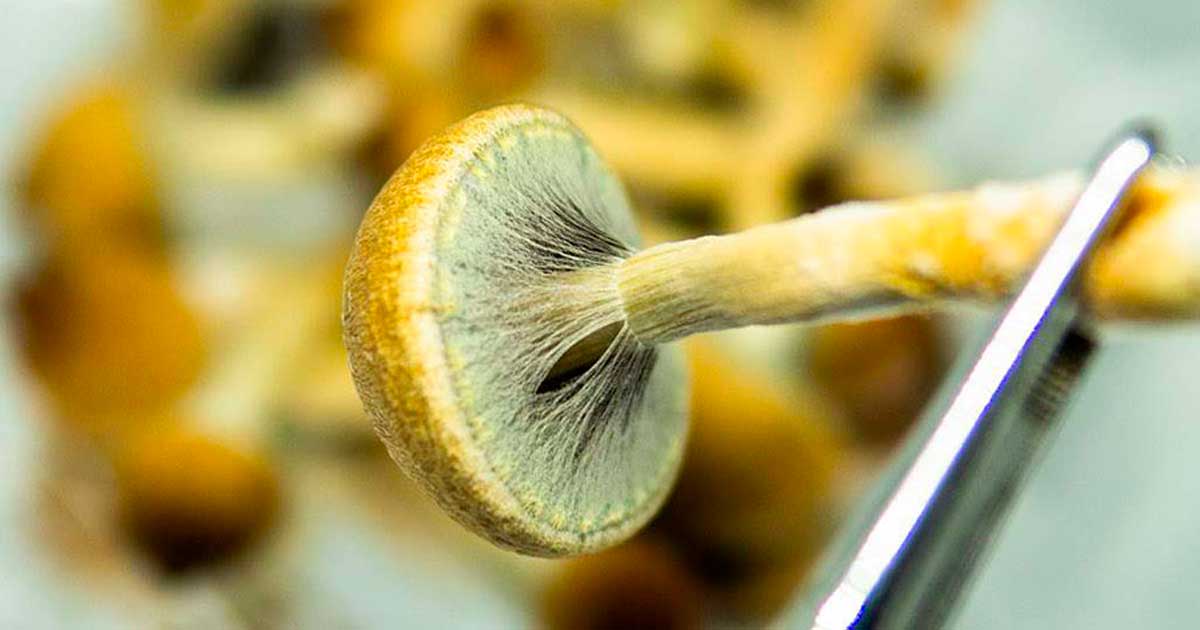
The Drug Enforcement Administration (DEA) has finalized its production quotas for 2026 for controlled substances, confirming a significant increase in the legal manufacture of several psychedelic compounds used exclusively for research purposes.
This decision, published in the Federal Register in early January, reflects the growing scientific interest in the therapeutic potential of substances such as the psilocybin, psilocin and the DMT.
Psilocybin and psilocin on the rise
Among the most notable changes, the quota of psilocybin has been increased to 50,000 grams by 2026, 40,000 grams in the initial proposal and 30,000 grams the previous year.
The increase is even more pronounced for the psilocin, the active metabolite of psilocybin. The DEA has set a quota of 80,000 grams for 2026, 48,000 grams in the draft regulation and 36,000 grams in 2025. In just one year, authorized production has more than doubled.
In its initial proposal, the agency explained that it was increasing quotas to allow researchers to study whether psychedelics could be used as a «potential treatment for disorders such as post-traumatic stress disorder (PTSD), and depression ».
For the DMT (dimethyltryptamine), DEA has set a quota of 25,000 grams for 2026, This represents an increase on the previous year's 20,000 grams. Unlike psilocybin and psilocin, the DMT quota remained unchanged in the initial 2026 proposal before being revised upwards in the final rule.
Other psychedelics continue their long-term growth trend
Several other substances have seen substantial increases over historical levels, even though their quotas have not been revised in the final rule.
The DEA has maintained its plan to authorize 30,000 grams of methylone in 2026. Just four years ago, the agency was proposing a production quota of just 40 grams for this MDMA-like compound. This figure rose steadily to 5,200 grams a year, and then to 30,000 grams, underlining changing research priorities.
Similarly, the 5-MeO-DMT will be authorized up to 30,000 grams in 2026, 11,000 grams in 2025. In 2021, the authorized production level was just 35 grams, illustrating the scale of the change in a short space of time.
Stable quotas for other controlled substances
Not all substances have been reviewed. DEA has confirmed that the proposed 2026 quotas for THC, theibogaine, MDMA, the LSD, mescaline and research materials derived from cannabis remain unchanged from last year.
Overall, the final quotas reflect a cautious but consistent shift in the administration of U.S. drug policy. While these substances remain strictly regulated, the federal government is increasingly taking into account the needs of academic and medical research, while the’interest in psychedelic science continues to grow.



















JIHE 2026: Japan’s Largest Trade Show Dedicated to Hemp and CBD Returns to Tokyo with More Than 100 Industry Players
New Caledonia: The Courts Clear the Way for the Return of CBD

The Brazilian medical cannabis market continues to grow

Morocco: Three Cannabis-Based Medications Approved for the Treatment of Epilepsy

Canopy Growth Receives New EU-GMP Certification to Strengthen Its Presence in Europe

Three years after legalizing medical cannabis, Albania continues to establish regulations for it

The first plant-based medical THC spray arrives in the United Kingdom

Medical Cannabis in Germany: THC Prices Vary by a Factor of 12

France already has 3,000 cannabis retail outlets. None of them are legal.

Morocco's exports of legal cannabis have expanded to 15 countries
-
 Business2 weeks ago
The legal cannabis market in New York exceeds 4 billion $ in revenue
-

 Cannabis in France4 weeks ago
Which countries legalized medical cannabis before France?
-
Business4 weeks ago
South Korea is preparing to begin local production of medical cannabis to meet rising demand
-
Cannabis in France4 days ago
France already has 3,000 cannabis retail outlets. None of them are legal.
-
Cannabis in Thailand4 weeks ago
From the boom in dispensaries to a purely medical approach: Thailand is revising its cannabis policy
-
Cannabis in the U.S.5 days ago
A DEA report confirms that there are no fatal cannabis overdoses
-
Cannabis and driving3 weeks ago
Medical Cannabis and Driving: New South Wales Ends Automatic Penalties for THC
-
Cannabis in France3 weeks ago
France’s Drug Policy Chief Defends Cannabis Prohibition... and Runs Into the Facts

















cbdtech
January 8, 2026 at 20 h 24 min
This is a strong signal from the United States. By almost doubling psilocin quotas and significantly increasing those for psilocybin and DMT by 2026, the DEA is implicitly acknowledging that the future of mental health will involve these molecules.
At CBDTech, we're watching this ‘psychedelic renaissance’ with great attention. What's happening today with medical research into PTSD or severe depression is following a similar trajectory to that of CBD a few years ago: a transition from stigma to rigorous scientific validation.
Massive increases in production quotas are the missing link in the transition from niche studies to large-scale clinical trials. If the United States leads the way with such determination, it is bound to influence European and French regulators in the years to come. Science is advancing, and that's excellent news for patients in therapeutic limbo! ✨