The UN's annual report on drugs shows that legalizing cannabis could reduce the illicit market

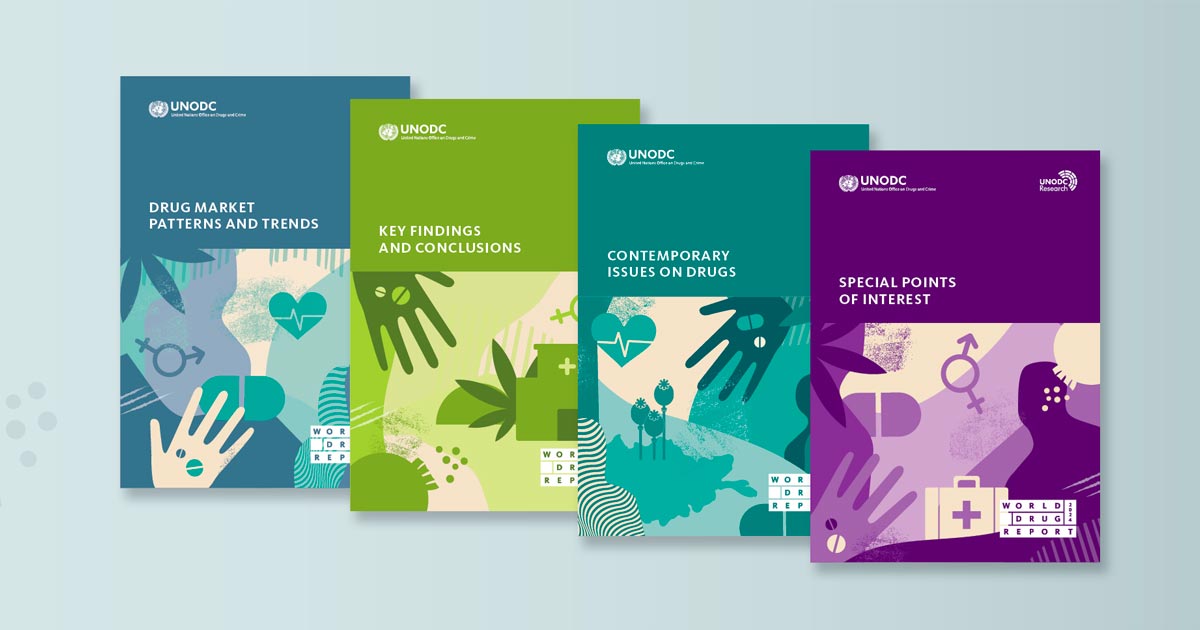
A recent report by the United Nations Office on Drugs and Crime (UNODC) has highlighted significant changes in global drug trends, highlighting the impact of cannabis legalization in North America and the renewed interest in psychedelics for therapeutic purposes.
The World Drug Report 2024 provides a comprehensive overview of how these developments are influencing illegal markets, arrest rates and health outcomes, while also exploring broader patterns of global drug use and the changing drug policy landscape.
Impact of cannabis legalization
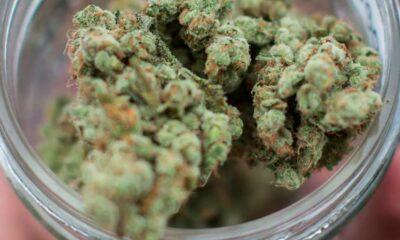
The UNODC report stresses that legalization of cannabis in the United States and in Canada has helped to reduce the size of illegal cannabis markets and to significantly reduce the number of cannabis-related arrests. According to the report, «in some jurisdictions, the size of the illegal cannabis market appears to be shrinking, and in the U.S., the number and rate of people arrested for cannabis-related offenses [appears] to be decreasing.».
Despite the positive effects on illegal markets and arrest rates, the report also highlights the persistence of racial disparities in cannabis-related arrests. Moreover, legalization has led to the emergence of new cannabis products such as vapes concentrates with high THC content and edibles, which raise concerns about young people's consumption and the effects on health.
The availability of these products after legalization may have increased the harmful effects of cannabis on health, particularly among adolescents. The report notes an increase in cannabis-related hospitalizations, including cases of psychosis and withdrawal, which disproportionately affect young adults.
The psychedelic renaissance
A significant part of the report is devoted to the so-called« psychedelic renaissance« . The UNODC notes a renewed interest in the therapeutic potential of various psychedelic substances in the treatment of mental disorders. This interest has given rise to numerous clinical trials and led to policy changes authorizing the quasi-therapeutic use of psychedelics in some jurisdictions of the United States, as well as medical use in Australia and Canada.
The report stresses that the movement in favour of legalization of psychedelics is driven more by the desire for unsupervised therapeutic use in the fields of mental health, mindfulness, spirituality and general well-being. This trend represents a shift from traditional use by indigenous communities to a burgeoning commercial interest in psychedelics.
Drug use and treatment gaps worldwide
Worldwide, cannabis remains the most popular the most commonly used drug, with some 228 million users, or almost 4% of the world's population. In North America, nearly one in five people aged 15-64 used cannabis in 2022. The report also points out that regulatory approaches to medical cannabis vary from country to country, and that evidence of efficacy for certain conditions is limited.
The UNODC report notes that new ways of administering drugs are having a negative impact on young people, with an increase in the regular use of vaping cannabis among teenagers in North America. The report also notes that harmful cannabis use among adolescents remains a concern in many regions.
One of the most pressing issues highlighted in the report is the widening gap between the number of people suffering from substance use disorders and those receiving treatment. In 2022, only one in eleven people suffering from substance use disorders received treatment worldwide, down from 2015. Treatment gaps are widest in Africa and Asia, with lower coverage among women in all regions.
The war on drugs and human rights
The UNODC report comes in the wake of growing calls for an end to the global war on drugs. A recent UN document focusing on human rights urges member states to abandon punitive drug policies in favor of harm reduction strategies such as decriminalization, supervised consumption sites, drug monitoring and the availability of overdose-reversing drugs like naloxone.
Tlaleng Mofokeng, UN Special Rapporteur on the Right to Health, stressed the need to shift from criminal law to a human rights-based, evidence-based and compassionate approach to drug use and drug use disorders. Amnesty International has also argued for the legalization of all drugs, believing that a health and harm reduction approach to regulation is needed.
Environmental and social impacts
The global war on drugs has not only undermined human rights, it has also contributed to the destruction of critical ecosystems. An international coalition of advocacy groups has reported that the drug prohibition was undermining the efforts to combat the climate crisis. In addition, the UN Special Rapporteurs have noted that the war on drugs has a disproportionate impact on marginalized groups, minorities and indigenous peoples, and is often linked to discrimination and poverty.





















«Vincy Gold»: Humboldt Seed Company on the Hunt for Saint Vincent Sativas

Cronos Completes the Acquisition of CanAdelaar for 57.5 million euros

Cannabis with a "bloody" twist: Discover Sensi True Blood and Sensi Sangria, the two new strains from Sensi Seeds

Hemp: The Council of the EU Takes a Stand on New Production and Marketing Rules

Missouri's legal cannabis market accounts for 93 % of consumer spending

THC Gummies: How to Read a Certificate of Analysis Before Buying

British patients now have access to THCV-rich cannabis flowers

Spain: Medical Cannabis Is Coming to About 50 Hospitals

JIHE 2026: Japan’s Largest Trade Show Dedicated to Hemp and CBD Returns to Tokyo with More Than 100 Industry Players

New Caledonia: The Courts Clear the Way for the Return of CBD
-
 Business3 weeks ago
The legal cannabis market in New York exceeds 4 billion $ in revenue
-

 Cannabis in France4 weeks ago
Which countries legalized medical cannabis before France?
-
Cannabis in France1 week ago
France already has 3,000 cannabis retail outlets. None of them are legal.
-
Business4 weeks ago
South Korea is preparing to begin local production of medical cannabis to meet rising demand
-
Cannabis in the U.S.1 week ago
A DEA report confirms that there are no fatal cannabis overdoses
-
Cannabis in Thailand4 weeks ago
From the boom in dispensaries to a purely medical approach: Thailand is revising its cannabis policy
-
Cannabis and driving4 weeks ago
Medical Cannabis and Driving: New South Wales Ends Automatic Penalties for THC
-
Cannabis in France3 weeks ago
France’s Drug Policy Chief Defends Cannabis Prohibition... and Runs Into the Facts
















Christophe perrier
July 4, 2024 at 8 h 43 min
It's like alcohol, the day they decided to legalize it the traffic died out, the trick is to find the countries that take... Christophe the possession of the medelin cartel.